

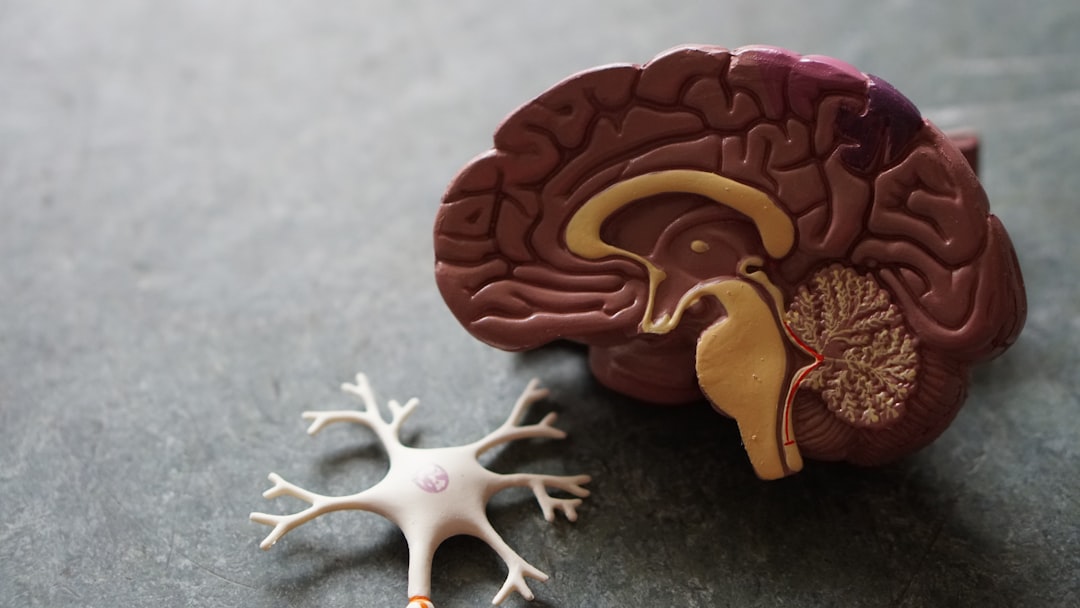
Overfunctioning in the nervous system can feel like a constant state of alertness, where your body is always ready to respond to perceived threats. This heightened state of awareness can be exhausting, leaving you feeling drained and overwhelmed. When your nervous system is overactive, it often means that you are stuck in a cycle of hyper-vigilance, where your body is continuously scanning for danger. This response is deeply rooted in our biology, a remnant of our ancestors who needed to be alert to survive in a world filled with potential threats. However, in today’s world, this instinct can lead to chronic stress and emotional fatigue.
Understanding this overfunctioning is the first step toward healing. It’s essential to recognize that your body is not just reacting randomly; it is responding to past experiences, particularly those that may have been traumatic or overwhelming. When you find yourself overfunctioning, it’s a signal from your body that something needs attention. This awareness can be a powerful tool for self-compassion, allowing you to approach your feelings with gentleness rather than judgment. By tuning into your body’s signals, you can begin to create a more balanced relationship with your nervous system.
In exploring the complexities of how the nervous system can become stuck in “Go Mode,” it’s essential to consider the broader implications of stress and behavior modeling in parenting. An insightful article that delves into this topic is “Modeling Behaviors for Your Child,” which discusses how parents can influence their children’s emotional and behavioral responses through their own actions. You can read more about this important connection in the article here: Modeling Behaviors for Your Child.
The Impact of Trauma Speed on the Nervous System
Trauma speed refers to the pace at which traumatic experiences affect your nervous system. When trauma occurs, it can disrupt the natural rhythm of your body’s responses, leading to a state of disarray. This disruption can manifest as an inability to relax or a constant feeling of being on edge. The faster the trauma impacts your system, the more challenging it can be to process and integrate those experiences. You may find yourself feeling overwhelmed by emotions or sensations that seem to come out of nowhere, leaving you confused and exhausted.
Recognizing the impact of trauma speed is crucial for your healing journey. It allows you to understand that your reactions are not merely personal failings but rather responses shaped by your experiences. By acknowledging this, you can begin to cultivate patience and compassion for yourself. It’s important to remember that healing is not linear; it takes time and requires gentle navigation through the complexities of your emotional landscape. Allowing yourself the space to feel and process these emotions can help slow down the trauma speed, creating a more manageable pace for healing.
Recognizing the Signs of Body Burnout

Body burnout often manifests as physical and emotional exhaustion, leaving you feeling depleted and disconnected from yourself. You might notice persistent fatigue, irritability, or a sense of numbness that seems to envelop your daily life. These signs are your body’s way of communicating that it has been under too much stress for too long. It’s essential to listen to these signals rather than dismiss them as mere fatigue or stress from daily life.
In addition to physical symptoms, emotional signs of burnout can include feelings of hopelessness or a lack of motivation. You may find it challenging to engage in activities that once brought you joy or fulfillment. Recognizing these signs is an act of self-care; it allows you to take a step back and assess what your body truly needs. By tuning into these signals, you can begin to prioritize rest and recovery, creating space for healing and rejuvenation.
How Chronic Stress Can Keep the Nervous System in “Go Mode”

Chronic stress acts like a switch that keeps your nervous system in “go mode,” preventing it from returning to a state of calm and balance. When you are constantly under stress, whether from work, relationships, or other life demands, your body remains in a heightened state of alertness. This ongoing activation can lead to a range of physical and emotional issues, including anxiety, insomnia, and digestive problems. Your body becomes accustomed to this state, making it increasingly difficult to relax or feel safe.
Understanding how chronic stress affects your nervous system is vital for reclaiming your sense of peace. It’s important to recognize that this “go mode” is not sustainable; eventually, it will take a toll on your overall well-being. By acknowledging the impact of chronic stress on your body, you can begin to implement small changes that promote relaxation and grounding. Simple practices such as deep breathing or mindful movement can help signal to your nervous system that it is safe to slow down.
In exploring the complexities of the nervous system and its tendency to remain in “Go Mode,” it can be beneficial to consider related therapeutic approaches that address these challenges. One such method is ketamine-assisted psychotherapy, which has shown promise in helping individuals reset their nervous systems and find balance. For more information on this innovative treatment, you can read about it in this insightful article on ketamine-assisted psychotherapy. This approach may offer new avenues for those struggling with the effects of a hyperactive nervous system.
The Role of the Sympathetic Nervous System in Overactivity
| Metric | Description | Typical Range | When Nervous System is Stuck in “Go Mode” |
|---|---|---|---|
| Heart Rate (bpm) | Number of heartbeats per minute | 60-100 bpm (resting) | Elevated, often above 100 bpm even at rest |
| Respiratory Rate (breaths/min) | Number of breaths taken per minute | 12-20 breaths/min (resting) | Increased, rapid shallow breathing |
| Blood Pressure (mmHg) | Force of blood against artery walls | 120/80 mmHg (normal) | Elevated systolic and/or diastolic pressure |
| Adrenaline Levels | Concentration of adrenaline hormone in blood | Low to moderate at rest | High, causing heightened alertness and stress response |
| Muscle Tension | Degree of muscle tightness | Relaxed to moderate | Increased, often leading to stiffness or pain |
| Sleep Quality | Restorative nature of sleep | Good, uninterrupted sleep | Poor, difficulty falling or staying asleep |
| Cortisol Levels | Stress hormone concentration | Varies with circadian rhythm, low at night | Elevated throughout the day, disrupting balance |
| Focus and Concentration | Ability to maintain attention | Normal to high | Impaired due to hyperarousal or anxiety |
The sympathetic nervous system plays a crucial role in our fight-or-flight response, preparing us to react quickly in times of danger. While this response is essential for survival, overactivity in this system can lead to chronic stress and anxiety. When your sympathetic nervous system is constantly activated, it can create a cycle of overfunctioning that feels impossible to break. You may find yourself reacting impulsively or feeling overwhelmed by situations that wouldn’t typically provoke such strong responses.
Understanding the role of the sympathetic nervous system in overactivity allows you to approach your experiences with greater awareness. It’s important to recognize that while this response is natural, it doesn’t have to dictate your life. By learning techniques to engage the parasympathetic nervous system—the part responsible for rest and relaxation—you can create a more balanced state within yourself. Gentle practices such as yoga, meditation, or simply spending time in nature can help activate this calming response, allowing you to find moments of peace amidst the chaos.
The Link Between Overfunctioning and Emotional Regulation
Overfunctioning often correlates with difficulties in emotional regulation; when your nervous system is in overdrive, it can be challenging to manage your emotions effectively. You may find yourself feeling overwhelmed by feelings that seem disproportionate to the situation at hand. This disconnect can lead to frustration and confusion as you navigate your emotional landscape. Understanding this link is essential for fostering resilience and emotional well-being.
By recognizing how overfunctioning impacts your emotional regulation, you can begin to develop strategies for managing your feelings more effectively. This might involve creating space for self-reflection or engaging in practices that promote emotional awareness. Journaling or talking with a trusted friend can help you process your emotions without judgment. As you cultivate this awareness, you’ll find it easier to respond thoughtfully rather than react impulsively, creating a sense of empowerment in your emotional journey.
Strategies for Regulating an Overactive Nervous System
Regulating an overactive nervous system requires intentional practices that promote grounding and relaxation. One effective strategy is incorporating breathwork into your daily routine. Simple techniques such as deep belly breathing can help signal safety to your nervous system, allowing it to shift from a state of hyper-arousal to one of calmness. As you breathe deeply, visualize inhaling peace and exhaling tension; this practice can create a profound sense of connection between your mind and body.
Another helpful strategy is engaging in mindful movement practices such as yoga or tai chi. These activities encourage you to tune into your body’s sensations while promoting relaxation and balance. As you move mindfully, focus on how each movement feels within your body; this awareness can help anchor you in the present moment and reduce feelings of overwhelm. Remember that these practices don’t need to be lengthy or complicated; even a few minutes each day can make a significant difference in regulating your nervous system.
The Importance of Rest and Recovery in Managing Nervous System Overactivity
Rest and recovery are essential components of managing nervous system overactivity. In our fast-paced world, it’s easy to overlook the importance of taking time for yourself; however, prioritizing rest is crucial for restoring balance within your body and mind. When you allow yourself moments of stillness, you create space for healing and rejuvenation. This might involve setting aside time each day for quiet reflection or engaging in activities that bring you joy without pressure.
Creating a restorative environment can also enhance your recovery process. Consider establishing a calming space in your home where you can unwind—this could be as simple as lighting a candle or playing soft music while you relax. Surrounding yourself with soothing elements helps signal safety to your nervous system, allowing it to shift into a more relaxed state. Remember that rest isn’t just about physical relaxation; it also encompasses emotional and mental rejuvenation.
Addressing Trauma and Its Impact on Nervous System Functioning
Addressing trauma is an integral part of understanding how it impacts your nervous system functioning. Trauma can leave lasting imprints on both your body and mind, influencing how you respond to stressors in everyday life. Acknowledging these experiences is essential for healing; it allows you to process emotions that may have been suppressed or ignored for too long. This journey may involve seeking support from trusted friends or professionals who understand the complexities of trauma.
As you begin to address trauma, consider incorporating somatic practices into your healing journey. Somatic therapy focuses on connecting the mind and body, helping you release stored tension and emotions related to past experiences. Techniques such as body scans or gentle movement can facilitate this connection, allowing you to process trauma at a deeper level. Remember that healing takes time; be gentle with yourself as you navigate this path toward greater understanding and integration.
The Connection Between Chronic Illness and Nervous System Overactivity
Chronic illness often intertwines with nervous system overactivity, creating a complex web of challenges that can feel overwhelming at times. When your nervous system is consistently activated due to stress or trauma, it can exacerbate physical symptoms associated with chronic conditions such as fatigue or pain. Understanding this connection empowers you to take proactive steps toward managing both your physical health and emotional well-being.
Recognizing the interplay between chronic illness and nervous system functioning allows you to approach healing holistically. Consider integrating practices that support both aspects of your health—this might include gentle movement tailored to your abilities or mindfulness techniques that promote relaxation amidst physical discomfort. By nurturing both your body and mind, you create a more balanced foundation for healing.
Seeking Professional Help for Nervous System Overactivity and Body Burnout
If you find yourself struggling with nervous system overactivity or body burnout despite implementing self-care strategies, seeking professional help can be an invaluable step on your healing journey. Therapists trained in somatic experiencing or trauma-informed care can provide guidance tailored specifically to your needs. They offer tools and techniques designed to help regulate your nervous system while addressing underlying trauma.
Remember that seeking help is not a sign of weakness but rather an act of courage and self-compassion. You deserve support as you navigate these challenges; professionals can offer insights and strategies that may not be accessible through self-help alone. As you embark on this journey toward healing, trust that there are resources available to guide you toward greater balance and well-being.
In conclusion, understanding the intricacies of overfunctioning in the nervous system opens up pathways for healing and growth. By recognizing the signs of burnout, addressing trauma speed, and implementing strategies for regulation, you empower yourself on this journey toward emotional resilience and inner belonging. Remember that healing takes time; be gentle with yourself as you navigate this process with compassion and care.
FAQs
What does it mean when the nervous system is stuck in “go mode”?
When the nervous system is stuck in “go mode,” it means it remains in a heightened state of alertness or stress, often associated with the body’s fight-or-flight response. This can lead to prolonged feelings of anxiety, restlessness, and difficulty calming down.
What causes the nervous system to stay in this heightened state?
Chronic stress, trauma, anxiety disorders, and certain medical conditions can cause the nervous system to remain in “go mode.” This persistent activation can result from the body’s inability to properly regulate stress responses.
What are common symptoms of a nervous system stuck in “go mode”?
Symptoms may include increased heart rate, rapid breathing, muscle tension, irritability, difficulty concentrating, insomnia, and a constant feeling of being on edge or overwhelmed.
How can someone help their nervous system return to a balanced state?
Techniques such as deep breathing exercises, mindfulness meditation, regular physical activity, adequate sleep, and professional therapies like cognitive-behavioral therapy can help regulate the nervous system and reduce chronic stress.
When should someone seek professional help for nervous system dysregulation?
If symptoms of being stuck in “go mode” persist for an extended period, interfere with daily functioning, or cause significant distress, it is important to seek help from a healthcare professional or mental health specialist for proper assessment and treatment.