

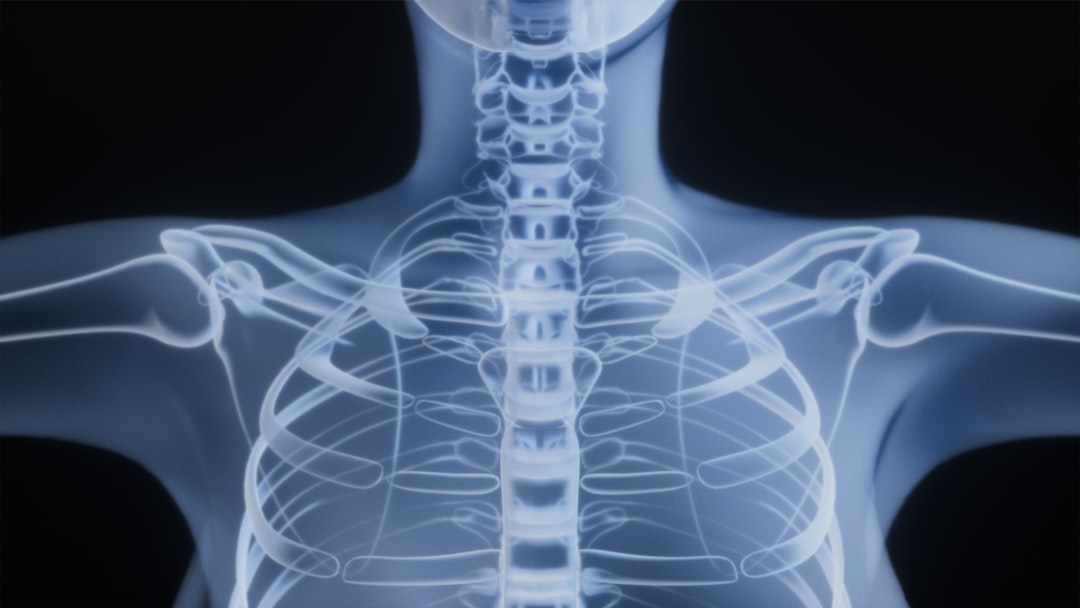
Trauma is a deeply personal experience, one that can leave lasting imprints on both our minds and bodies. It often arises from distressing events that overwhelm our ability to cope, whether they are acute incidents like accidents or chronic experiences such as ongoing emotional neglect. When we think about trauma, we might first consider its psychological effects—anxiety, depression, or flashbacks. However, it’s essential to recognize that trauma also manifests physically. You may find yourself feeling tense, fatigued, or even experiencing unexplained aches and pains. This is your body’s way of communicating that something is amiss.
The impact of trauma on the body can be profound. It can disrupt your sense of safety and belonging, leading to a disconnection from your physical self. You might notice that you hold your breath more often or that your muscles feel tight and constricted. These physical sensations are not just random; they are your body’s response to the stress and fear associated with traumatic experiences. Understanding this connection is the first step toward healing. By acknowledging how trauma affects you physically, you can begin to cultivate a deeper awareness of your body and its needs.
The Science Behind How Trauma Lives in the Body
To grasp how trauma resides in the body, it’s helpful to explore the science behind it. When you experience a traumatic event, your brain activates the fight-or-flight response, a survival mechanism designed to protect you from danger. This response triggers a cascade of physiological changes: your heart rate increases, your muscles tense, and your breath quickens. While these reactions are vital for immediate survival, they can become problematic when they persist long after the threat has passed.
Research shows that trauma can lead to dysregulation in the autonomic nervous system (ANS), which governs involuntary bodily functions such as heart rate and digestion. When the ANS is out of balance, you may find yourself oscillating between hyperarousal—feeling anxious and on edge—and hypoarousal—feeling numb or disconnected. This dysregulation can create a cycle of stress that keeps you trapped in a state of overwhelm. By understanding this process, you can begin to recognize the signs of trauma in your own body and take steps toward restoring balance.
Exploring the Role of the Nervous System in Trauma

The nervous system plays a crucial role in how we experience and process trauma. It consists of two main branches: the sympathetic nervous system (SNS), which prepares the body for action, and the parasympathetic nervous system (PNS), which promotes relaxation and recovery. In moments of trauma, the SNS becomes activated, leading to heightened states of alertness and anxiety. If this activation is prolonged, it can lead to chronic stress and a host of physical symptoms.
You may notice that when you’re feeling overwhelmed or triggered, your body responds instinctively—your heart races, your palms sweat, and you may feel an urge to flee or fight. This is your SNS at work. Conversely, when you’re able to engage your PNS through practices like deep breathing or gentle movement, you can begin to shift out of that heightened state. Understanding this dynamic allows you to cultivate greater awareness of your body’s responses and develop strategies for self-regulation.
The Connection Between Trauma and Somatic Symptoms
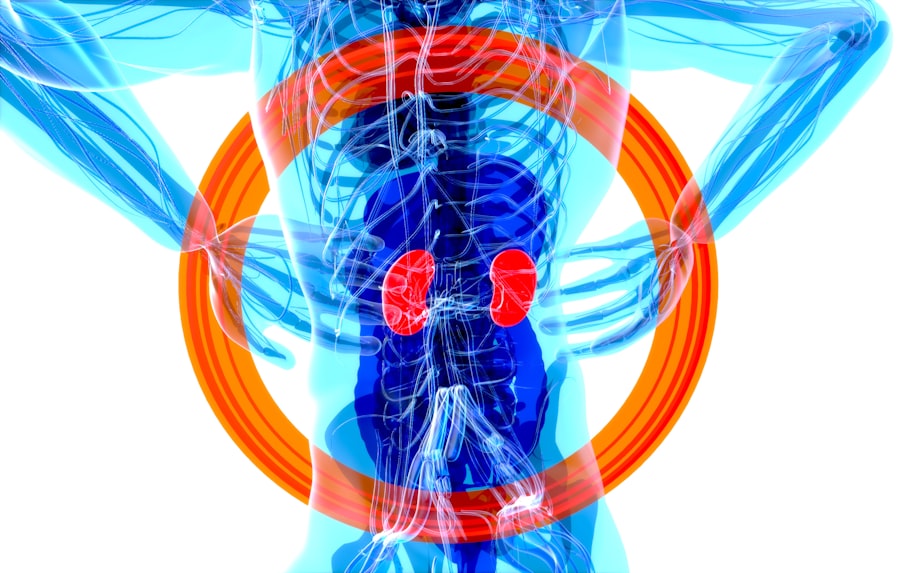
Trauma often manifests as somatic symptoms—physical sensations or discomfort that arise without a clear medical cause. You might experience headaches, digestive issues, or chronic pain that seem disconnected from any specific injury or illness. These symptoms are not merely psychological; they are your body’s way of expressing unresolved trauma. When emotions are not fully processed or expressed, they can become trapped in the body, leading to tension and discomfort.
Recognizing this connection between trauma and somatic symptoms is an important step in your healing journey. It invites you to listen to your body with compassion and curiosity rather than judgment. Instead of dismissing these sensations as mere inconveniences, consider them as messages from your body seeking acknowledgment and understanding. By tuning into these signals, you can begin to unravel the layers of trauma stored within you and create space for healing.
How Somatic Therapy Can Help Heal Trauma in the Body
| Category | Data/Metrics |
|---|---|
| Heart Rate | Increased heart rate during traumatic events |
| Blood Pressure | Elevated blood pressure in response to trauma |
| Stress Hormones | Higher levels of cortisol and adrenaline |
| Immune System | Impact on immune system function and inflammation |
| Brain Activity | Changes in brain activity and neural pathways |
Somatic therapy offers a gentle yet powerful approach to healing trauma by focusing on the body’s wisdom. Unlike traditional talk therapy, which primarily addresses cognitive processes, somatic therapy emphasizes the importance of bodily sensations and experiences. This approach recognizes that healing occurs not just in the mind but also in the body, allowing for a more holistic recovery process.
In somatic therapy, you are encouraged to connect with your physical sensations and emotions in a safe environment. This might involve exploring areas of tension or discomfort in your body and allowing yourself to feel whatever arises without judgment. By bringing awareness to these sensations, you can begin to release pent-up emotions and restore a sense of safety within yourself. Somatic therapy invites you to reclaim your body as a source of strength and resilience.
Techniques and Approaches Used in Somatic Therapy
Somatic therapy encompasses a variety of techniques designed to facilitate healing through the body. One common approach is body awareness exercises, which encourage you to tune into your physical sensations and emotions. You might practice grounding techniques that help you connect with the present moment, such as feeling your feet on the ground or noticing the rhythm of your breath.
Another effective technique is movement therapy, which allows for the expression of emotions through physical movement. This could involve gentle stretching, dance, or even simple gestures that help release tension stored in the body. Additionally, guided imagery and visualization can be powerful tools for accessing deeper layers of emotion and facilitating healing. Each of these techniques invites you to explore your body’s wisdom while fostering a sense of safety and connection.
The Importance of Mind-Body Integration in Trauma Healing
Mind-body integration is a fundamental aspect of trauma healing that emphasizes the interconnectedness of our thoughts, emotions, and physical sensations. When trauma occurs, it often creates a split between how we feel emotionally and how we experience our bodies physically. This disconnection can lead to feelings of isolation and confusion as you navigate your healing journey.
By fostering mind-body integration, you can cultivate a greater sense of wholeness and belonging within yourself. This process involves learning to listen to your body’s signals while also acknowledging your emotional landscape. Practices such as mindfulness meditation or yoga can be particularly helpful in bridging this gap, allowing you to cultivate awareness of both your thoughts and physical sensations simultaneously. As you develop this integration, you may find it easier to navigate difficult emotions and create a more compassionate relationship with yourself.
Addressing Trauma Through Somatic Experiencing
Somatic experiencing is a specific approach within somatic therapy that focuses on releasing trauma stored in the body through gentle awareness and movement. Developed by Dr. Peter Levine, this method emphasizes the importance of completing the natural responses that were interrupted during a traumatic event—such as fight or flight—allowing for a more complete processing of the experience.
In somatic experiencing sessions, you may be guided to explore sensations in your body while also paying attention to any emotions that arise. This process encourages you to gradually release tension without becoming overwhelmed by it. By allowing yourself to feel these sensations fully, you create space for healing and integration. Somatic experiencing invites you to reclaim your body’s natural ability to heal while fostering resilience in the face of future challenges.
The Role of Breathwork and Movement in Releasing Trauma from the Body
Breathwork and movement are powerful tools for releasing trauma from the body and promoting emotional regulation. Your breath serves as a bridge between your mind and body; it can either amplify feelings of anxiety or help soothe them depending on how you use it. Engaging in conscious breathing practices allows you to tap into this power intentionally.
Movement also plays a vital role in releasing stored trauma. Whether through gentle stretching or more vigorous forms of exercise, moving your body helps shake loose stagnant energy and emotions that may be trapped within you. You might find that simply dancing freely in your living room or taking a walk outside can create a sense of liberation and relief from emotional overwhelm. By incorporating breathwork and movement into your daily routine, you can cultivate resilience while nurturing a deeper connection with yourself.
Case Studies: Somatic Therapy Success Stories
Many individuals have found profound healing through somatic therapy, illustrating its effectiveness in addressing trauma stored within the body. For instance, one client who had experienced childhood trauma struggled with chronic pain for years without any clear medical explanation. Through somatic therapy sessions focused on body awareness and gentle movement, she began to uncover suppressed emotions tied to her past experiences. Over time, she noticed significant reductions in her pain levels as she learned to release tension held within her body.
Another success story involves a client who had been living with anxiety following a traumatic event. Through somatic experiencing techniques, she was able to reconnect with her breath and explore sensations associated with her anxiety without judgment. As she practiced these techniques regularly, she reported feeling more grounded and present in her daily life—a testament to the transformative power of somatic therapy.
Integrating Somatic Therapy into Trauma Recovery Programs
Integrating somatic therapy into trauma recovery programs offers a holistic approach that addresses both psychological and physical aspects of healing. By incorporating somatic principles into traditional therapeutic modalities, practitioners can create more comprehensive treatment plans tailored to individual needs.
This integration might involve combining talk therapy with somatic exercises or incorporating mindfulness practices into group settings where individuals can share their experiences while also engaging their bodies in healing movements. By fostering an environment that values both emotional expression and bodily awareness, recovery programs can empower individuals on their healing journeys while promoting resilience and connection.
As you navigate your own path toward healing from trauma, remember that it’s okay to take small steps at your own pace. Your body holds wisdom that can guide you toward greater understanding and integration—trust it as you embark on this journey toward wholeness.
FAQs
What is trauma and how does it affect the body?
Trauma is a psychological and emotional response to an event or experience that is deeply distressing or disturbing. It can have a profound impact on the body, leading to symptoms such as increased heart rate, muscle tension, and changes in the nervous system.
What are some common physical symptoms of trauma?
Physical symptoms of trauma can include headaches, digestive issues, fatigue, muscle tension, and changes in appetite. These symptoms can manifest immediately after the traumatic event or appear later as part of a long-term response to the trauma.
How does trauma affect the nervous system?
Trauma can dysregulate the nervous system, leading to symptoms such as hypervigilance, flashbacks, and difficulty concentrating. This dysregulation can also impact the body’s ability to regulate stress and can contribute to the development of chronic health conditions.
Can trauma impact the immune system?
Yes, trauma can impact the immune system, leading to increased inflammation and a heightened response to stress. This can make individuals more susceptible to illnesses and can contribute to the development of autoimmune disorders.
What are some ways to address trauma in the body?
Addressing trauma in the body can involve various approaches, including therapy, mindfulness practices, physical activity, and relaxation techniques. These approaches can help regulate the nervous system, reduce physical symptoms, and support overall well-being.