

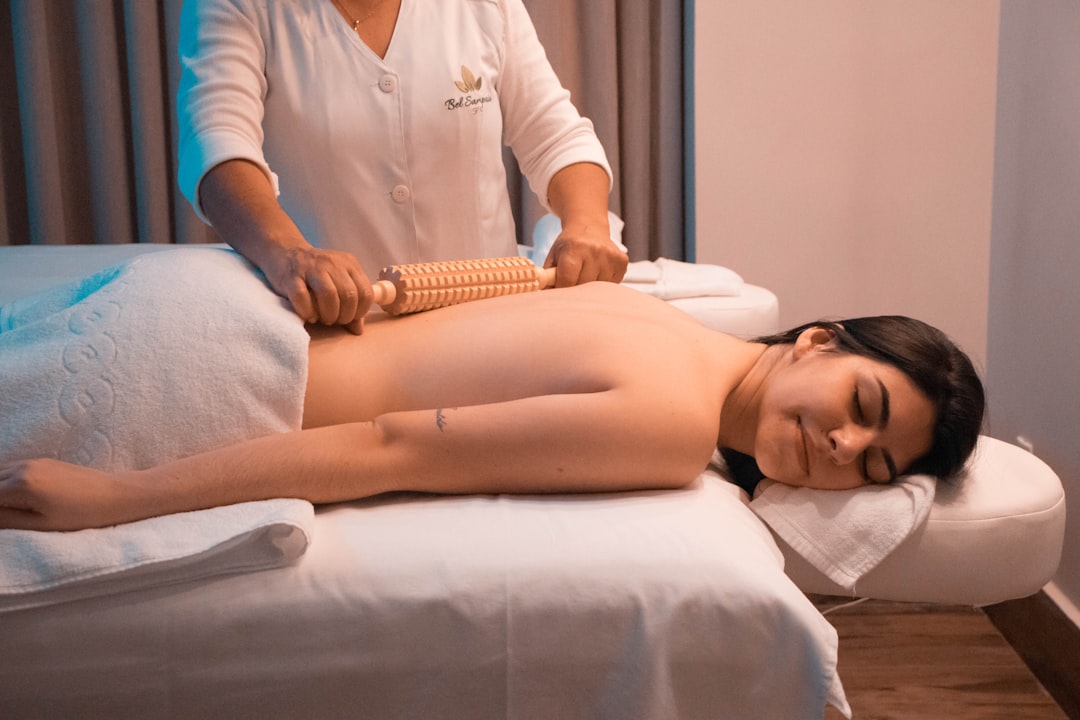
When you think about therapy, it’s easy to focus solely on the mind—thoughts, feelings, and cognitive patterns. However, the body plays an equally vital role in your emotional and psychological well-being. The body-mind connection is a profound relationship where your physical sensations, posture, and movements can influence your mental state. This connection is particularly important for those navigating trauma, burnout, or emotional overwhelm. By recognizing that your body holds memories and emotions, you can begin to understand how to work with these sensations to foster healing.
In therapy, acknowledging the body-mind connection allows you to explore your experiences more holistically. You may find that certain emotions manifest physically—tightness in your chest when anxious or a heaviness in your limbs when feeling sad. By tuning into these sensations, you can gain insights into your emotional landscape. This awareness can be a powerful tool for self-discovery and healing, as it encourages you to listen to your body’s wisdom rather than dismissing it. Embracing this connection can lead to a deeper understanding of yourself and pave the way for transformative growth.
Exploring the Impact of Trauma on the Body in Therapy
Trauma is not just an emotional experience; it is also deeply embedded in the body. When you experience trauma, your nervous system can become dysregulated, leading to a range of physical symptoms and sensations. You might notice that certain triggers evoke a visceral response—your heart races, your muscles tense, or you feel a sense of disconnection from your body. Understanding how trauma impacts the body is crucial for healing, as it allows you to address not only the emotional aspects but also the physical manifestations of your experiences.
In therapy, exploring the impact of trauma on your body can be a gentle yet profound journey. You may begin to recognize patterns in how your body reacts to stress or reminders of past events. This awareness can help you identify areas where you may be holding tension or discomfort. By bringing attention to these sensations, you can start to release pent-up emotions and create space for healing. It’s important to approach this exploration with compassion and patience, allowing yourself to feel without judgment. Remember, healing is not linear; it unfolds at its own pace.
Utilizing Body-Centered Techniques in Therapy
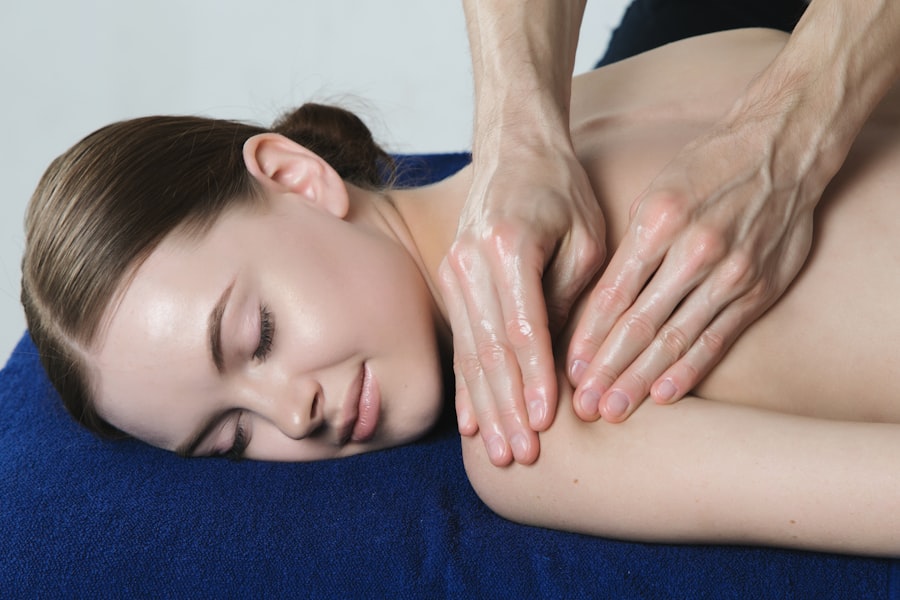
Body-centered techniques in therapy offer a pathway to reconnect with yourself on a deeper level. These approaches emphasize the importance of physical sensations and movements as tools for emotional regulation and healing. Techniques such as somatic experiencing, mindfulness practices, and gentle movement can help you access and process emotions that may be stuck in your body. By engaging with these techniques, you can cultivate a sense of safety and grounding that supports your therapeutic journey.
As you explore body-centered techniques, consider incorporating practices that resonate with you personally. This might include simple exercises like body scans, where you bring awareness to different parts of your body, or engaging in mindful movement such as yoga or tai chi. These practices encourage you to tune into your physical sensations and emotions without rushing or forcing anything. By creating a safe space for exploration, you allow yourself to uncover layers of experience that may have been buried beneath the surface.
The Role of Breath and Movement in Body-Centered Therapy

Breath and movement are two fundamental elements of body-centered therapy that can significantly enhance your healing process. Your breath is a powerful tool for regulating your nervous system; it can either calm you down or energize you, depending on how you use it. When you consciously engage with your breath—taking slow, deep inhales and gentle exhales—you signal to your body that it is safe to relax. This practice can be especially beneficial during moments of anxiety or overwhelm, helping you return to a state of balance.
Movement also plays a crucial role in body-centered therapy. Engaging in physical activity allows you to release stored tension and emotions from your body. Whether it’s through dance, walking in nature, or practicing yoga, movement invites a sense of flow and connection within yourself. As you move, pay attention to how different parts of your body feel—notice any areas of tightness or discomfort and allow yourself to breathe into those spaces. This mindful approach to movement can foster a deeper sense of embodiment and self-awareness.
Addressing Chronic Pain and Physical Symptoms in Therapy
| Body in Therapy | Benefits |
|---|---|
| Physical movement | Release of tension and stress |
| Body awareness | Increased self-awareness and mindfulness |
| Somatic experiencing | Healing of trauma and emotional wounds |
| Non-verbal communication | Expression of emotions and feelings |
Chronic pain and physical symptoms often have emotional roots that can be explored through therapy. If you’ve experienced persistent pain or discomfort, it’s essential to recognize that these sensations may be linked to unresolved emotions or past traumas. In therapy, addressing these physical symptoms requires a compassionate approach that honors both the mind and body. By exploring the connections between your emotional experiences and physical sensations, you can begin to unravel the complexities of chronic pain.
Incorporating body-centered techniques into your therapeutic practice can provide relief from chronic pain. Techniques such as gentle stretching, breathwork, and mindfulness can help you cultivate awareness around your physical sensations without judgment. As you learn to listen to your body’s signals, you may discover patterns that contribute to your pain—whether it’s tension held in specific areas or emotional triggers that exacerbate discomfort. This awareness can empower you to take an active role in your healing journey.
Incorporating Mindfulness and Body Awareness in Therapy
Mindfulness is a powerful practice that encourages present-moment awareness and acceptance. In therapy, incorporating mindfulness can help you cultivate a deeper connection with your body and emotions. By practicing mindfulness, you learn to observe your thoughts and feelings without becoming overwhelmed by them. This practice invites a sense of calm and clarity, allowing you to navigate difficult emotions with greater ease.
Body awareness is an essential component of mindfulness that focuses on tuning into physical sensations. As you engage in mindfulness practices, take time to notice how different parts of your body feel—are there areas of tension? Do certain emotions manifest physically? By bringing awareness to these sensations, you create an opportunity for healing and self-discovery. Mindfulness encourages you to approach these experiences with curiosity rather than judgment, fostering a sense of compassion for yourself as you navigate your journey.
Healing Emotional Wounds through Body-Centered Approaches
Emotional wounds often leave imprints on both the mind and body. Healing these wounds requires a holistic approach that acknowledges the interconnectedness of your experiences. Body-centered approaches offer valuable tools for processing and releasing emotions that may be trapped within your physical being. By engaging with these approaches, you create space for healing and transformation.
In therapy, consider exploring practices such as somatic experiencing or expressive arts therapies that encourage emotional expression through the body. These modalities invite you to connect with your feelings on a deeper level, allowing for catharsis and release. As you engage with these practices, remember that healing is not about erasing pain but rather integrating it into your narrative. Embrace the journey with compassion and patience, knowing that each step brings you closer to wholeness.
The Role of Touch and Somatic Experiencing in Therapy
Touch can be a powerful tool for healing when used appropriately within therapeutic contexts. Somatic experiencing emphasizes the importance of bodily sensations and experiences in processing trauma and emotional distress. In this approach, touch may be used as a means of grounding or reconnecting with one’s body—a gentle reminder that safety exists within oneself.
If touch feels appropriate for you within therapy, it can foster a sense of connection and support during vulnerable moments. Whether through gentle guidance during movement or supportive contact during emotional release, touch can help reinforce feelings of safety and belonging. It’s essential to communicate openly with your therapist about what feels comfortable for you regarding touch; this dialogue fosters trust and ensures that the therapeutic relationship remains attuned to your needs.
Integrating Yoga and Meditation into Therapeutic Practices
Yoga and meditation are two practices that beautifully complement body-centered therapy by promoting mindfulness, self-awareness, and emotional regulation. Integrating these practices into your therapeutic journey can enhance your ability to connect with yourself on multiple levels—physically, emotionally, and spiritually. Yoga encourages movement while fostering breath awareness; meditation invites stillness while cultivating presence.
As you explore yoga within therapy, consider focusing on gentle movements that honor your body’s current state—there’s no need for perfection or intensity here. Allow yourself to flow through poses that feel nourishing rather than challenging; this approach encourages self-compassion and acceptance. Similarly, meditation practices can help ground you in the present moment while providing tools for managing overwhelming emotions or thoughts.
Cultivating Resilience and Self-Regulation through Body-Centered Therapy
Resilience is an essential quality that allows you to navigate life’s challenges with grace and strength. Body-centered therapy offers valuable tools for cultivating resilience by fostering self-regulation skills—an ability to manage emotional responses effectively. Through practices such as breathwork, mindfulness, and movement, you can develop greater awareness of your emotional landscape while learning how to respond rather than react.
As you engage with these practices, consider setting small intentions for yourself—perhaps focusing on moments when you feel overwhelmed or triggered. By practicing self-regulation techniques during these times, you create opportunities for growth and resilience-building. Remember that resilience is not about avoiding difficulties but rather embracing them as part of your journey toward healing.
The Future of Body-Centered Approaches in Mental Health Treatment
The future of mental health treatment is increasingly recognizing the importance of body-centered approaches as integral components of healing. As more practitioners embrace the mind-body connection, there is a growing understanding that effective therapy must address both emotional and physical aspects of well-being. This shift opens up new possibilities for individuals seeking support on their healing journeys.
As we move forward into this new era of mental health treatment, it’s essential to continue advocating for holistic approaches that honor the wisdom of the body. By integrating body-centered techniques into traditional therapeutic modalities, we create spaces where individuals can feel safe exploring their experiences fully—allowing for deeper healing and transformation. Embrace this evolving landscape with an open heart; know that there is hope for healing through connection—both within yourself and with others who share similar journeys.
FAQs
What is the role of the body in therapy?
The role of the body in therapy involves understanding and addressing the physical manifestations of emotional and psychological issues. It emphasizes the connection between the mind and body, and how physical experiences can impact mental health.
How does the body impact mental health?
The body can impact mental health through the experience of physical symptoms such as tension, pain, and discomfort, which can be linked to emotional and psychological stress. Additionally, the body’s response to trauma and stress can have long-term effects on mental well-being.
What are some body-based therapeutic approaches?
Body-based therapeutic approaches include somatic experiencing, dance/movement therapy, yoga therapy, and sensorimotor psychotherapy. These approaches focus on integrating physical experiences into the therapeutic process to promote healing and well-being.
What are the benefits of incorporating the body into therapy?
Incorporating the body into therapy can help individuals access and process emotions, release physical tension, improve self-awareness, and develop coping skills. It can also promote a sense of empowerment and resilience in managing mental health challenges.
How can individuals incorporate body-based practices into their own mental health care?
Individuals can incorporate body-based practices into their mental health care by exploring activities such as yoga, tai chi, mindfulness meditation, and expressive arts. Additionally, seeking out therapists who specialize in body-based approaches can provide support in integrating the body into the therapeutic process.