

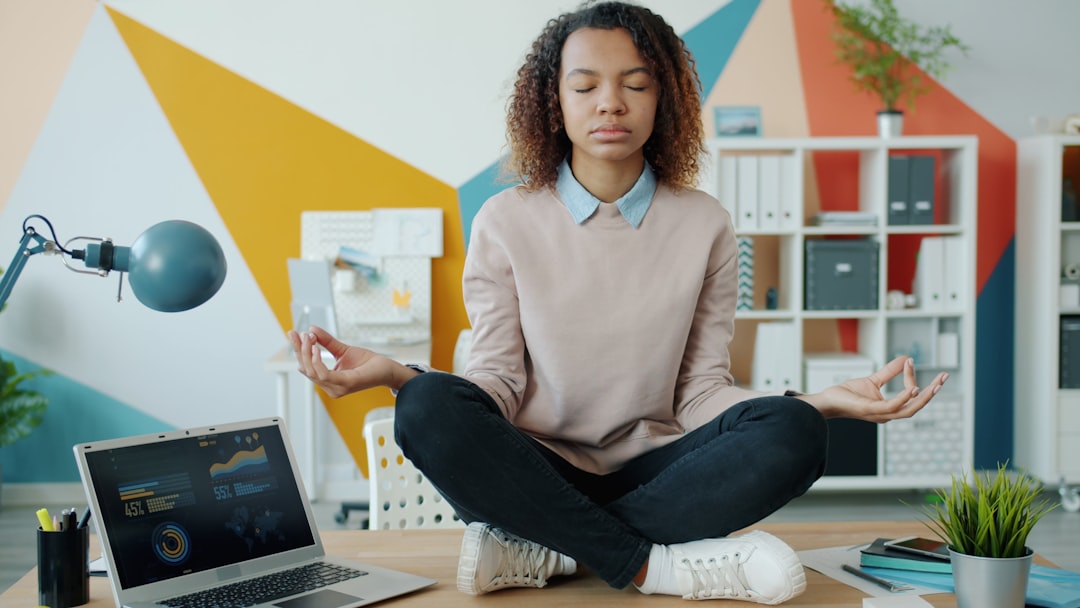
In our fast-paced world, stress can often feel like an unwelcome companion, shadowing our every move and weighing heavily on our hearts and minds. You may find yourself navigating the complexities of daily life, feeling overwhelmed by the demands placed upon you. It’s important to remember that you are not alone in this experience. Many of us carry the weight of emotional overwhelm, trauma, or burnout, and it’s essential to cultivate gentle practices that can help you reconnect with your body and mind. Gentle stress release techniques offer a pathway to restore balance, allowing you to find moments of peace amidst the chaos.
These techniques are not about forcing change or pushing through discomfort; rather, they invite you to listen to your body’s innate wisdom. By engaging in practices that promote relaxation and self-awareness, you can create a nurturing space for healing. In this article, we will explore various gentle stress release techniques that can help you cultivate resilience and emotional regulation. Each practice is designed to be accessible and supportive, encouraging you to honor your unique journey toward well-being.
Mindful Breathing Exercises for Relaxation
Breathing is one of the most powerful tools at your disposal for managing stress and promoting relaxation. When you focus on your breath, you create a bridge between your mind and body, allowing you to ground yourself in the present moment. Mindful breathing exercises can help calm your nervous system, reduce anxiety, and foster a sense of inner peace. One simple technique is the 4-7-8 breath: inhale deeply through your nose for a count of four, hold your breath for a count of seven, and exhale slowly through your mouth for a count of eight. Repeat this cycle several times, allowing each breath to bring you deeper into a state of relaxation.
As you practice mindful breathing, pay attention to how your body feels with each inhale and exhale. Notice any areas of tension or discomfort, and allow your breath to gently soften those sensations. This practice not only helps to release stress but also encourages self-compassion as you tune into your body’s needs. Remember that it’s okay to take a moment for yourself, even amidst a busy day. By incorporating mindful breathing into your routine, you can cultivate a greater sense of calm and clarity.
Progressive Muscle Relaxation for Tension Release
Progressive muscle relaxation (PMR) is a technique that invites you to systematically tense and then relax different muscle groups throughout your body. This practice can be particularly effective for releasing physical tension that often accompanies stress. Begin by finding a comfortable position, either sitting or lying down. Start with your feet; tense the muscles for a few seconds, then release and notice the difference in sensation. Gradually work your way up through your legs, abdomen, arms, and face, allowing each area to relax fully before moving on.
As you engage in PMR, take your time with each muscle group. This practice not only helps to alleviate physical tension but also encourages mindfulness as you become more attuned to the sensations within your body. You may find that certain areas hold more tension than others; this awareness can be a valuable insight into how stress manifests in your physical form. By regularly practicing progressive muscle relaxation, you can create a deeper connection with your body and foster a sense of safety and ease.
Yoga Poses for Stress Relief
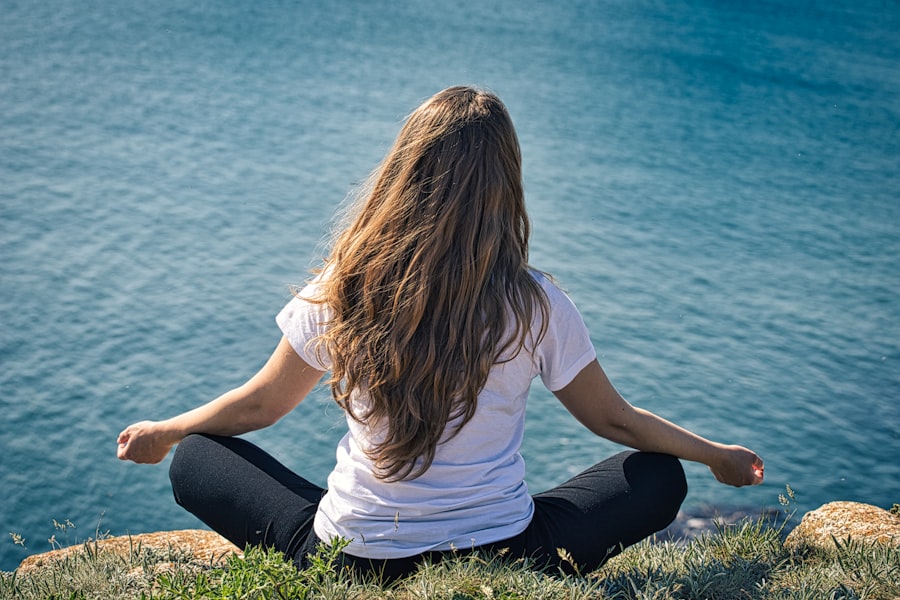
Yoga is a beautiful practice that combines movement, breath, and mindfulness to promote overall well-being. Certain yoga poses are particularly effective for relieving stress and tension in the body. For instance, Child’s Pose is a gentle resting position that encourages surrender and relaxation. As you kneel on the mat and fold forward, allow your forehead to rest on the ground while breathing deeply into your back. This pose invites a sense of safety and comfort, allowing you to release any pent-up emotions.
Another beneficial pose is Legs-Up-the-Wall Pose (Viparita Karani). By lying on your back with your legs extended up against a wall, you create a restorative posture that encourages blood flow and relaxation. This pose can help calm the nervous system and alleviate feelings of anxiety or overwhelm. As you hold these poses, focus on your breath and allow yourself to be present in the moment. Yoga offers a gentle way to connect with your body while fostering emotional resilience.
Self-Massage Techniques to Release Tension
| Technique | Description |
|---|---|
| Deep Breathing | Focusing on slow, deep breaths to calm the nervous system and reduce stress. |
| Progressive Muscle Relaxation | Tensing and then relaxing each muscle group to release physical tension. |
| Yoga | Combining movement, breath, and meditation to promote relaxation and reduce stress. |
| Meditation | Practicing mindfulness and deep relaxation to calm the mind and body. |
| Massage | Using touch to release muscle tension and promote relaxation. |
Self-massage is a nurturing practice that allows you to connect with your body while releasing tension and promoting relaxation. You don’t need any special tools or training; simply use your hands to explore areas of tightness or discomfort. Start by gently massaging your neck and shoulders, where stress often accumulates. Use circular motions or kneading techniques to help release knots and promote circulation.
You might also consider incorporating acupressure into your self-massage routine. By applying gentle pressure to specific points on your body—such as the space between your eyebrows or the fleshy part of your hand—you can stimulate energy flow and promote relaxation. As you engage in self-massage, take time to breathe deeply and tune into how each touch feels in your body. This practice not only helps alleviate physical tension but also fosters a sense of self-care and compassion.
Guided Imagery and Visualization for Relaxation
Guided imagery is a powerful technique that allows you to tap into the creative power of your mind to promote relaxation and healing. By visualizing calming scenes or experiences, you can create a sense of peace within yourself. Find a comfortable position and close your eyes. Imagine yourself in a serene environment—a tranquil beach, a lush forest, or a cozy room filled with soft light. Engage all of your senses as you immerse yourself in this visualization; feel the warmth of the sun on your skin or hear the gentle rustle of leaves in the breeze.
As you explore these calming images, allow any tension or stress to melt away. Guided imagery can be particularly helpful during moments of overwhelm or anxiety, providing an escape into a safe mental space. You might even consider recording your own guided imagery session or finding one online that resonates with you. By incorporating this practice into your routine, you can cultivate a deeper sense of inner peace and emotional regulation.
Tai Chi and Qigong for Stress Reduction
Tai Chi and Qigong are ancient practices rooted in Chinese medicine that emphasize slow, flowing movements combined with mindful breathing. These gentle exercises promote relaxation while enhancing physical strength and balance. As you engage in Tai Chi or Qigong, focus on the sensations within your body as you move through each posture. The rhythmic nature of these practices encourages mindfulness and helps calm the mind.
You don’t need any prior experience to begin practicing Tai Chi or Qigong; there are many resources available online or in local classes that can guide you through the movements at your own pace. As you explore these practices, allow yourself to be present in each moment, letting go of any expectations or judgments. The beauty of Tai Chi and Qigong lies in their ability to connect mind and body while fostering a sense of tranquility amidst life’s challenges.
Aromatherapy and Essential Oils for Calming the Body
Aromatherapy harnesses the power of essential oils derived from plants to promote relaxation and emotional well-being. Certain scents—such as lavender, chamomile, or bergamot—are known for their calming properties and can help soothe an anxious mind or tense body. You might consider diffusing essential oils in your living space or adding a few drops to a warm bath for an immersive experience.
When using essential oils, it’s important to choose high-quality products and dilute them appropriately if applying them directly to the skin. As you engage with these scents, take time to breathe deeply and notice how they affect your mood and physical sensations. Aromatherapy can serve as a gentle reminder to pause and reconnect with yourself throughout the day, offering moments of calm amidst life’s busyness.
Acupuncture and Acupressure for Stress Relief
Acupuncture is an ancient healing practice that involves inserting thin needles into specific points on the body to promote balance and alleviate stress. While it may seem intimidating at first, many people find acupuncture sessions deeply relaxing and transformative. If you’re open to exploring this practice, consider seeking out a licensed acupuncturist who can guide you through the process.
If acupuncture isn’t accessible for you, acupressure offers a wonderful alternative that allows you to stimulate these points on your own body using gentle pressure from your fingers. Common acupressure points for stress relief include the space between your eyebrows (Yintang) and the point located on the wrist (Pericardium 6). By incorporating acupressure into your self-care routine, you can create moments of calm while fostering greater awareness of how stress manifests in your body.
Reiki and Energy Healing for Relaxation
Reiki is an energy healing practice that promotes relaxation by channeling universal life force energy through gentle touch or near-body techniques. Many people report feeling deeply relaxed during Reiki sessions as they allow themselves to receive this nurturing energy. If you’re curious about Reiki, consider finding a certified practitioner who can guide you through an experience tailored to your needs.
Even if you’re unable to access a practitioner, there are simple self-Reiki techniques you can explore at home. By placing your hands on different areas of your body—such as your heart or abdomen—you can create a sense of warmth and connection while inviting healing energy into those spaces. As you engage in this practice, focus on cultivating self-compassion and allowing yourself to receive love and care from within.
Incorporating Gentle Stress Release Techniques into Your Daily Routine
As you navigate life’s challenges, remember that gentle stress release techniques are not just tools but invitations to connect more deeply with yourself. Each practice offers an opportunity for self-discovery and healing as you learn to listen to your body’s wisdom. Whether it’s through mindful breathing, yoga poses, or self-massage techniques, these practices encourage emotional regulation while fostering resilience.
Incorporating these techniques into your daily routine doesn’t have to feel overwhelming; start small by choosing one or two practices that resonate with you. Allow yourself the grace to explore at your own pace without judgment or pressure. Over time, these gentle practices can become anchors in your life—reminders that even amidst stress, there is always space for healing and connection within yourself.
As you embark on this journey toward greater well-being, trust that every step counts—no matter how small—and honor yourself for taking the time to nurture your mind and body. You deserve moments of peace and joy as you navigate life’s complexities with grace and compassion.
FAQs
What are some gentle ways to release stress from the body?
Some gentle ways to release stress from the body include practicing deep breathing exercises, engaging in gentle yoga or stretching, taking a warm bath, going for a nature walk, and practicing mindfulness or meditation.
How does deep breathing help in releasing stress from the body?
Deep breathing helps release stress from the body by activating the body’s relaxation response, reducing muscle tension, lowering blood pressure, and promoting a sense of calm and well-being.
What are the benefits of engaging in gentle yoga or stretching to release stress?
Engaging in gentle yoga or stretching can help release stress from the body by improving flexibility, reducing muscle tension, promoting relaxation, and increasing body awareness, which can help alleviate stress and tension.
How does taking a warm bath help in releasing stress from the body?
Taking a warm bath can help release stress from the body by soothing sore muscles, promoting relaxation, and providing a calming and comforting experience that can help reduce stress and tension.
What is the role of mindfulness or meditation in releasing stress from the body?
Mindfulness or meditation can help release stress from the body by promoting relaxation, reducing the body’s stress response, increasing self-awareness, and fostering a sense of calm and inner peace.