


Healing begins with a gentle yet profound act: acknowledging the pain that resides within you. It’s easy to want to push those feelings aside, to bury them under layers of busyness or distraction. However, true healing requires you to face the reality of your situation, to sit with the discomfort that comes from recognizing your trauma. This process is not about wallowing in sorrow but rather about honoring your experiences and the emotions that accompany them. When you allow yourself to feel, you create space for understanding and acceptance.
As you embark on this journey of acknowledgment, remember that it’s perfectly normal to feel a range of emotions—sadness, anger, confusion, or even numbness. Each of these feelings is valid and deserves your attention. By giving yourself permission to experience these emotions, you begin to unravel the tightly wound threads of your pain. This act of recognition is a powerful first step toward healing, as it lays the groundwork for deeper exploration and understanding of your emotional landscape.
Seeking Support
Navigating the complexities of healing can feel overwhelming, and it’s important to remember that you don’t have to do it alone. Seeking support from friends, family, or professionals can provide a comforting anchor during turbulent times. Whether it’s through therapy, support groups, or simply confiding in someone who can listen without judgment, reaching out can be a lifeline. You deserve to be heard and supported as you work through your feelings.
When you open up to others, you create a network of understanding that can help lighten your emotional load. Sharing your experiences can foster connection and remind you that you are not alone in your struggles. It’s okay to lean on others; vulnerability is not a weakness but a testament to your strength and courage. Allow yourself to be seen and supported as you navigate this path toward healing.
Self-Compassion
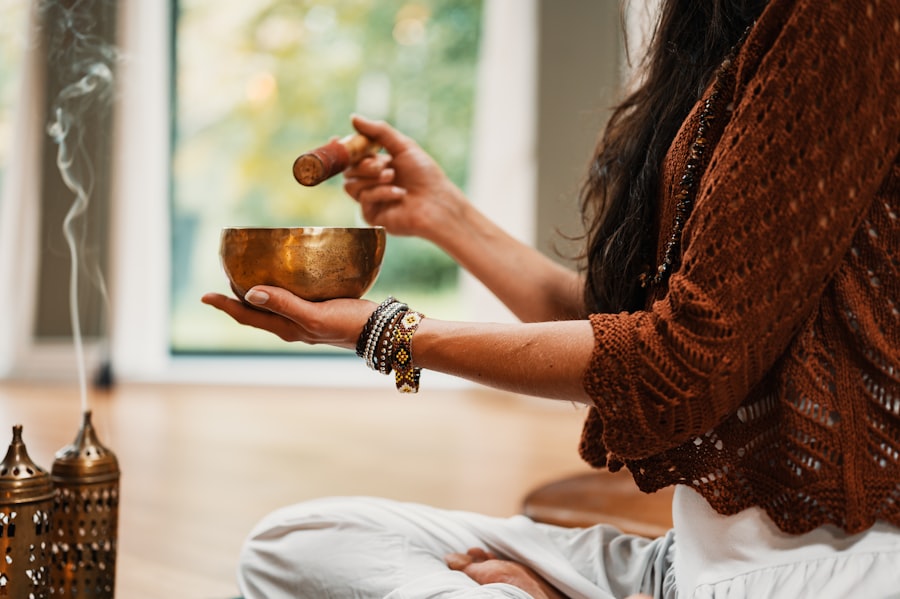
As you journey through the healing process, practicing self-compassion becomes essential. It’s easy to fall into the trap of self-criticism, especially when grappling with difficult emotions. However, it’s crucial to remind yourself that it’s okay to feel the way you do. You are human, and experiencing pain is part of the human condition. By treating yourself with kindness and understanding, you create a nurturing environment for healing.
Self-compassion means allowing yourself the grace to grieve and process your emotions without judgment. It’s about recognizing that healing is not linear; there will be ups and downs along the way. When you embrace self-compassion, you cultivate a sense of safety within yourself, allowing for deeper exploration of your feelings. This gentle approach fosters resilience and encourages you to honor your journey, no matter how messy it may seem.
Letting Go of Resentment

Healing often involves the challenging yet liberating process of letting go of resentment and anger—whether directed at yourself or others. Holding onto these negative emotions can weigh heavily on your heart and hinder your progress. It’s important to recognize that forgiveness does not mean condoning hurtful actions; rather, it’s about freeing yourself from the burden of carrying that pain. Releasing resentment allows you to reclaim your energy and focus on your own healing.
As you work through these feelings, consider what forgiveness might look like for you. It could be a quiet acknowledgment of the hurt or a more active decision to release the grip of anger. This process may take time, and that’s perfectly okay. Be patient with yourself as you navigate these complex emotions. Remember that letting go is not about forgetting; it’s about choosing to prioritize your well-being over lingering negativity.
Finding Meaning
| Aspect of Healing | Description |
|---|---|
| Physical Healing | Restoration of physical health and well-being, including recovery from illness or injury. |
| Emotional Healing | Addressing and processing emotional pain, trauma, and distress to achieve emotional well-being. |
| Mental Healing | Improvement of mental health, including managing stress, anxiety, and improving cognitive function. |
| Spiritual Healing | Exploration and nurturing of one’s spiritual beliefs and practices for inner peace and harmony. |
| Relational Healing | Repairing and strengthening relationships with oneself and others for healthy connections. |
In the midst of pain, there often lies an opportunity for growth and transformation. Healing can involve finding meaning in your experiences, using them as catalysts for personal development. This doesn’t mean that you have to justify or rationalize your suffering; rather, it’s about exploring how these experiences can shape who you are becoming. Reflecting on what you’ve learned can help illuminate a path forward.
Consider what insights have emerged from your struggles. Perhaps they have revealed strengths you didn’t know you possessed or clarified what truly matters to you in life. By finding meaning in your pain, you can begin to weave a narrative that empowers rather than diminishes you. This process invites you to embrace your story as part of your journey toward healing and growth.
Embracing Vulnerability
Healing often requires embracing vulnerability—allowing yourself to be open and honest about your emotions. This can feel daunting, especially if you’ve been conditioned to hide your feelings or present a brave face to the world. However, vulnerability is a powerful tool for connection and authenticity. When you allow yourself to be seen in your rawness, you invite others to do the same, fostering deeper relationships built on trust and understanding.
Being vulnerable means acknowledging your fears and uncertainties without shame. It’s about sharing your truth with those who can hold space for it. As you practice this openness, you may find that it not only strengthens your connections with others but also deepens your relationship with yourself. Embracing vulnerability is an act of courage that paves the way for healing and growth.
Setting Boundaries
As you navigate the healing process, setting healthy boundaries becomes essential for prioritizing self-care. Boundaries are not walls; they are protective measures that allow you to honor your needs while maintaining healthy relationships with others. Recognizing when to say no or when to step back from situations that drain your energy is an important aspect of self-respect.
Establishing boundaries may feel uncomfortable at first, especially if you’re used to putting others’ needs before your own. However, remember that prioritizing your well-being is not selfish; it’s necessary for sustainable healing. By communicating your limits clearly and kindly, you create an environment where both you and those around you can thrive.
Accepting Imperfection
Healing often involves accepting imperfection—both in yourself and in the process itself. It’s easy to fall into the trap of wanting everything to be perfect or neatly resolved, but life rarely unfolds in such a tidy manner. Embracing imperfection means recognizing that it’s okay not to have everything figured out right now. You are on a journey, and each step—no matter how small—is part of that path.
Allow yourself the grace to be human, with all the messiness that entails. Accepting imperfection invites patience into your healing process; it reminds you that growth takes time and that setbacks are part of the journey. By letting go of rigid expectations, you create space for exploration and discovery, allowing yourself to evolve at your own pace.
Finding Joy
Amidst the pain of healing, it’s vital to seek out moments of joy and happiness. This doesn’t mean ignoring or dismissing your struggles; rather, it’s about allowing yourself to experience lightness even in difficult times. Finding joy can be as simple as savoring a warm cup of tea, enjoying a walk in nature, or sharing laughter with a friend. These moments serve as reminders that life still holds beauty amidst challenges.
As you cultivate joy in small ways, notice how it impacts your overall well-being. Allowing yourself to experience happiness can create a sense of balance within the emotional landscape of healing. It’s an invitation to celebrate life’s simple pleasures while honoring the complexity of your journey.
Reconnecting with Yourself
Healing often involves a profound reconnection with yourself—rediscovering who you are beyond the pain and trauma you’ve experienced. This journey inward allows you to explore your identity and purpose anew. Take time to reflect on what brings you joy, what values resonate with you, and what dreams still linger in your heart.
Reconnecting with yourself may involve engaging in activities that nourish your spirit—whether it’s creative expression, mindfulness practices, or simply spending time in solitude. As you explore these facets of yourself, remember that this process is not about achieving perfection but rather about embracing authenticity and inner peace.
Moving Forward
Ultimately, healing involves moving forward with a sense of hope and resilience. It’s about taking steps toward a brighter future while honoring where you’ve been. As you integrate the lessons learned from your experiences, consider how they can inform the narrative you wish to create for yourself moving forward.
Embrace the idea that healing is not an endpoint but an ongoing journey filled with possibilities for growth and transformation. With each step taken—no matter how small—you are crafting a new story for yourself, one rooted in strength and self-awareness. Allow hope to guide you as you navigate this path toward renewal and self-discovery, knowing that brighter days lie ahead.
FAQs
What is healing?
Healing is the process of recovering from an injury, illness, or trauma. It involves physical, emotional, and psychological restoration to a state of well-being.
What are the different types of healing?
There are various types of healing, including physical healing, emotional healing, spiritual healing, and mental healing. Each type addresses different aspects of a person’s well-being.
What does healing actually look like?
Healing can look different for everyone, but it often involves a combination of self-care, seeking professional help, building a support system, and making positive lifestyle changes. It may also involve facing and processing difficult emotions or experiences.
How long does healing take?
The duration of healing varies depending on the individual and the nature of the injury or trauma. Some people may experience rapid healing, while others may require a longer period of time. It’s important to be patient and allow the healing process to unfold naturally.
What are some signs of healing?
Signs of healing may include increased energy and motivation, improved mood, better sleep, reduced physical symptoms, and a greater sense of peace and acceptance. It’s important to recognize and celebrate these signs as progress in the healing journey.