


CLICK HERE FOR AFFIRMATION JOURNAL

 
BLOG

Read My Blog

bt_bb_section_bottom_section_coverage_image
Somatic Healing Isn’t About Fixing—It’s About Listening

Somatic healing explores the interconnection between body and mind, recognizing that physical sensations, emotions, and thoughts are deeply integrated. This evidence-based approach acknowledges the body as a repository of information and insight, encouraging individuals to attend to physical cues. Unlike therapies that exclusively target cognitive processes or verbal expression, somatic healing engages directly with bodily...

The Importance of Feeling Your “No”

Somatic boundaries refer to the physical and emotional limits individuals establish to maintain personal safety and well-being. These boundaries encompass both the physical space around one’s body and the emotional responses to various interactions and environments. Unlike traditional boundary concepts that focus primarily on external behaviors and verbal communication, somatic boundaries emphasize the body’s physiological...

The Body as a Compass: Honoring What You Feel

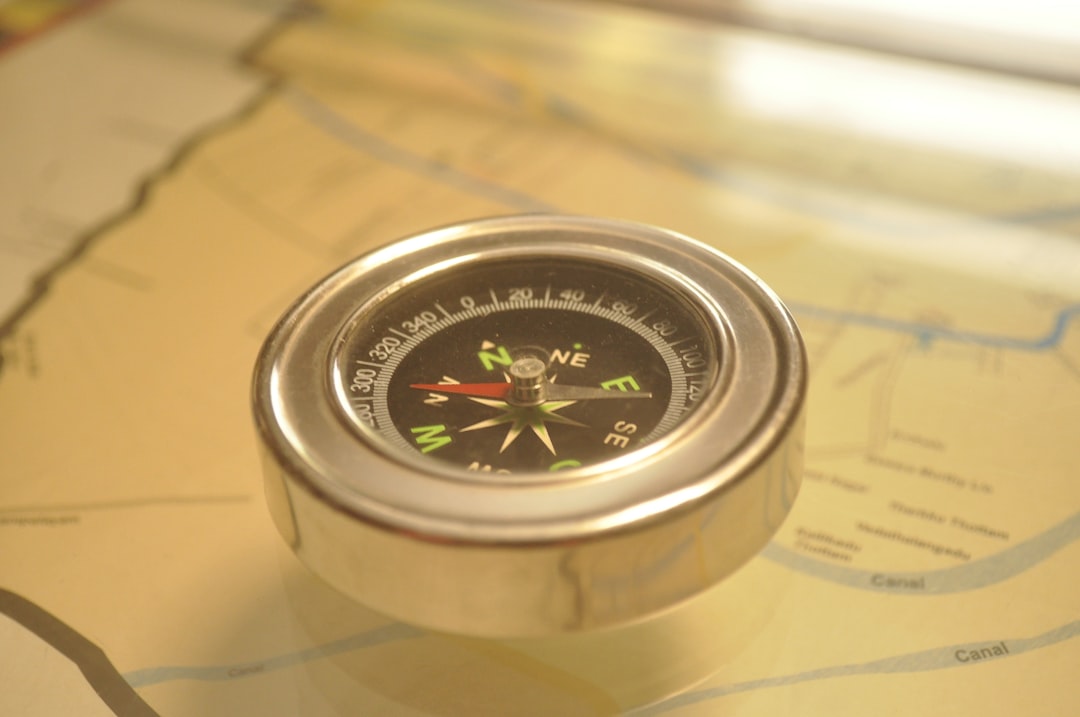
The somatic compass refers to the human capacity to perceive and interpret bodily sensations as sources of information about emotional and psychological states. This concept is based on the understanding that physical sensations in the body can provide insight into one’s internal experiences and responses to external circumstances. Research in neuroscience and psychology supports the...

The Wisdom of the Body in Moments of Pause

In today’s rapid society, a somatic pause represents an intentional moment to reconnect with one’s physical self. This practice involves deliberately stopping to listen to bodily signals and sensations. By taking time to pause, individuals can develop greater awareness of their internal states, potentially leading to improved understanding of their emotional responses and experiences. A...

Body-Based Boundaries: A Felt Approach to Saying No

Somatic boundaries refer to the physical and bodily aspects of personal limits that complement emotional and verbal boundaries in interpersonal relationships. These boundaries are established through bodily sensations and responses that signal comfort levels and potential threats. They develop through accumulated life experiences, including traumatic events, and are influenced by natural self-protective mechanisms. Recognition and...

How to Recognize a Regulated State in Your Body

Physiological regulation refers to the body’s mechanisms for maintaining homeostasis—the stable internal conditions necessary for optimal cellular function and survival. This process involves complex feedback systems that monitor and adjust various biological parameters, including body temperature, blood pH, glucose levels, and fluid balance. The body’s regulatory systems operate through multiple interconnected mechanisms. The nervous system...

Feeling Disconnected? It Might Be a Freeze Response

The freeze response represents one of four primary autonomic nervous system reactions to perceived threats, alongside fight, flight, and fawn responses. This neurobiological mechanism activates when the brain’s threat detection systems identify danger that cannot be effectively confronted or escaped. During activation, the parasympathetic nervous system triggers a state of immobilization characterized by muscle tension,...

Listening for “Yes” and “No” in the Body

The human body continuously generates physiological signals that reflect emotional and psychological states. These bodily sensations often occur below the threshold of conscious awareness during routine activities. The body communicates through various physical manifestations including muscle tension, gastrointestinal sensations, and changes in breathing patterns or heart rate. These responses can indicate underlying emotional states, stress...

What Happens When You Stop Overriding the Body’s Cues

The human body continuously generates physiological and psychological signals that provide information about internal states and external responses. These signals include physical sensations such as muscle tension, gastrointestinal responses, and cardiovascular changes, as well as emotional and cognitive reactions. Common examples include shoulder tension during stress, gastric sensations during anxiety, and chest tightness during emotional...

The Role of Silence in Trauma Recovery

Trauma frequently disrupts the connection between individuals and their environment, often resulting in periods of silence that carry significant psychological weight. Following traumatic experiences, individuals may encounter difficulty expressing thoughts and emotions, leading to various manifestations including emotional numbness, impaired verbal communication, or anxiety about self-expression. The act of speaking may feel threatening to the...