


As a healer, you often find yourself in the role of a caretaker, providing support and guidance to those who are navigating their own challenges. This noble calling can be incredibly rewarding, yet it also comes with its own set of demands. It’s essential to recognize that your well-being is just as important as the well-being of those you serve. Self-care is not merely a luxury; it is a necessity. When you prioritize your own health—emotionally, physically, and spiritually—you create a solid foundation from which to offer your gifts to others.
Engaging in self-care allows you to replenish your energy and maintain your passion for healing. It can take many forms, from simple daily rituals to more structured practices. Whether it’s taking a quiet moment to breathe deeply, enjoying a warm cup of tea, or engaging in physical activity that brings you joy, these small acts can significantly impact your overall well-being. By nurturing yourself, you cultivate a sense of inner peace and resilience that not only benefits you but also enhances the quality of care you provide to others.
In the journey of self-care for those who dedicate their lives to helping others, the article “Healing for Healers: When You Are the One Who Helps Others” emphasizes the importance of addressing the emotional and psychological toll that caregiving can take. A related resource that explores innovative therapeutic approaches for healing is the article on Ketamine-Assisted Psychotherapy in California. This treatment offers a unique perspective on mental health recovery, particularly for those in caregiving professions who may experience burnout or trauma. For more information, you can read the article here: Ketamine-Assisted Psychotherapy in California.
Recognizing and Addressing Compassion Fatigue
Compassion fatigue is a term that describes the emotional and physical exhaustion that can arise from the constant exposure to the suffering of others. As a healer, you may find yourself deeply affected by the stories and experiences of those you work with. It’s important to recognize the signs of compassion fatigue, which can include feelings of hopelessness, irritability, or a sense of detachment from your work. Acknowledging these feelings is the first step toward addressing them.
To combat compassion fatigue, it’s crucial to create space for reflection and self-awareness. Consider journaling about your experiences or engaging in conversations with trusted colleagues who understand the unique challenges of your profession. By sharing your feelings and experiences, you can begin to process the emotional weight you carry. Additionally, incorporating regular self-care practices into your routine can help mitigate the effects of compassion fatigue, allowing you to recharge and reconnect with your purpose as a healer.
Setting Boundaries in Healing Professions
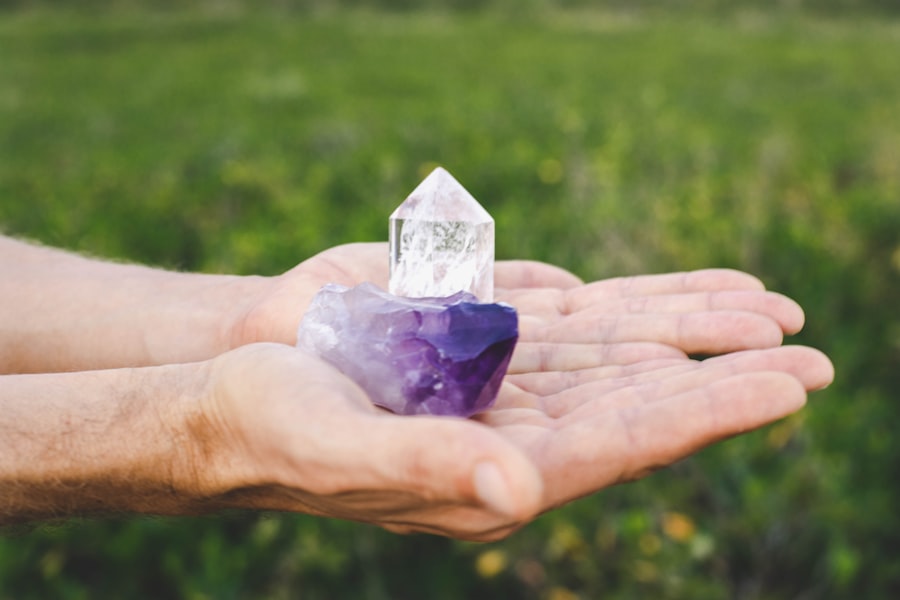
Setting boundaries is an essential skill for anyone in a healing profession. It can be challenging to navigate the fine line between being available for your clients and protecting your own emotional space. Boundaries help create a safe environment for both you and those you serve. They allow you to maintain your energy levels while ensuring that your clients receive the support they need without overwhelming you.
To establish healthy boundaries, start by identifying your limits—what feels comfortable for you in terms of time, emotional investment, and availability. Communicate these boundaries clearly with your clients, ensuring they understand your commitment to their well-being while also respecting your need for self-care. Remember that setting boundaries is not about shutting others out; rather, it’s about creating a framework that allows for healthy relationships built on mutual respect and understanding.
Dealing with Vicarious Trauma

Vicarious trauma occurs when you absorb the emotional pain and trauma experienced by those you work with. This phenomenon can leave you feeling drained, anxious, or even traumatized yourself. It’s vital to recognize when vicarious trauma is affecting you so that you can take proactive steps to address it. Acknowledging the impact of others’ experiences on your own mental health is not a sign of weakness; it’s an important aspect of being a compassionate healer.
To cope with vicarious trauma, consider incorporating grounding techniques into your daily routine. These practices can help you reconnect with your body and release any pent-up emotions. Simple exercises like deep breathing, mindful walking, or even spending time in nature can help restore your sense of safety and balance. Additionally, seeking supervision or consultation with colleagues can provide valuable support as you navigate the complexities of your work.
In the journey of supporting others, healers often overlook their own well-being, which is why the article on somatic therapy offers valuable insights. By exploring how to engage with your five senses as a form of support, it complements the themes discussed in “Healing for Healers: When You Are the One Who Helps Others.” This approach not only enhances personal healing but also enriches the ability to assist others effectively. For more information on this topic, you can read the article here.
Seeking Support and Supervision
| Metrics | Data |
|---|---|
| Number of Healers | 100 |
| Number of Sessions | 500 |
| Duration of Sessions | 1 hour |
| Types of Healing Techniques | Reiki, Massage, Meditation |
In the healing professions, seeking support and supervision is not only beneficial but often necessary. Engaging in regular supervision allows you to reflect on your practice, gain insights from experienced colleagues, and receive guidance on challenging cases. This collaborative approach fosters professional growth while also providing a safe space for you to process your own emotions related to your work.
Don’t hesitate to reach out for support when needed. Whether it’s through formal supervision or informal peer support groups, connecting with others who understand the unique challenges of healing professions can be incredibly validating. Sharing experiences and strategies can help alleviate feelings of isolation and reinforce the importance of community in your journey as a healer.
Mindfulness and Meditation for Healers
Mindfulness and meditation are powerful tools that can help you cultivate a deeper connection with yourself and enhance your ability to be present for others. These practices encourage you to tune into your body and emotions, fostering a sense of awareness that can be grounding amidst the demands of your work. By incorporating mindfulness into your daily routine, you create opportunities for reflection and self-discovery.
Consider starting with just a few minutes each day dedicated to mindfulness or meditation. You might find it helpful to focus on your breath, allowing each inhale and exhale to anchor you in the present moment. As thoughts arise—whether they are related to work or personal life—acknowledge them without judgment and gently return your focus to your breath. Over time, this practice can help cultivate emotional regulation and resilience, allowing you to approach your work with renewed clarity and compassion.
The Role of Therapy for Healers
Therapy can be an invaluable resource for healers navigating the complexities of their work. Engaging in therapy provides a safe space for you to explore your feelings, process experiences, and develop coping strategies tailored to your unique needs. It’s important to remember that seeking therapy is not a sign of weakness; rather, it demonstrates a commitment to your own well-being and professional growth.
In therapy, you can delve into the emotional challenges that arise from working with clients who are experiencing trauma or distress. A skilled therapist can help you identify patterns in your responses and guide you toward healthier coping mechanisms. By prioritizing your mental health through therapy, you not only enhance your own resilience but also improve your capacity to support others effectively.
Finding Balance in Personal and Professional Life
Striking a balance between personal and professional life is essential for maintaining long-term well-being as a healer. It’s easy to become consumed by the demands of your work, often at the expense of your personal life and self-care practices. To foster balance, take time to reflect on what truly matters to you outside of work—whether it’s spending time with loved ones, pursuing hobbies, or simply enjoying quiet moments alone.
Establishing routines that prioritize both personal time and professional responsibilities can help create harmony in your life. Consider scheduling regular breaks throughout your day or setting aside specific times each week dedicated solely to self-care activities. By intentionally carving out space for yourself, you reinforce the importance of balance and ensure that you remain grounded in both aspects of your life.
Coping with Grief and Loss in Healing Professions
Grief and loss are inevitable aspects of working in healing professions. Whether it’s the loss of a client or witnessing the struggles of those around you, these experiences can weigh heavily on your heart. It’s essential to acknowledge these feelings rather than suppress them; doing so allows for healing and growth over time.
Creating rituals around grief can be a meaningful way to honor those losses while also processing your emotions. This might involve lighting a candle in remembrance, writing letters expressing what you wish you could say to those who have passed, or simply taking time to reflect on their impact on your life and work. Allowing yourself to grieve openly fosters resilience and helps integrate these experiences into your journey as a healer.
Building Resilience and Emotional Strength
Resilience is an essential quality for healers navigating the challenges of their profession. It involves developing emotional strength that allows you to bounce back from adversity while maintaining compassion for yourself and others. Building resilience takes time and intentionality; it requires cultivating self-awareness and embracing vulnerability as part of the healing process.
To enhance your resilience, consider engaging in practices that promote emotional regulation—such as journaling about your experiences or participating in creative outlets like art or music. Surrounding yourself with supportive individuals who uplift and inspire you can also contribute significantly to building resilience. Remember that it’s okay to lean on others during difficult times; doing so reinforces the interconnectedness we all share as human beings.
Continuing Education and Professional Development for Healers
The journey of a healer is one of continuous learning and growth. Engaging in ongoing education not only enhances your skills but also deepens your understanding of the complexities within healing professions. Whether through workshops, conferences, or online courses, seeking out opportunities for professional development allows you to stay informed about new approaches and techniques that can benefit both you and those you serve.
As you invest in your education, remember that this journey is not solely about acquiring knowledge; it’s also about nurturing curiosity and passion for your work. Embrace each learning opportunity as a chance to expand not only your skill set but also your capacity for empathy and connection with others. By committing to lifelong learning, you reinforce the importance of growth—not just for yourself but also for those who rely on your guidance as a healer.
In conclusion, navigating the complexities of healing professions requires intentional self-care, awareness of emotional challenges like compassion fatigue and vicarious trauma, and a commitment to ongoing personal growth. By prioritizing these aspects of your journey, you cultivate resilience while enhancing both your well-being and the quality of care you provide to others. Remember that as a healer, nurturing yourself is not just beneficial; it is essential for creating lasting positive change in the lives of those around you.
FAQs
What is the importance of healing for healers?
Healers often spend their time and energy caring for others, which can lead to burnout and compassion fatigue. Healing for healers is important to ensure they can continue to provide effective care and support to others.
What are some common signs of burnout in healers?
Common signs of burnout in healers include emotional exhaustion, a decreased sense of accomplishment, and a feeling of cynicism or detachment from their work. Physical symptoms such as headaches, insomnia, and fatigue may also be present.
What are some effective strategies for healers to prioritize their own healing?
Effective strategies for healers to prioritize their own healing include setting boundaries, practicing self-care, seeking support from colleagues or a therapist, and engaging in activities that bring joy and relaxation.
How can healers overcome feelings of guilt or selfishness when prioritizing their own healing?
Healers can overcome feelings of guilt or selfishness by recognizing that taking care of themselves allows them to continue providing quality care to others. It is important for healers to understand that prioritizing their own healing is not only beneficial for themselves, but also for those they care for.
What are some resources available for healers seeking support and healing?
There are various resources available for healers seeking support and healing, including professional counseling services, support groups, wellness programs, and self-help books specifically tailored to the needs of healers. Additionally, many organizations offer employee assistance programs and mental health resources for their staff.