

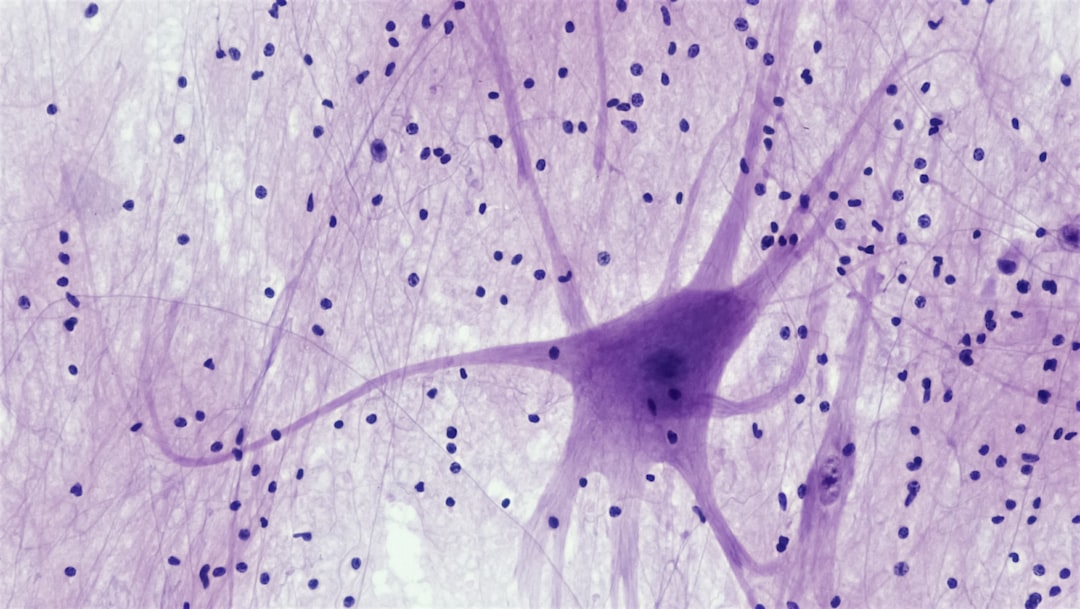
Somatic memory is a profound and often overlooked aspect of our human experience. It refers to the way our bodies hold onto memories, particularly those tied to emotional and physical experiences. When you think about your past, you might recall specific events, but what if I told you that your body remembers these moments too? Somatic memory is the repository of these experiences, stored in the tissues, muscles, and even the very cells of your body. This form of memory can be a source of wisdom, guiding you toward healing and self-discovery.
As you navigate through life, your body becomes a canvas painted with the brushstrokes of your experiences. Each sensation, each ache or tension, can tell a story about what you’ve been through. Understanding somatic memory invites you to listen to these stories, to honor the wisdom your body holds. It encourages a deeper connection with yourself, fostering a sense of safety and belonging as you explore the intricate relationship between your mind and body.
In exploring the intricate relationship between our nervous system and memory, it’s fascinating to consider how our behaviors can influence our children’s development. A related article, which delves into the importance of modeling behaviors for your child, can provide valuable insights into this dynamic. You can read more about it in the article titled “Modeling Behaviors for Your Child” at this link. Understanding these connections can help us foster healthier emotional and behavioral patterns in both ourselves and the next generation.
Understanding Body Trauma and its Effects on the Nervous System
Trauma can leave an indelible mark on both your mind and body. When you experience a traumatic event, your nervous system responds in ways that are often automatic and instinctual. This response is designed to protect you, but it can also lead to patterns of dysregulation that linger long after the event has passed. You may find yourself feeling anxious, hyper-vigilant, or even disconnected from your own body. These reactions are not just emotional; they are deeply rooted in the physiological responses of your nervous system.
The effects of trauma on the nervous system can manifest in various ways. You might notice that certain situations trigger intense feelings of fear or discomfort, even if they seem unrelated to your past experiences. This is because trauma can create a heightened state of alertness, making it difficult for you to feel safe in your own skin. By understanding how trauma affects your nervous system, you can begin to recognize these patterns and work toward healing them. It’s a journey that requires patience and compassion for yourself as you learn to navigate the complexities of your own experience.
The Role of Implicit Memory in Healing
Implicit memory plays a crucial role in how we process and heal from trauma. Unlike explicit memory, which involves conscious recollection of facts and events, implicit memory operates beneath the surface. It influences your thoughts, feelings, and behaviors without you even realizing it. This type of memory is often tied to emotional experiences and can be triggered by sensory inputs such as smells, sounds, or even physical sensations.
As you embark on your healing journey, it’s essential to acknowledge the power of implicit memory. It can shape your responses to situations in ways that may feel confusing or overwhelming. By becoming aware of these patterns, you can start to unravel the threads of your past and understand how they impact your present. This awareness is a vital step toward healing, allowing you to create new narratives that empower rather than limit you.
How the Nervous System Stores and Retrieves Forgotten Memories
The nervous system is a remarkable entity that not only responds to experiences but also stores them in ways that can be both conscious and unconscious. When you encounter a significant event, your body records it through a complex interplay of neural pathways and physiological responses. Over time, some memories may fade from conscious awareness but remain embedded within your nervous system. These forgotten memories can resurface unexpectedly, often triggered by sensations or situations that resonate with the original experience.
Understanding how your nervous system stores and retrieves these memories can be enlightening. It allows you to recognize that certain feelings or reactions may not be solely about the present moment but rather echoes from the past. By tuning into these sensations with curiosity rather than judgment, you can begin to explore the roots of your emotional responses. This exploration can lead to profound insights and ultimately pave the way for healing.
In exploring the intricate relationship between memory and the nervous system, it’s fascinating to consider how our emotional experiences shape our recollections. A related article delves into the impact of comparison on our mental well-being, highlighting how it can cloud our perceptions and hinder our ability to remember joyful moments. You can read more about this in the article on comparison and its effects on joy, which complements the discussion on how our nervous system retains memories that our conscious mind may overlook.
The Connection Between Emotional and Physical Trauma in Somatic Memory
| Metric | Description | Example/Value |
|---|---|---|
| Neural Plasticity | Ability of the nervous system to reorganize and form new connections | Increased synaptic strength after learning |
| Implicit Memory Retention | Memory retained by the nervous system without conscious awareness | Muscle memory in typing or riding a bike |
| Stress Hormone Impact | Effect of cortisol on memory encoding and retrieval | Elevated cortisol can impair explicit memory but enhance implicit memory |
| Autonomic Nervous System Response | Physiological reactions stored as memory traces | Increased heart rate when recalling traumatic events |
| Long-Term Potentiation (LTP) | Strengthening of synapses based on recent patterns of activity | Measured by increased excitatory postsynaptic potential amplitude |
Emotional and physical traumas are intricately connected within somatic memory. When you experience emotional pain, it often manifests physically in your body—perhaps as tension in your shoulders or a knot in your stomach. Conversely, physical trauma can lead to emotional distress that lingers long after the initial injury has healed. This interplay highlights the importance of recognizing that your body is not separate from your emotional experiences; rather, they are woven together in a complex tapestry.
As you begin to explore this connection, it’s essential to approach it with gentleness and compassion. You may find that certain physical sensations evoke memories or emotions that feel overwhelming. Allow yourself the space to feel these sensations without rushing to label them as good or bad. Instead, view them as opportunities for exploration and understanding. By acknowledging the relationship between emotional and physical trauma, you can cultivate a deeper sense of awareness and begin to heal on multiple levels.
In exploring the intricate relationship between memory and the nervous system, you may find it enlightening to read a related article that delves deeper into the physiological mechanisms behind memory retention and recall. This piece offers valuable insights into how our bodies store experiences that our minds may overlook. For further understanding, check out this informative article on the interconnectedness of memory and the nervous system.
Techniques for Accessing and Processing Somatic Memory
Accessing and processing somatic memory requires a gentle approach that honors your unique experience. One effective technique is mindfulness meditation, which invites you to tune into your body’s sensations without judgment. As you sit quietly, focus on your breath and allow yourself to notice any areas of tension or discomfort. Rather than trying to change these sensations, simply observe them with curiosity. This practice can help you develop a deeper connection with your body and create space for healing.
Another technique is somatic experiencing, which encourages you to engage with bodily sensations as they arise. You might start by recalling a specific memory or emotion while paying attention to how it feels in your body. Notice any tightness or discomfort and allow yourself to breathe into those areas. This process can help release stored energy and emotions associated with the memory, facilitating healing and integration.
The Impact of Somatic Memory on Mental Health
Somatic memory has a profound impact on mental health, influencing how you perceive yourself and interact with the world around you. When unresolved traumas are stored in the body, they can contribute to feelings of anxiety, depression, or disconnection. You may find yourself struggling with self-doubt or feeling overwhelmed by emotions that seem disproportionate to current circumstances. Recognizing the role of somatic memory in these experiences can be a powerful step toward reclaiming your mental well-being.
By acknowledging the influence of somatic memory on your mental health, you can begin to cultivate resilience and emotional regulation. This awareness allows you to approach challenges with greater compassion for yourself, recognizing that your reactions are rooted in past experiences rather than inherent flaws. As you work through these layers of memory, you may find that your mental health improves alongside your physical well-being.
The Role of Body-Based Therapies in Healing Somatic Memory
Body-based therapies offer valuable tools for healing somatic memory by fostering a deeper connection between mind and body. Practices such as yoga, dance therapy, or somatic experiencing provide opportunities for self-expression and exploration of bodily sensations. These modalities encourage you to move beyond cognitive understanding and engage with your body’s wisdom directly.
Incorporating body-based therapies into your healing journey can be transformative. They invite you to reconnect with parts of yourself that may have been silenced or ignored due to trauma. As you engage in these practices, allow yourself to be present with whatever arises—whether it’s joy, sadness, or even discomfort. This process can help release stored emotions and facilitate healing on both physical and emotional levels.
The Importance of Integrating Somatic Memory into Trauma Therapy
Integrating somatic memory into trauma therapy is essential for holistic healing. Traditional talk therapies often focus on cognitive processing but may overlook the profound impact of bodily experiences on emotional well-being. By incorporating somatic approaches into therapy sessions, you create space for exploring how memories are held within the body.
This integration allows for a more comprehensive understanding of trauma’s effects on both mind and body. As you work with a therapist who values somatic memory, you may find that healing becomes more accessible and meaningful. Together, you can explore how past experiences shape present behaviors while honoring the wisdom held within your body.
How Somatic Memory Can Manifest in Physical Symptoms
Somatic memory can manifest in various physical symptoms that may seem unrelated to emotional experiences at first glance. You might notice chronic pain in certain areas or recurring tension headaches that don’t have an obvious medical explanation. These symptoms often serve as signals from your body, urging you to pay attention to unresolved emotions or memories.
When faced with these physical manifestations, it’s important to approach them with curiosity rather than frustration. Consider keeping a journal where you document any patterns between physical symptoms and emotional states or memories that arise during moments of reflection. This practice can help illuminate connections between somatic memory and physical health, guiding you toward deeper understanding and healing.
Embracing the Mind-Body Connection in Healing Somatic Memory
Embracing the mind-body connection is essential for healing somatic memory and fostering overall well-being. As you navigate this journey, remember that it’s okay to take small steps at your own pace. Allow yourself the grace to explore your experiences without judgment or urgency; healing is not a race but rather a deeply personal process.
By honoring the wisdom held within your body and integrating somatic practices into your life, you create space for transformation and growth. As you cultivate this connection between mind and body, may you find greater resilience, emotional regulation, and a profound sense of belonging within yourself. Your journey toward healing is unique—trust in its unfolding as you embrace the richness of your own experience.
FAQs
What is the nervous system’s role in memory?
The nervous system, particularly the brain and spinal cord, plays a crucial role in processing, storing, and retrieving memories. It encodes experiences and information, allowing the body to remember and respond to past events even when conscious recall is difficult.
How does the nervous system remember things the mind forgets?
The nervous system can retain implicit or procedural memories, such as skills and conditioned responses, which do not require conscious awareness. These memories are stored in neural pathways and can influence behavior even when the conscious mind cannot recall specific details.
What types of memories are stored in the nervous system beyond conscious awareness?
Types of memories stored beyond conscious awareness include procedural memory (skills and habits), emotional memory (responses linked to feelings), and conditioned reflexes. These are often managed by different brain regions like the cerebellum and amygdala, separate from the areas responsible for explicit memory.
Can the nervous system’s memory affect physical health?
Yes, the nervous system’s memory can impact physical health. For example, chronic stress or trauma can be “remembered” by the nervous system, leading to long-term changes in physiological responses, which may contribute to conditions like anxiety, chronic pain, or autoimmune disorders.
Is it possible to retrain the nervous system to improve memory or behavior?
Yes, through practices such as neuroplasticity-based therapies, mindfulness, and cognitive-behavioral techniques, the nervous system can be retrained. These methods help form new neural connections, potentially improving memory function and altering maladaptive behaviors stored in the nervous system.