


When we think about trauma, we often focus on the emotional and psychological aspects, but it’s essential to recognize that trauma is also deeply rooted in our sensory experiences. Our bodies are equipped with a complex system of senses that help us navigate the world, and when trauma occurs, these senses can become heightened or dulled. This sensory side of trauma can manifest in various ways, influencing how we perceive our environment and interact with others. By understanding this connection, you can begin to unravel the layers of your own experiences and find pathways toward healing.
Trauma can create a dissonance between what you feel and what you perceive. For instance, a loud noise might trigger a sense of panic, even if it’s just a car backfiring. This reaction is not merely a psychological response; it’s a sensory one. Your body remembers the trauma and reacts accordingly, often leading to feelings of overwhelm or anxiety. By acknowledging the sensory dimensions of trauma, you can start to cultivate a deeper awareness of your body’s responses, allowing for a more compassionate approach to your healing journey.
In exploring the intricate relationship between sensory experiences and trauma, a related article titled “Somatic Experiencing for Trauma in California” delves into therapeutic approaches that emphasize the body’s role in healing from traumatic events. This piece highlights how somatic experiencing can help individuals reconnect with their bodily sensations, facilitating a deeper understanding of their trauma. For more insights on this topic, you can read the article here: Somatic Experiencing for Trauma in California.
The Impact of Sensory Overwhelm on Trauma Survivors
Sensory overwhelm can be particularly challenging for those who have experienced trauma. When your nervous system is already on high alert due to past experiences, everyday stimuli—like bright lights, loud sounds, or crowded spaces—can feel unbearable. This heightened sensitivity can lead to feelings of anxiety, irritability, or even dissociation as your body attempts to cope with the overwhelming input. It’s important to recognize that these reactions are not a sign of weakness; they are your body’s way of trying to protect you from further distress.
Navigating sensory overwhelm requires patience and understanding. You may find yourself withdrawing from social situations or feeling exhausted after seemingly simple tasks. This is a natural response to the cumulative effects of trauma on your sensory processing. By acknowledging these feelings without judgment, you can begin to create a more supportive environment for yourself. Remember that it’s okay to take breaks, seek quiet spaces, or engage in grounding practices that help you reconnect with your body and its needs.
How Trauma Input Affects the Nervous System
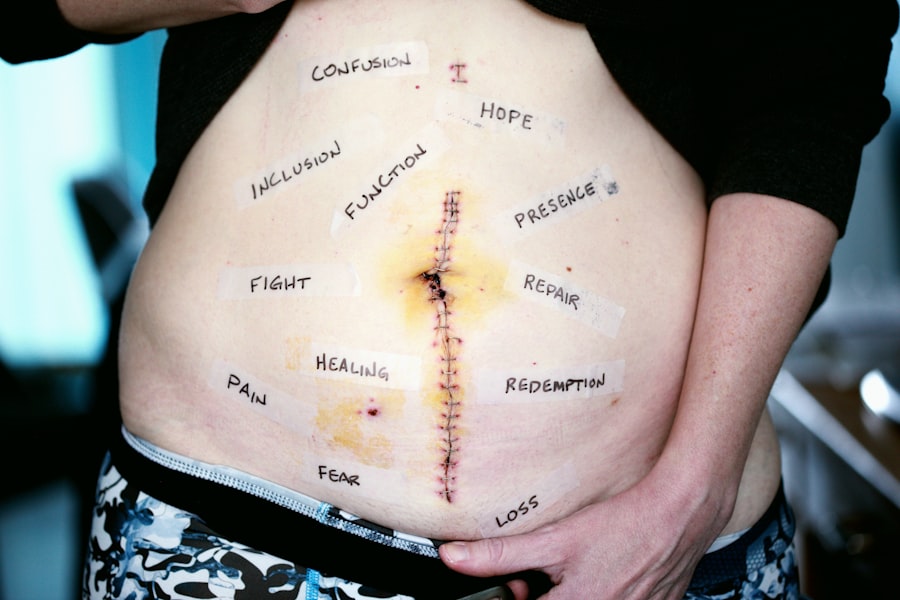
The nervous system plays a crucial role in how we process trauma and sensory input. When you experience trauma, your body can become stuck in a state of hyperarousal or hypoarousal. Hyperarousal is characterized by heightened alertness and anxiety, while hypoarousal may manifest as numbness or disconnection. Both states are responses to overwhelming experiences and can significantly impact your ability to engage with the world around you.
Understanding how trauma input affects your nervous system can empower you to take steps toward regulation. For instance, when you notice signs of hyperarousal—such as racing thoughts or an increased heart rate—you might benefit from grounding techniques that help bring you back into your body. Conversely, if you find yourself in a state of hypoarousal, gentle movement or sensory stimulation can help reawaken your senses and foster a sense of safety. By learning to recognize these patterns, you can begin to navigate your experiences with greater awareness and compassion.
Recognizing Signs of Nervous Overload in Trauma Survivors

Recognizing the signs of nervous overload is an essential skill for anyone navigating the aftermath of trauma. You may notice physical symptoms such as tension in your muscles, shallow breathing, or an increased heart rate. Emotionally, you might feel irritable, anxious, or overwhelmed by feelings that seem disproportionate to the situation at hand. These signs are your body’s way of communicating that it needs support and care.
It’s important to approach these signs with curiosity rather than judgment. When you notice yourself feeling overwhelmed, take a moment to pause and check in with your body. What sensations are present? Are there specific triggers that seem to amplify your feelings? By cultivating this awareness, you can begin to identify patterns in your responses and develop strategies for managing nervous overload more effectively.
In exploring the complexities of trauma, it’s essential to consider various therapeutic approaches that address the sensory experiences associated with it. One such method gaining attention is ketamine-assisted psychotherapy, which has shown promise in helping individuals process traumatic memories and emotions. For a deeper understanding of this innovative treatment, you can read more about it in this insightful article on ketamine-assisted psychotherapy. This approach highlights the importance of integrating sensory experiences into the healing process, offering new hope for those affected by trauma.
Coping Strategies for Sensory Overwhelm in Trauma Recovery
| Metric | Description | Typical Range/Value | Relevance to Trauma |
|---|---|---|---|
| Heart Rate Variability (HRV) | Variation in time interval between heartbeats | 20-200 ms (normal range) | Lower HRV often indicates heightened stress response in trauma survivors |
| Skin Conductance Level (SCL) | Measure of sweat gland activity reflecting autonomic arousal | 0.5-20 microsiemens | Elevated SCL can indicate hyperarousal or anxiety linked to trauma |
| Startle Reflex Magnitude | Intensity of involuntary response to sudden stimuli | Variable; increased in trauma-exposed individuals | Heightened startle response is common in PTSD and trauma survivors |
| Somatic Symptom Reporting | Frequency and intensity of physical symptoms without medical cause | Varies widely | Increased somatic complaints often accompany trauma-related disorders |
| Proprioceptive Awareness | Ability to sense body position and movement | Measured via clinical tests; often reduced in trauma | Trauma can disrupt body awareness, affecting proprioception |
| Interoceptive Sensitivity | Awareness of internal bodily sensations (e.g., heartbeat, breathing) | Varies; often altered in trauma survivors | Altered interoception can contribute to emotional dysregulation post-trauma |
Coping with sensory overwhelm is an integral part of trauma recovery. One effective strategy is to create a sensory toolkit tailored to your needs. This might include items that provide comfort or grounding, such as soft fabrics, calming scents, or soothing sounds. Having these tools readily available can help you navigate overwhelming moments with greater ease.
Another helpful practice is mindfulness meditation focused on sensory awareness. By taking time to engage with your senses—whether through mindful breathing, noticing the texture of an object, or listening intently to sounds around you—you can cultivate a sense of presence that counteracts feelings of overwhelm. These small moments of connection with your body can serve as anchors during challenging times, reminding you that you have the capacity to navigate your experiences with grace and resilience.
The Role of Sensory Processing in Trauma Healing
Sensory processing plays a vital role in trauma healing because it allows you to reconnect with your body and its innate wisdom. When trauma disrupts your ability to process sensory information effectively, it can lead to feelings of disconnection and dysregulation. By focusing on sensory experiences during your healing journey, you can begin to restore balance and foster a sense of safety within yourself.
Engaging in activities that promote healthy sensory processing can be incredibly beneficial. This might include practices like yoga, dance, or art therapy—each offering unique opportunities for self-expression and connection with your body. As you explore these activities, pay attention to how they make you feel physically and emotionally. This awareness can help you identify what resonates with you and supports your healing process.
Addressing Nervous Overload in Trauma Therapy
In therapy, addressing nervous overload is crucial for creating a safe space for healing. A skilled therapist will understand the importance of pacing and will work collaboratively with you to identify triggers and develop coping strategies tailored to your unique experiences. This process may involve exploring the connections between your sensory experiences and emotional responses, allowing for deeper insights into how trauma has shaped your life.
It’s essential to communicate openly with your therapist about what feels overwhelming for you during sessions. This dialogue can help create a more attuned therapeutic relationship where you feel heard and supported. Remember that healing is not linear; it’s a journey filled with ups and downs. By addressing nervous overload within the therapeutic context, you can cultivate resilience and develop tools that empower you beyond the therapy room.
Sensory-Based Interventions for Trauma Survivors
Sensory-based interventions offer powerful tools for trauma survivors seeking relief from overwhelming sensations and emotions. Techniques such as grounding exercises—where you focus on physical sensations like the feeling of your feet on the ground—can help anchor you in the present moment. Other interventions might include using weighted blankets for comfort or engaging in rhythmic movements that promote relaxation.
Incorporating sensory-based practices into your daily routine can also enhance your overall well-being. Simple activities like taking mindful walks in nature, practicing deep breathing exercises, or engaging in creative expression through art or music can provide valuable outlets for processing emotions and reconnecting with your body. These practices invite you to explore what feels nourishing and supportive for you as you navigate your healing journey.
The Connection Between Sensory Triggers and Trauma Responses
Understanding the connection between sensory triggers and trauma responses is key to navigating emotional overwhelm effectively. A sensory trigger is any stimulus—such as a sound, smell, or visual cue—that evokes a strong emotional reaction based on past experiences. For example, the smell of smoke might remind you of a traumatic event related to fire, leading to feelings of anxiety or panic.
By identifying your specific sensory triggers, you can begin to develop strategies for managing their impact on your emotional state. This might involve creating a plan for how to respond when faced with triggers or practicing grounding techniques that help bring you back into the present moment. Remember that it’s okay to take time to process these experiences; healing is not about rushing but rather about honoring your journey at your own pace.
Creating Safe Spaces for Trauma Survivors to Manage Sensory Overwhelm
Creating safe spaces is essential for trauma survivors seeking relief from sensory overwhelm. A safe space is one where you feel comfortable expressing yourself without fear of judgment or re-traumatization. This could be a physical space—like a cozy corner in your home filled with comforting items—or an emotional space created through supportive relationships where you feel seen and heard.
In these safe spaces, allow yourself the freedom to explore what helps soothe your senses during moments of overwhelm. This might include dimming the lights, playing calming music, or surrounding yourself with familiar scents that evoke feelings of safety and comfort. By intentionally crafting these environments, you empower yourself to navigate challenging moments with greater ease and resilience.
Empowering Trauma Survivors to Regain Control Over Nervous Overload
Empowerment is a vital aspect of healing from trauma and regaining control over nervous overload. As you learn more about how trauma affects your body and mind, you can begin to reclaim agency over your experiences. This process involves recognizing that while trauma may have shaped your responses, it does not define who you are or limit your potential for growth.
Engaging in self-compassion practices can be particularly empowering as you navigate this journey. Remind yourself that it’s okay to have difficult days and that healing takes time. Celebrate small victories along the way—whether it’s recognizing a trigger before it overwhelms you or finding comfort in a grounding technique that works for you. By fostering this sense of empowerment within yourself, you create space for resilience and growth as you continue on your path toward healing and wholeness.
In conclusion, understanding the sensory side of trauma opens up new avenues for healing and connection with yourself. By recognizing how sensory overwhelm impacts your nervous system and developing coping strategies tailored to your needs, you can navigate the complexities of trauma recovery with greater ease and compassion. Remember that this journey is uniquely yours; honor each step along the way as you cultivate resilience and reclaim control over your experiences.
FAQs
What is the sensory side of trauma?
The sensory side of trauma refers to how traumatic experiences affect the brain’s processing of sensory information, including sights, sounds, smells, tastes, and physical sensations. Trauma can heighten or distort sensory perceptions, leading to increased sensitivity or numbness.
How does trauma impact the brain’s sensory processing?
Trauma can alter the way the brain processes sensory input by affecting areas such as the amygdala, hippocampus, and sensory cortex. This can result in heightened alertness to sensory stimuli, difficulty filtering out irrelevant information, or sensory overload.
What are common sensory symptoms experienced by trauma survivors?
Common sensory symptoms include hypersensitivity to noise or touch, flashbacks triggered by specific sensory cues, numbness or dissociation from bodily sensations, and difficulty tolerating certain textures, smells, or environments.
Can sensory experiences trigger traumatic memories?
Yes, sensory experiences such as particular sounds, smells, or visual cues can act as triggers that evoke traumatic memories or emotional responses, often involuntarily and intensely.
How can understanding the sensory side of trauma aid in treatment?
Recognizing the sensory aspects of trauma can help clinicians develop targeted therapies, such as sensory integration techniques, grounding exercises, and trauma-informed sensory modulation, to help individuals manage symptoms and improve emotional regulation.