


Logic often serves as a guiding light in our lives, helping us navigate the complexities of our thoughts and experiences. When it comes to healing the nervous system, logic can provide a framework for understanding the mechanisms at play. It allows you to analyze your feelings, recognize patterns, and make sense of your reactions. This analytical approach can be particularly comforting when you feel overwhelmed by emotional turmoil or physical sensations. By breaking down your experiences into manageable parts, you can begin to identify triggers and responses, creating a clearer path toward healing.
However, while logic has its place, it is essential to remember that the journey of healing is not solely a rational endeavor. The nervous system is deeply intertwined with our emotions and bodily sensations, which often defy logical explanation. As you engage with your healing process, it’s important to balance your logical understanding with an openness to the more intuitive aspects of your experience. This dual approach can help you cultivate a deeper connection with yourself, allowing for a more holistic healing journey.
In exploring the complexities of healing the nervous system, it’s essential to recognize that while logic and reasoning play a significant role, they are not the sole components necessary for recovery. A related article that delves deeper into this topic is “The Benefits of Therapy,” which discusses how therapeutic approaches can complement logical reasoning by addressing emotional and psychological aspects of healing. For more insights, you can read the article here: The Benefits of Therapy.
Understanding the Nervous Felt Sense
The concept of the “felt sense” refers to the subtle, often unarticulated sensations that arise within your body. It is a way of tuning into the wisdom of your physical self, allowing you to access feelings that may not yet have words. This felt sense can be a powerful tool in understanding your nervous system’s state. By paying attention to these bodily sensations, you can gain insight into your emotional landscape and how it relates to your overall well-being.
To cultivate this awareness, take a moment to pause and check in with your body. Notice any areas of tension or discomfort, as well as places that feel relaxed or at ease. This practice of tuning into your felt sense can help you identify where you might be holding onto stress or trauma. As you become more attuned to these sensations, you may find that they offer valuable information about your emotional state and the needs of your nervous system. Embracing this connection can lead to greater self-awareness and a more profound understanding of your healing journey.
The Importance of Somatic Work in Healing
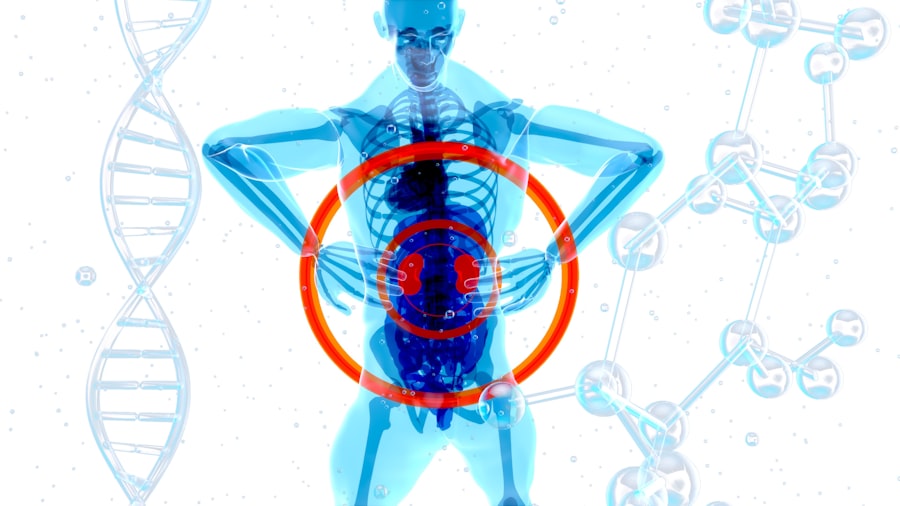
Somatic work focuses on the connection between the mind and body, emphasizing the importance of physical sensations in the healing process. Engaging in somatic practices can help you release stored tension and trauma from your body, allowing for a more integrated approach to healing. This type of work encourages you to listen to your body’s signals and respond with compassion and care.
Incorporating somatic practices into your routine can take many forms, from gentle movement and breathwork to mindfulness meditation and body scans. These practices invite you to explore how emotions manifest physically, helping you develop a deeper understanding of your nervous system’s responses. As you engage with somatic work, you may find that it fosters a sense of safety and belonging within yourself, creating space for healing and growth.
The Limitations of Logic in Trauma Recovery

While logic can provide clarity and structure, it has its limitations when it comes to trauma recovery. Trauma often resides in the body rather than the mind, making it difficult for logical reasoning alone to facilitate healing. You may find yourself stuck in a cycle of overthinking or analyzing your experiences without making meaningful progress. This is where the limitations of logic become apparent; it cannot fully address the emotional and physical aspects of trauma.
Recognizing these limitations is an essential step in your healing journey. It invites you to explore alternative approaches that honor both your mind and body. By acknowledging that logic alone may not suffice, you open yourself up to new possibilities for healing—ones that embrace the complexity of your experiences and allow for a more integrated approach.
In exploring the complexities of healing the nervous system, it’s essential to recognize that emotional and sensory experiences play a crucial role alongside logical reasoning. For a deeper understanding of how engaging with our senses can support this healing process, you might find the article on somatic therapy particularly enlightening. It discusses the importance of connecting with our five senses as a means to foster emotional well-being and resilience. You can read more about this approach in the article here.
How Trauma Impacts the Nervous System
| Aspect | Logic-Based Approach | Nervous System Healing | Why Logic Alone Falls Short |
|---|---|---|---|
| Focus | Rational thought, problem-solving | Emotional regulation, trauma processing | Logic does not address emotional and physiological states |
| Mechanism | Conscious reasoning and analysis | Autonomic nervous system balance and neuroplasticity | Healing requires subconscious and bodily processes beyond conscious logic |
| Timeframe | Immediate understanding and decision-making | Gradual rewiring and calming of nervous system | Logical insight alone cannot produce immediate nervous system changes |
| Tools | Language, facts, structured thinking | Mindfulness, somatic therapies, emotional expression | Logic lacks tools to directly influence bodily sensations and emotional states |
| Outcome | Knowledge acquisition | Emotional resilience and nervous system regulation | Knowledge does not equate to healing or emotional regulation |
Trauma has a profound impact on the nervous system, often leading to dysregulation that manifests as anxiety, hypervigilance, or emotional numbness. When faced with traumatic experiences, your body may enter a state of survival mode, activating the sympathetic nervous system and preparing you for fight or flight responses. This heightened state can become ingrained in your nervous system, making it challenging to return to a place of calm and safety.
Understanding how trauma affects your nervous system is crucial for healing. It allows you to recognize the signs of dysregulation and develop strategies for self-soothing and grounding. By learning about the physiological responses associated with trauma, you can begin to reclaim agency over your body and emotions. This knowledge empowers you to take steps toward healing, fostering resilience and a sense of safety within yourself.
In exploring the complexities of healing the nervous system, it’s important to recognize that emotional support plays a crucial role alongside logical reasoning. A related article discusses how support can manifest in various forms, emphasizing that healing is not solely a cognitive process. You can read more about this perspective in the article on mental health support, which highlights the importance of community and connection in the healing journey. For further insights, check out this article.
The Connection Between Emotions and Nervous System Healing
Emotions play a vital role in the healing process, serving as both indicators of your nervous system’s state and catalysts for change. When you experience strong emotions—whether joy, sadness, anger, or fear—your nervous system responds accordingly. By tuning into these emotional responses, you can gain valuable insights into what your body needs for healing.
As you navigate your emotional landscape, consider how different feelings manifest physically within your body. Do certain emotions create tension in specific areas? Do they evoke sensations of warmth or heaviness? By exploring this connection between emotions and bodily sensations, you can cultivate greater awareness and understanding of your nervous system’s needs. This awareness can guide you toward practices that promote emotional regulation and support your overall well-being.
The Role of Mind-Body Practices in Nervous System Healing
Mind-body practices are essential tools for nurturing a healthy nervous system. These practices—such as yoga, tai chi, or mindful movement—encourage you to connect with your body while fostering awareness of your thoughts and emotions. Engaging in mind-body practices can help you cultivate a sense of presence and grounding, allowing for deeper exploration of your inner landscape.
Incorporating these practices into your daily routine can create opportunities for self-discovery and healing. As you move through different postures or engage in mindful breathing exercises, pay attention to how your body feels in each moment. This connection can help you release tension and promote relaxation within your nervous system. Over time, these practices can enhance your resilience and support emotional regulation, creating a solid foundation for healing.
The Complexities of Nervous System Regulation
Nervous system regulation is a complex process influenced by various factors, including past experiences, current stressors, and individual coping mechanisms. Each person’s journey toward regulation is unique, shaped by their history and personal circumstances. As you navigate this complexity, it’s essential to approach yourself with patience and compassion.
Recognizing that regulation is not a linear process can help alleviate feelings of frustration or inadequacy. There will be moments when you feel grounded and at ease, followed by times when dysregulation surfaces again. Embracing this ebb and flow allows you to honor your journey without judgment. By cultivating self-compassion during challenging moments, you create space for growth and healing.
The Need for Holistic Approaches in Nervous System Healing
A holistic approach to nervous system healing recognizes the interconnectedness of mind, body, and spirit. It acknowledges that true healing involves addressing not only the physical symptoms but also the emotional and psychological aspects of trauma. By embracing this comprehensive perspective, you can create a more balanced path toward recovery.
Incorporating various modalities—such as therapy, somatic practices, mindfulness techniques, and community support—can enhance your healing journey. Each approach offers unique insights and tools that contribute to a more profound understanding of yourself and your experiences. By weaving together these different threads of healing, you create a rich tapestry that honors all aspects of who you are.
The Importance of Self-Compassion in Nervous System Healing
Self-compassion is a cornerstone of nervous system healing. It invites you to treat yourself with kindness and understanding during difficult moments rather than succumbing to self-criticism or judgment. When navigating trauma or emotional overwhelm, practicing self-compassion allows you to acknowledge your struggles without adding layers of shame or guilt.
As you cultivate self-compassion, consider how it influences your relationship with your nervous system. When faced with dysregulation or challenging emotions, remind yourself that it’s okay to feel what you’re feeling. Allowing space for self-compassion creates an environment where healing can flourish—a place where you can honor your experiences without fear or resistance.
Integrating Logic with Emotional and Somatic Approaches
The journey toward nervous system healing is most effective when it embraces both logic and emotional/somatic approaches. By integrating these perspectives, you create a more comprehensive understanding of yourself and your experiences. Logic provides clarity and structure while emotional awareness and somatic practices offer depth and connection.
As you move forward on this path, consider how each approach complements the other. Use logic to analyze patterns in your behavior while also tuning into the felt sense within your body. Allow emotional insights to inform your understanding while grounding yourself in rational thought when needed. This integration fosters resilience and empowers you to navigate the complexities of healing with grace and compassion.
In conclusion, as you embark on this journey toward nervous system healing, remember that it is not solely about logic or emotion but rather about finding harmony between the two. Embrace the wisdom of your body while honoring the insights of your mind. With patience, self-compassion, and an openness to exploration, you can cultivate a deeper connection with yourself—a connection that supports emotional regulation, resilience, and an enduring sense of belonging within yourself.
FAQs
1. Why is logic alone insufficient for healing the nervous system?
Logic primarily engages the rational mind, but the nervous system is influenced by emotional, physiological, and subconscious factors that logic alone cannot address. Healing often requires a holistic approach that includes emotional regulation, physical therapies, and sometimes psychological support.
2. What role do emotions play in nervous system health?
Emotions significantly impact the nervous system by affecting stress levels, hormone release, and neural pathways. Chronic emotional stress can lead to nervous system dysregulation, making emotional healing an essential component of nervous system recovery.
3. Can therapies other than logical reasoning aid in nervous system healing?
Yes, therapies such as mindfulness, meditation, somatic experiencing, physical therapy, and biofeedback can help regulate the nervous system by addressing both the body and mind, beyond what logical reasoning alone can achieve.
4. How does the nervous system respond to non-logical interventions?
Non-logical interventions like relaxation techniques, breathing exercises, and emotional processing can activate the parasympathetic nervous system, reduce stress responses, and promote neural plasticity, facilitating healing and balance.
5. Is it possible to combine logic with other methods for better nervous system health?
Absolutely. Combining logical understanding with emotional awareness, physical care, and therapeutic practices creates a comprehensive approach that supports nervous system healing more effectively than logic alone.