

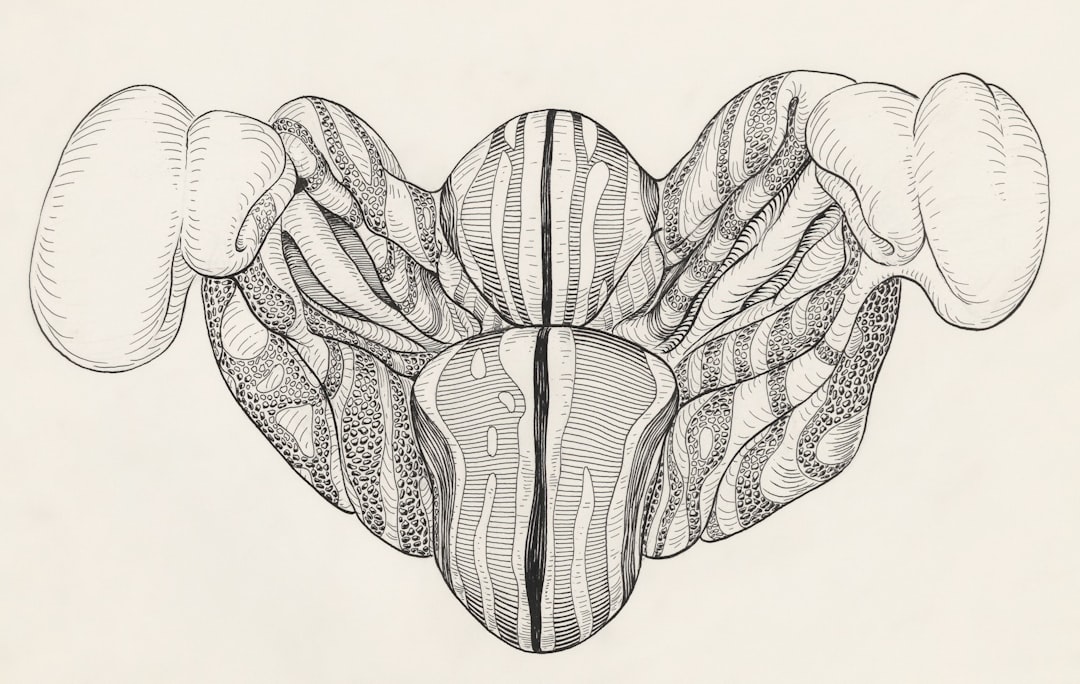
The nervous system is a remarkable and intricate network that serves as the body’s communication highway. It consists of two main parts: the central nervous system (CNS), which includes the brain and spinal cord, and the peripheral nervous system (PNS), which extends throughout the body. This complex system is responsible for processing sensory information, regulating bodily functions, and facilitating our responses to the world around us. When you take a moment to tune into your body, you may notice how your nervous system is constantly at work, even when you are not consciously aware of it. It is this silent yet powerful force that shapes your experiences, emotions, and reactions.
Understanding the nervous system is essential for anyone navigating the challenges of trauma, burnout, or emotional overwhelm. It helps to recognize that your body is not just a vessel but a source of wisdom and safety. The nervous system operates on a spectrum, ranging from states of calm and safety to those of stress and danger. When you learn to listen to your body’s signals, you can begin to identify where you are on this spectrum and how to gently guide yourself back toward a state of balance. This awareness is the first step in fostering a deeper connection with yourself and nurturing your emotional well-being.
In exploring the complexities of our nervous system and the importance of support rather than seeking a quick fix, it’s valuable to consider the insights provided in the article on the benefits of therapy. This resource highlights how therapeutic practices can aid in managing stress and enhancing emotional well-being, aligning with the idea that our nervous system thrives when supported through various methods. For more information, you can read the article here: Benefits of Therapy.
The Impact of Trauma on the Nervous System
Trauma can have profound effects on the nervous system, often leading to dysregulation that manifests in various ways. When you experience trauma, whether it be a single event or prolonged exposure to stress, your nervous system can become stuck in a heightened state of alertness. This state, often referred to as hyperarousal, can leave you feeling anxious, irritable, or easily startled. You may find it challenging to relax or feel safe in your own body, as your nervous system remains on high alert, ready to respond to perceived threats.
Conversely, some individuals may experience hypoarousal, where the nervous system becomes overwhelmed and shuts down. This can manifest as feelings of numbness, disconnection, or fatigue. You might find yourself withdrawing from activities you once enjoyed or feeling emotionally flat. Understanding these responses is crucial for recognizing how trauma has shaped your relationship with your body and emotions. By acknowledging these patterns, you can begin to cultivate compassion for yourself and take steps toward healing.
The Role of Somatic Growth in Nervous System Support
Somatic growth refers to the process of reconnecting with your body and its sensations as a means of healing and self-discovery. This approach emphasizes the importance of bodily awareness in supporting the nervous system. When you engage in somatic practices, you invite yourself to explore the physical sensations associated with your emotions and experiences. This exploration can be both grounding and liberating, allowing you to reclaim a sense of agency over your body and mind.
As you embark on this journey of somatic growth, consider incorporating simple practices into your daily routine. For instance, you might take a few moments each day to check in with your body—notice where you feel tension or discomfort and breathe into those areas. This practice not only fosters awareness but also encourages gentle release. By honoring your body’s wisdom, you create space for healing and resilience to flourish within your nervous system.
The Myth of Fixing the Nervous System

In our fast-paced world, there is often an underlying pressure to “fix” ourselves or our nervous systems quickly. This myth can lead to feelings of inadequacy or frustration when healing doesn’t happen as swiftly as we desire. It’s important to recognize that the journey toward nervous system regulation is not about achieving perfection but rather about cultivating a deeper understanding of yourself and your needs. Healing is not linear; it ebbs and flows like the tides.
Embracing this perspective allows you to approach your healing journey with gentleness and patience. Instead of striving for an end goal, focus on small, meaningful changes that support your well-being. Celebrate each step forward, no matter how small it may seem. By shifting your mindset from fixing to nurturing, you create a more compassionate relationship with yourself—one that honors your unique path toward healing.
In exploring the complexities of our nervous system, it’s essential to recognize that while it cannot be “fixed,” it can certainly be supported through various practices and approaches. A related article that delves into the importance of modeling behaviors for children can provide valuable insights into how our interactions shape their development. You can read more about this topic in the article on modeling behaviors for your child, which emphasizes the role of parental influence in fostering emotional resilience and well-being.
Supporting Your Nervous System Through Self-Care Practices
| Aspect | Description | Support Strategies | Expected Outcome |
|---|---|---|---|
| Nervous System Function | Complex network controlling body and mind responses | Mindfulness, regulated breathing, physical activity | Improved regulation and resilience |
| Neuroplasticity | Ability of the nervous system to adapt and change | Learning new skills, therapy, meditation | Enhanced adaptability and coping mechanisms |
| Stress Response | Activation of sympathetic nervous system under stress | Relaxation techniques, adequate sleep, social support | Reduced chronic stress and anxiety levels |
| Autonomic Balance | Balance between sympathetic and parasympathetic systems | Yoga, deep breathing, balanced nutrition | Better heart rate variability and calmness |
| Chronic Dysregulation | Persistent nervous system imbalance leading to symptoms | Professional therapy, lifestyle changes, consistent self-care | Symptom management and improved quality of life |
Self-care is an essential component of supporting your nervous system and fostering emotional resilience. It encompasses a wide range of practices that prioritize your well-being and help you reconnect with yourself. Simple acts such as taking a warm bath, spending time in nature, or engaging in creative expression can have profound effects on your nervous system’s state. These practices invite relaxation and joy into your life, allowing you to recharge and restore balance.
Consider creating a self-care toolkit filled with activities that resonate with you. This could include journaling, practicing yoga or gentle movement, or even enjoying a cup of herbal tea while listening to soothing music. The key is to choose practices that feel nourishing rather than obligatory. By intentionally carving out time for self-care, you send a powerful message to your nervous system: that you are worthy of love and care.
The Importance of Therapy and Counseling in Nervous System Support
While self-care practices are invaluable, seeking support from a therapist or counselor can provide additional guidance on your healing journey. A trained professional can help you navigate the complexities of trauma and its impact on your nervous system. They offer a safe space for exploration and validation, allowing you to process your experiences at your own pace.
Therapy can also introduce you to various techniques for regulating your nervous system, such as mindfulness practices or cognitive-behavioral strategies. These tools empower you to develop greater emotional awareness and resilience over time. Remember that seeking help is not a sign of weakness but rather an act of courage—a commitment to prioritizing your well-being and growth.
Holistic Approaches to Nervous System Support
Holistic approaches recognize that healing involves addressing the whole person—mind, body, and spirit. Integrating various modalities can enhance your journey toward nervous system support. Practices such as acupuncture, massage therapy, or energy work can help release stored tension in the body and promote relaxation. These approaches honor the interconnectedness of your physical and emotional well-being.
Additionally, consider exploring nutrition as a means of supporting your nervous system. Foods rich in omega-3 fatty acids, antioxidants, and vitamins can nourish both your body and mind. Mindful eating practices—such as savoring each bite or tuning into hunger cues—can also foster a deeper connection with yourself and promote overall well-being.
The Connection Between Mindfulness and Nervous System Regulation
Mindfulness is a powerful tool for regulating the nervous system and cultivating emotional awareness. By practicing mindfulness, you learn to observe your thoughts and feelings without judgment, creating space for acceptance and understanding. This practice encourages you to stay present in the moment rather than becoming overwhelmed by past traumas or future anxieties.
Incorporating mindfulness into your daily routine can be as simple as taking a few deep breaths before starting your day or setting aside time for meditation. You might also practice mindful walking—paying attention to each step and the sensations in your body as you move through space. These small moments of mindfulness can help ground you in the present and foster a sense of safety within yourself.
Nervous System Support Through Body-Based Therapies
Body-based therapies focus on the connection between physical sensations and emotional experiences, offering valuable support for the nervous system. Techniques such as somatic experiencing or trauma-informed yoga encourage you to explore how emotions manifest in the body. By tuning into these sensations, you can begin to release stored tension and trauma held within.
Consider exploring body-based therapies that resonate with you—whether it’s attending a somatic workshop or participating in trauma-informed yoga classes. These practices invite you to reconnect with your body in a safe and supportive environment, fostering healing through movement and awareness.
Building Resilience in the Nervous System
Resilience is not just about bouncing back from adversity; it’s about developing the capacity to navigate challenges with grace and strength. Building resilience within your nervous system involves cultivating self-awareness, emotional regulation skills, and supportive relationships. As you learn to recognize your triggers and responses, you empower yourself to respond rather than react.
Engaging in practices that promote resilience—such as gratitude journaling or connecting with supportive friends—can enhance your ability to cope with stressors over time. Remember that resilience is a skill that can be nurtured; it grows through consistent practice and self-compassion.
Embracing Nervous System Support as a Lifelong Journey
As you navigate the complexities of life, it’s essential to embrace nervous system support as a lifelong journey rather than a destination. Healing takes time; it unfolds at its own pace, often requiring patience and gentleness along the way. By committing to this journey, you honor yourself and acknowledge the importance of nurturing your well-being.
Allow yourself the grace to explore different practices, seek support when needed, and celebrate each step forward—no matter how small it may seem. Remember that every moment spent tending to your nervous system is an investment in your overall health and happiness. Embrace this journey with an open heart; it is one filled with opportunities for growth, connection, and profound self-discovery.
FAQs
What does it mean that the nervous system can’t be “fixed”?
The nervous system is a complex network of nerves and cells that transmit signals throughout the body. It cannot be “fixed” in the traditional sense because it is not a mechanical system that can be repaired or replaced. Instead, it can be supported and maintained through healthy lifestyle choices and therapeutic interventions.
How can the nervous system be supported?
The nervous system can be supported by practices such as regular exercise, proper nutrition, adequate sleep, stress management techniques, and therapies like physical therapy or counseling. These approaches help maintain nervous system health and improve its function.
Why is it important to support the nervous system?
Supporting the nervous system is crucial because it controls bodily functions, including movement, sensation, and cognition. A well-supported nervous system helps improve overall health, resilience to stress, and recovery from injuries or neurological conditions.
Can lifestyle changes improve nervous system function?
Yes, lifestyle changes such as reducing stress, eating a balanced diet rich in essential nutrients, engaging in regular physical activity, and getting sufficient rest can enhance nervous system function and promote neural plasticity.
Are there medical treatments that help support the nervous system?
Medical treatments like physical therapy, occupational therapy, medications, and counseling can help manage symptoms and support nervous system health. These treatments focus on improving function and quality of life rather than “fixing” the nervous system outright.