

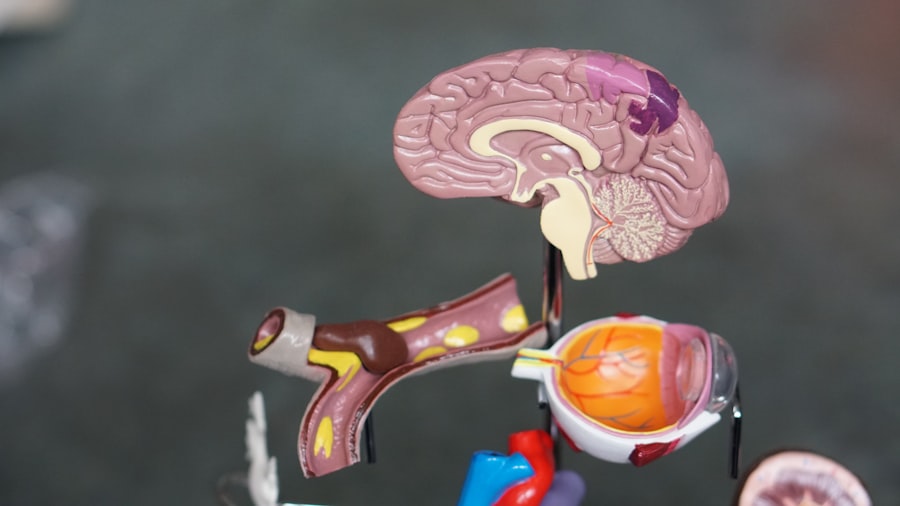
The nervous system is a complex network that plays a crucial role in how we experience the world around us. It is responsible for processing sensory information, regulating bodily functions, and responding to stressors. At its core, the nervous system is divided into two main parts: the central nervous system (CNS), which includes the brain and spinal cord, and the peripheral nervous system (PNS), which connects the CNS to the rest of the body. Within the PNS, there are further divisions, including the somatic nervous system, which controls voluntary movements, and the autonomic nervous system, which manages involuntary functions like heart rate and digestion.
Understanding how your nervous system operates can be a powerful tool in your journey toward healing and emotional regulation. The autonomic nervous system is particularly important because it has two branches: the sympathetic nervous system (SNS) and the parasympathetic nervous system (PNS). The SNS is often referred to as the “fight or flight” system, activating your body’s stress response in times of danger or perceived threat. In contrast, the PNS is known as the “rest and digest” system, promoting relaxation and recovery. Recognizing when your body is in a state of activation versus relaxation can help you navigate your emotional landscape more effectively.
The Importance of Regulating the Nervous System
Regulating your nervous system is essential for maintaining emotional balance and overall well-being. When your nervous system is dysregulated—often due to trauma, chronic stress, or overwhelming emotions—you may experience symptoms such as anxiety, irritability, fatigue, or even physical discomfort. These sensations can create a cycle of distress that feels difficult to escape. By learning to regulate your nervous system, you can cultivate a sense of safety within yourself, allowing you to respond to life’s challenges with greater resilience.
Moreover, a well-regulated nervous system enhances your ability to connect with others and engage fully in life. When you feel grounded and calm, you are more likely to experience positive emotions and foster meaningful relationships. This connection to yourself and others is vital for healing from trauma or burnout. By prioritizing nervous system regulation, you are not only nurturing your own well-being but also creating a ripple effect that can positively impact those around you.
Gentle Practices for Grounding and Calming the Nervous System
Grounding practices are simple yet effective ways to reconnect with your body and the present moment. These techniques can help anchor you when feelings of anxiety or overwhelm arise. One gentle practice involves focusing on your feet. Take a moment to notice how they feel against the ground. You might try wiggling your toes or pressing your feet firmly into the floor. This physical connection can remind you that you are safe and supported by the earth beneath you.
Another grounding technique is to engage your senses. Take a few moments to observe your surroundings—what do you see, hear, smell, or feel? By tuning into your environment, you can shift your focus away from racing thoughts or emotional turmoil. You might even consider carrying a small object with you that brings you comfort—a smooth stone or a piece of fabric—to hold when you need a reminder of safety and presence.
Deep Breathing Techniques for Nervous System Regulation
Deep breathing is one of the most accessible tools for calming your nervous system. When you take slow, intentional breaths, you signal to your body that it is safe to relax. One effective technique is called diaphragmatic breathing. To practice this, find a comfortable position—either sitting or lying down—and place one hand on your chest and the other on your belly. As you inhale deeply through your nose, allow your belly to rise while keeping your chest relatively still. Exhale slowly through your mouth, feeling your belly fall. Repeat this process several times, focusing on the rhythm of your breath.
Another helpful breathing technique is the 4-7-8 method. Inhale through your nose for a count of four, hold your breath for a count of seven, and then exhale through your mouth for a count of eight. This pattern not only calms the mind but also helps activate the parasympathetic nervous system, promoting relaxation. You may find it beneficial to practice these techniques regularly, especially during moments of stress or anxiety.
Mindfulness and Meditation for Nervous System Regulation
| Practice | Description |
|---|---|
| Deep Breathing | Focusing on slow, deep breaths to activate the parasympathetic nervous system. |
| Mindfulness Meditation | Bringing awareness to the present moment to reduce stress and anxiety. |
| Yoga | Combining movement and breath to promote relaxation and reduce tension. |
| Progressive Muscle Relaxation | Tensing and relaxing different muscle groups to release physical tension. |
| Guided Imagery | Using visualization techniques to create a sense of calm and safety. |
Mindfulness and meditation are powerful practices that can help regulate your nervous system by fostering awareness and acceptance of your thoughts and feelings. Mindfulness encourages you to be present in the moment without judgment, allowing you to observe your experiences rather than becoming overwhelmed by them. You might start by setting aside just a few minutes each day to sit quietly and focus on your breath or the sensations in your body.
Meditation can take many forms—guided meditations, loving-kindness practices, or simply sitting in silence with your thoughts. The key is to find a practice that resonates with you and feels manageable. As you cultivate mindfulness, you may notice an increased ability to respond to stressors with clarity and calmness rather than reactivity.
Yoga and Stretching for Grounding and Relaxation
Yoga offers a beautiful way to connect with your body while promoting relaxation and grounding. The combination of movement, breath, and mindfulness in yoga can help release tension stored in the body and calm an overactive mind. You don’t need to be an experienced yogi to benefit from this practice; even gentle stretches can have a profound impact on your nervous system.
Consider incorporating simple poses such as Child’s Pose or Legs-Up-the-Wall into your routine. These restorative positions encourage relaxation and help activate the parasympathetic nervous system. As you move through these poses, focus on your breath and allow yourself to be present in each moment. This practice not only nurtures your body but also fosters a deeper connection with yourself.
Self-Massage and Acupressure for Nervous System Regulation
Self-massage and acupressure are wonderful ways to soothe your nervous system while promoting relaxation and self-care. By applying gentle pressure to specific points on your body, you can release tension and encourage a sense of calm. For instance, consider massaging the area between your eyebrows or gently pressing on the base of your skull—these points can help alleviate stress and anxiety.
You might also explore self-massage techniques for areas where you tend to hold tension, such as your shoulders or neck. Use your fingers to knead these areas gently, paying attention to any sensations that arise. This practice not only helps release physical tension but also fosters a sense of connection with your body—a reminder that you are deserving of care and compassion.
Nature Therapy and Earthing for Grounding the Nervous System
Spending time in nature can be incredibly grounding for your nervous system. Nature therapy—also known as ecotherapy—encourages you to immerse yourself in natural surroundings, allowing the sights, sounds, and smells of nature to soothe your senses. Whether it’s taking a walk in a park or simply sitting under a tree, being outdoors can help reduce stress levels and promote feelings of well-being.
Earthing, or grounding, involves connecting directly with the earth’s surface by walking barefoot on grass or sand. This practice is believed to help balance energy levels in the body while reducing inflammation and promoting relaxation. As you walk barefoot, take a moment to notice how the ground feels beneath your feet—the coolness of grass or warmth of sand can serve as a gentle reminder of your connection to the earth.
Herbal Remedies and Aromatherapy for Nervous System Regulation
Herbal remedies and aromatherapy can offer additional support for regulating your nervous system. Certain herbs like chamomile, lavender, and valerian root have calming properties that may help ease anxiety and promote relaxation. You might consider sipping herbal teas made from these ingredients or exploring supplements after consulting with a healthcare professional.
Aromatherapy involves using essential oils derived from plants to enhance emotional well-being. Scents like lavender or bergamot can create a calming atmosphere when diffused in your space or applied topically (diluted with a carrier oil). As you inhale these soothing aromas, allow yourself to be transported into a state of relaxation—a gentle reminder that nurturing yourself can take many forms.
Creating a Safe and Nurturing Environment for Nervous System Regulation
Your environment plays a significant role in how regulated or dysregulated your nervous system feels. Creating a safe and nurturing space at home can support emotional well-being and promote relaxation. Consider decluttering areas where you spend time; a tidy space can foster clarity and calmness.
Incorporating elements that bring you joy—such as plants, soft lighting, or comforting textures—can also enhance feelings of safety within your environment. You might create a cozy corner where you can retreat when feeling overwhelmed—a space filled with items that bring comfort or inspiration. By intentionally crafting an environment that nurtures you, you are taking an important step toward supporting your nervous system.
Seeking Professional Help for Nervous System Regulation
While self-care practices are invaluable tools for regulating your nervous system, there may be times when seeking professional help is necessary. Therapists trained in somatic experiencing or trauma-informed care can provide guidance tailored to your unique experiences and needs. They can help you explore deeper patterns within your nervous system while offering support as you navigate emotional challenges.
Remember that seeking help is not a sign of weakness; it is an act of courage and self-compassion. You deserve support on this journey toward healing and regulation. Whether through therapy, support groups, or holistic practitioners, reaching out for assistance can empower you to cultivate resilience and foster a deeper sense of belonging within yourself.
In conclusion, understanding and regulating your nervous system is an essential aspect of nurturing emotional well-being. By incorporating gentle practices into your daily life—such as deep breathing techniques, mindfulness meditation, yoga, self-massage, nature therapy, herbal remedies, creating nurturing environments, and seeking professional support—you can cultivate resilience and foster a sense of safety within yourself. Remember that this journey is unique to you; be patient with yourself as you explore these practices and discover what resonates most deeply with your own experience.
FAQs
What is the nervous system and why is it important to regulate it?
The nervous system is a complex network of nerves and cells that transmit signals between different parts of the body. It is responsible for controlling and coordinating all body functions. Regulating the nervous system is important for maintaining overall health and well-being.
What are some gentle practices to regulate the nervous system?
Gentle practices to regulate the nervous system include deep breathing exercises, meditation, yoga, tai chi, and progressive muscle relaxation. These practices can help reduce stress, anxiety, and promote a sense of calm and relaxation.
How does deep breathing help regulate the nervous system?
Deep breathing activates the body’s relaxation response, which helps to calm the nervous system. It can reduce the production of stress hormones, lower blood pressure, and promote a sense of well-being. Deep breathing also increases the supply of oxygen to the brain, which can help improve focus and concentration.
What is the role of meditation in regulating the nervous system?
Meditation can help regulate the nervous system by reducing the activity of the sympathetic nervous system, which is responsible for the body’s “fight or flight” response. It promotes the activation of the parasympathetic nervous system, which helps the body relax and restore balance.
How can yoga and tai chi benefit the nervous system?
Yoga and tai chi involve gentle movements, deep breathing, and mindfulness, which can help regulate the nervous system. These practices can reduce stress, improve mood, and enhance overall well-being. They also promote flexibility, strength, and balance, which can contribute to a healthy nervous system.