


Somatic therapy is a holistic approach that recognizes the profound connection between the mind and body. It operates on the premise that our physical sensations, emotions, and thoughts are intricately intertwined. When we experience trauma or emotional distress, these feelings can become trapped in our bodies, leading to a range of physical and psychological symptoms. Somatic therapy invites you to explore this connection, encouraging you to tune into your body’s wisdom as a pathway to healing.
In somatic therapy, the therapist guides you to become more aware of your bodily sensations, movements, and postures. This awareness can help you identify areas of tension or discomfort that may be linked to unresolved emotions or past experiences. By fostering a deeper connection with your body, somatic therapy empowers you to release pent-up emotions and cultivate a sense of safety and belonging within yourself. This process can be particularly beneficial for those navigating trauma, burnout, or emotional overwhelm, as it offers a gentle yet effective way to process and heal.
The Connection Between Somatic Therapy and Anxiety
Anxiety often manifests not just in our thoughts but also in our bodies. You may notice physical symptoms such as a racing heart, shallow breathing, or tightness in your chest when anxiety strikes. Somatic therapy addresses this connection by helping you recognize how anxiety is expressed physically. By understanding that your body holds onto these feelings, you can begin to unravel the patterns that contribute to your anxiety.
When you engage with somatic therapy, you learn to listen to your body’s signals rather than dismissing them. This practice can be transformative, as it allows you to acknowledge your anxiety without judgment. Instead of feeling overwhelmed by anxious thoughts, you can explore the sensations in your body that accompany those feelings. This shift in perspective can create space for healing and self-compassion, enabling you to respond to anxiety with greater awareness and resilience.
How Somatic Therapy Addresses the Physical Manifestations of Anxiety

Somatic therapy offers a unique approach to addressing the physical manifestations of anxiety by focusing on the body’s responses. When anxiety arises, it often triggers a fight-or-flight response, leading to physical tension and discomfort. Through somatic practices, you can learn to recognize these bodily responses and develop strategies to soothe them. This process involves cultivating a sense of safety within your body, allowing you to navigate anxiety with greater ease.
One effective way somatic therapy addresses physical manifestations is through breathwork. By consciously engaging with your breath, you can activate the parasympathetic nervous system, which promotes relaxation and calmness. As you practice deep breathing techniques, you may notice a reduction in physical tension and an increased sense of grounding. This simple yet powerful practice can serve as a tool for managing anxiety in moments of overwhelm.
The Role of Body Awareness in Somatic Therapy for Anxiety
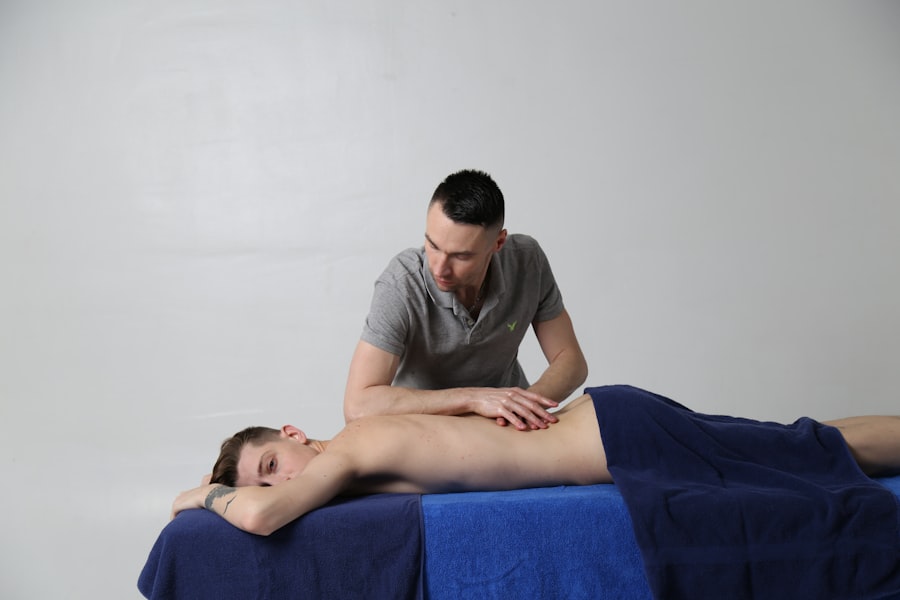
Body awareness is a cornerstone of somatic therapy, particularly when it comes to managing anxiety. By developing a heightened sense of awareness regarding your bodily sensations, you can begin to identify patterns that contribute to your anxiety. This awareness allows you to differentiate between physical sensations associated with anxiety and those that are simply part of your everyday experience.
As you cultivate body awareness, you may find that certain areas of tension or discomfort correlate with specific emotional triggers. For instance, tightness in your shoulders might signal stress related to work or relationships. By acknowledging these sensations without judgment, you create an opportunity for healing. Somatic therapy encourages you to explore these connections further, inviting you to engage with your body in a compassionate and curious manner.
Techniques Used in Somatic Therapy for Anxiety
| Benefits of Somatic Therapy for Anxiety | Explanation |
|---|---|
| Reduction of physical tension | Somatic therapy helps release physical tension stored in the body, which can contribute to anxiety. |
| Increased body awareness | It helps individuals become more aware of their bodily sensations and how they relate to their anxiety. |
| Regulation of breathing | Somatic therapy teaches techniques to regulate breathing, which can help manage anxiety symptoms. |
| Improved emotional regulation | By addressing physical sensations, somatic therapy can help individuals regulate their emotions and reduce anxiety. |
Somatic therapy employs various techniques designed to help you connect with your body and process anxiety more effectively. One common technique is grounding exercises, which involve bringing your attention to the present moment through sensory experiences. You might focus on the feeling of your feet on the ground or the texture of an object in your hand. These exercises can help anchor you in the here and now, reducing feelings of anxiety and overwhelm.
Another technique often used in somatic therapy is movement-based practices. Engaging in gentle movement—such as stretching, dancing, or even walking—can help release stored tension in your body. Movement allows for the expression of emotions that may be difficult to articulate verbally. As you move, you may find that emotions surface naturally, providing an opportunity for release and healing.
The Benefits of Somatic Therapy for Anxiety
The benefits of somatic therapy for anxiety are numerous and profound. One significant advantage is its ability to foster emotional regulation. By connecting with your body and learning to recognize physical sensations associated with anxiety, you can develop healthier coping strategies. This newfound awareness allows you to respond to anxiety with greater clarity rather than reacting impulsively.
Additionally, somatic therapy promotes resilience by encouraging self-compassion and acceptance. As you engage with your body’s wisdom, you cultivate a deeper understanding of yourself and your experiences. This process can lead to increased self-esteem and a sense of empowerment as you learn to navigate anxiety with greater confidence. Ultimately, somatic therapy offers a pathway toward healing that honors both your emotional and physical well-being.
Somatic Therapy as a Complementary Approach to Traditional Talk Therapy for Anxiety
While traditional talk therapy can be incredibly beneficial for addressing anxiety, somatic therapy offers a complementary approach that enhances the healing process. Talk therapy often focuses on cognitive patterns and verbal expression; however, it may not fully address the physical aspects of anxiety that somatic therapy targets. By integrating both approaches, you can create a more comprehensive healing experience.
Incorporating somatic therapy into your mental health journey allows for a more holistic understanding of anxiety. You may find that exploring bodily sensations alongside verbal processing deepens your insights and fosters greater emotional release. This combination can lead to more sustainable healing outcomes as you learn to navigate both the mental and physical dimensions of anxiety.
Case Studies: Somatic Therapy Success Stories in Treating Anxiety
Many individuals have found relief from anxiety through somatic therapy, illustrating its effectiveness in promoting healing and resilience. For instance, one client struggled with chronic anxiety that manifested as physical tension throughout their body. Through somatic therapy sessions focused on breathwork and movement, they learned to release stored tension and cultivate a sense of safety within themselves. Over time, they reported feeling more grounded and capable of managing their anxiety without relying solely on cognitive strategies.
Another success story involves a client who experienced panic attacks triggered by specific situations. Through somatic therapy, they explored their bodily responses during these moments of panic. By developing body awareness and practicing grounding techniques, they learned how to navigate their panic attacks with greater ease. This newfound understanding allowed them to reclaim their sense of agency and reduce the frequency of their panic attacks significantly.
Finding a Qualified Somatic Therapist for Anxiety
If you’re considering somatic therapy as part of your journey toward managing anxiety, finding a qualified therapist is essential. Look for professionals who have received specialized training in somatic practices and have experience working with clients dealing with anxiety-related issues. You might start by seeking recommendations from trusted sources or searching online directories that list certified somatic therapists.
When meeting potential therapists, trust your intuition about whether their approach resonates with you. A good therapist will create a safe space for exploration and encourage open communication about your needs and goals. Remember that finding the right fit may take time; it’s important to prioritize your comfort and sense of safety throughout this process.
Integrating Somatic Therapy into Your Anxiety Management Plan
Integrating somatic therapy into your overall anxiety management plan can enhance your ability to cope with stressors effectively. Consider incorporating regular somatic practices into your routine—whether through scheduled therapy sessions or self-guided exercises at home. Simple practices like mindful breathing or gentle movement can be woven into your daily life, providing ongoing support for emotional regulation.
Additionally, consider combining somatic therapy with other therapeutic modalities that resonate with you—such as mindfulness meditation or journaling—to create a well-rounded approach to managing anxiety. By embracing multiple strategies, you empower yourself to navigate challenges with greater resilience while honoring both your emotional and physical well-being.
The Future of Somatic Therapy for Anxiety: Research and Developments
As interest in somatic therapy continues to grow, research is increasingly highlighting its effectiveness in treating anxiety and related conditions. Emerging studies are exploring the neurobiological underpinnings of somatic practices, shedding light on how they influence brain function and emotional regulation. This research may pave the way for more widespread acceptance of somatic therapy within traditional mental health frameworks.
Looking ahead, we can anticipate further developments in training programs for therapists specializing in somatic approaches. As more practitioners embrace this holistic perspective, individuals seeking support for anxiety will have access to diverse therapeutic options that honor the mind-body connection. The future of somatic therapy holds promise not only for those navigating anxiety but also for anyone seeking deeper self-awareness and healing through embodied practices.
In conclusion, somatic therapy offers a compassionate pathway toward understanding and managing anxiety by centering the body as a source of wisdom and safety. By fostering body awareness and utilizing various techniques, individuals can cultivate resilience and emotional regulation while navigating their unique journeys toward healing.
FAQs
What is somatic therapy?
Somatic therapy is a holistic approach to therapy that focuses on the mind-body connection. It involves using the body as a resource for healing and addressing psychological issues.
How does somatic therapy help with anxiety?
Somatic therapy helps with anxiety by addressing the physical symptoms of anxiety, such as muscle tension and shallow breathing. It also helps individuals become more aware of their bodily sensations and learn to regulate their nervous system, leading to a reduction in anxiety symptoms.
What are some techniques used in somatic therapy for anxiety?
Some techniques used in somatic therapy for anxiety include breathwork, body scanning, grounding exercises, and movement-based interventions such as yoga or tai chi. These techniques help individuals become more attuned to their bodies and learn to regulate their physiological responses to stress.
Is somatic therapy effective for treating anxiety?
Research has shown that somatic therapy can be effective for treating anxiety. By addressing the physical manifestations of anxiety and promoting body awareness, somatic therapy can help individuals manage their anxiety symptoms and improve their overall well-being.
Who can benefit from somatic therapy for anxiety?
Somatic therapy can benefit anyone experiencing anxiety, regardless of the severity of their symptoms. It can be particularly helpful for individuals who have experienced trauma or have difficulty accessing and expressing their emotions through traditional talk therapy.