


Feeling safe within yourself is a fundamental aspect of emotional and mental well-being. Inner safety is not merely the absence of external threats; it is a deep-seated sense of security that resides within you. It allows you to navigate the complexities of life with a sense of calm and resilience. When you cultivate this inner sanctuary, you create a space where you can process your emotions, confront your fears, and embrace your vulnerabilities without judgment. Recognizing the importance of this inner safety is the first step toward nurturing a more balanced and fulfilling life.
The impact of inner safety on your mental and emotional well-being cannot be overstated. When you feel safe within, you are more equipped to handle stressors and challenges that arise. You may find that your reactions to difficult situations become more measured and thoughtful rather than impulsive or defensive. This sense of safety fosters emotional regulation, allowing you to respond to life’s ups and downs with greater clarity and composure. As you deepen your understanding of inner safety, you may notice a shift in how you relate to yourself and the world around you, paving the way for healing and growth.
Cultivating Self-Compassion
Self-compassion is a powerful tool for nurturing a sense of inner safety. It involves treating yourself with the same kindness and understanding that you would offer to a dear friend in times of distress. When you practice self-compassion, you create a gentle space for your feelings, acknowledging that it is okay to struggle and that you are not alone in your experiences. This practice can be particularly transformative when navigating trauma or emotional overwhelm, as it allows you to validate your feelings without judgment.
In moments of distress, it can be easy to fall into self-criticism or harsh judgment. However, learning to be kind and understanding towards yourself can shift this narrative. Instead of berating yourself for feeling overwhelmed, try to approach your emotions with curiosity and compassion. Ask yourself what you need in that moment—perhaps a comforting word, a moment of stillness, or simply the acknowledgment that it’s okay to feel what you’re feeling. By cultivating self-compassion, you reinforce your inner safety, creating a nurturing environment where healing can take place.
Embracing Mindfulness

Mindfulness is a practice that invites you to stay present and grounded in the moment, fostering a sense of inner calm amidst the chaos of life. By engaging in mindfulness techniques, you can cultivate awareness of your thoughts, feelings, and bodily sensations without judgment. This practice encourages you to observe your experiences as they arise, allowing you to create space between yourself and your reactions. In doing so, you may find that your emotional responses become less overwhelming and more manageable.
One effective way to embrace mindfulness is through mindful breathing and body scans. Take a few moments each day to focus on your breath—inhale deeply through your nose, hold for a moment, and exhale slowly through your mouth. As you breathe, bring your attention to different parts of your body, noticing any areas of tension or discomfort. This simple practice can help ground you in the present moment, creating a sense of safety as you reconnect with your body. By incorporating mindfulness into your daily routine, you cultivate resilience and foster a deeper connection with yourself.
Setting Boundaries
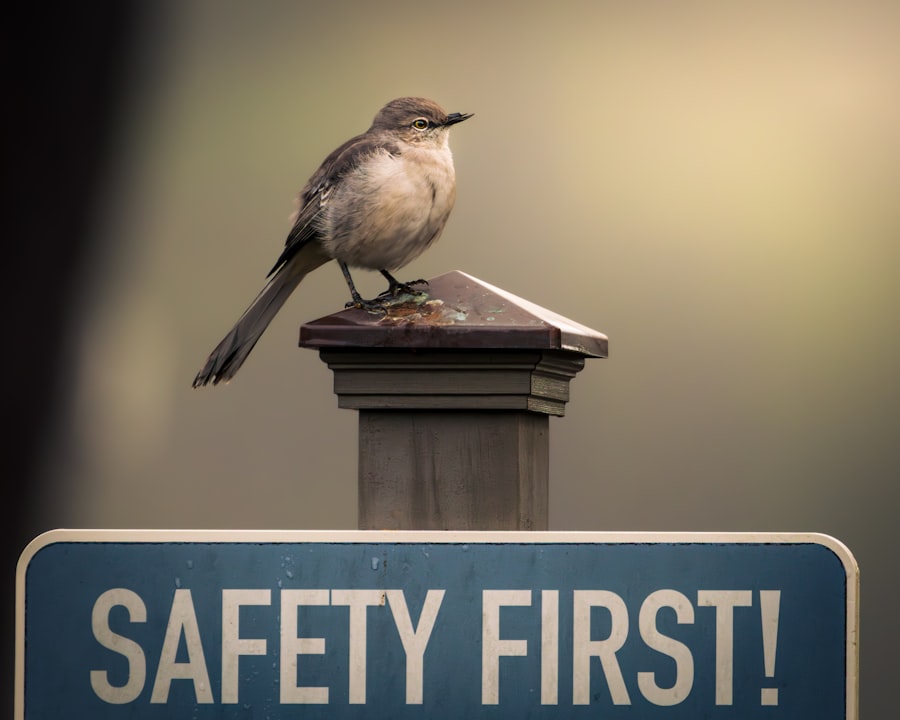
Establishing healthy boundaries is essential for protecting your emotional and mental well-being. Boundaries are not walls that isolate you; rather, they are guidelines that define what is acceptable for you in relationships and situations. When you set clear boundaries, you communicate your needs and values to others, creating an environment where you feel respected and safe. This practice is particularly important for those who may have experienced trauma or burnout, as it allows you to reclaim your sense of agency.
Learning to say no can be challenging, especially if you are accustomed to prioritizing others’ needs over your own. However, it is crucial to recognize that saying no is not an act of selfishness; it is an affirmation of your own worth and well-being. By prioritizing your own needs and comfort, you create space for self-care and healing. Remember that it is okay to take a step back from commitments or relationships that drain your energy or compromise your sense of safety. As you establish these boundaries, you may find that your inner safety strengthens, allowing you to engage more fully with the world around you.
Seeking Support
| Aspect | Metric |
|---|---|
| Physical Safety | Feeling secure in your environment |
| Emotional Safety | Being able to express emotions without fear |
| Trust | Believing in the reliability of oneself and others |
| Self-compassion | Being kind and understanding towards oneself |
| Boundaries | Setting and respecting personal limits |
Reaching out for support is an important aspect of nurturing inner safety. You do not have to navigate life’s challenges alone; connecting with trusted friends, family members, or professionals can provide a sense of security during difficult times. Sharing your experiences with someone who listens without judgment can be incredibly validating and comforting. It reminds you that you are not alone in your struggles and that there are people who care about your well-being.
Building a support network is essential for feeling safe and secure in times of need. Surround yourself with individuals who uplift and encourage you, creating an environment where vulnerability is welcomed. Whether it’s through regular check-ins with friends or seeking guidance from a therapist, having a support system can help reinforce your sense of inner safety. Remember that seeking support is a sign of strength; it demonstrates your commitment to prioritizing your emotional health and well-being.
Practicing Gratitude
Cultivating gratitude can significantly enhance your sense of inner safety and contentment. When you focus on the positive aspects of your life, even amidst challenges, you create a mental shift that fosters resilience and hope. Gratitude invites you to acknowledge the small joys and blessings that often go unnoticed in the hustle and bustle of daily life. By intentionally practicing gratitude, you can create a more balanced perspective that nurtures your emotional well-being.
Consider keeping a gratitude journal where you jot down three things you’re thankful for each day. These can be simple moments—a warm cup of tea, a kind word from a friend, or the beauty of nature outside your window. As you engage in this practice regularly, you’ll likely find that it becomes easier to recognize the good in life, even during tough times. This shift in focus can help cultivate a sense of inner safety by reminding you that there is always something positive to hold onto.
Engaging in Self-Care
Prioritizing self-care activities is essential for promoting a sense of well-being and inner safety. Self-care encompasses a wide range of practices that nourish both your body and mind—whether it’s taking time for relaxation, engaging in hobbies that bring joy, or simply allowing yourself moments of rest. By incorporating regular self-care into your daily routine, you signal to yourself that your needs matter and deserve attention.
Consider exploring different self-care activities to discover what resonates with you. This could include taking leisurely walks in nature, practicing yoga or meditation, indulging in creative pursuits like painting or writing, or even enjoying quiet moments with a good book. The key is to find activities that replenish your energy and foster a sense of connection with yourself. As you prioritize self-care, you’ll likely notice an increase in your overall sense of safety and well-being.
Challenging Negative Thoughts
Identifying and challenging negative thought patterns is an important step toward cultivating inner safety. Often, our minds can become entangled in cycles of self-doubt or insecurity that undermine our sense of worthiness. By bringing awareness to these thoughts, you can begin to unravel their hold on you and replace them with more compassionate narratives.
Start by noticing when negative thoughts arise—perhaps during moments of stress or self-criticism. Take a moment to pause and ask yourself whether these thoughts are rooted in reality or if they stem from past experiences or fears. Challenge these thoughts by reframing them into more positive affirmations. For example, instead of thinking “I am not enough,” try replacing it with “I am doing my best, and that is enough.” Cultivating this more positive inner dialogue can help reinforce your sense of inner safety and self-worth.
Connecting with Nature
Spending time in nature can be incredibly grounding and restorative for your sense of inner safety. The natural world has an innate ability to soothe our nervous systems and remind us of our connection to something larger than ourselves. Whether it’s taking a walk in the park, hiking through the woods, or simply sitting outside under the sun, engaging with nature can foster feelings of peace and tranquility.
Consider incorporating regular outdoor activities into your routine as a way to reconnect with the natural world. Notice how being surrounded by trees, flowers, or bodies of water can evoke feelings of calmness and safety within you. Allow yourself to fully immerse in these experiences—breathe in the fresh air, listen to the sounds around you, and feel the earth beneath your feet. By nurturing this connection with nature, you’ll likely find an increased sense of inner safety that supports your overall well-being.
Engaging in Creative Expression
Creative expression serves as a powerful outlet for processing emotions and fostering inner safety. Engaging in activities such as art, writing, music, or dance allows you to tap into your feelings in a way that words alone may not capture. This form of expression can be particularly healing for those navigating trauma or emotional overwhelm, as it provides a safe space for exploration without judgment.
Consider setting aside time each week for creative pursuits that resonate with you—whether it’s painting on canvas, journaling about your experiences, or playing an instrument. Allow yourself the freedom to express whatever arises without worrying about the outcome or perfectionism. Through creative expression, you may discover new insights about yourself while also cultivating a sense of empowerment and safety within.
Seeking Professional Help
Finally, seeking professional help can be an invaluable step toward addressing underlying issues that may impact your sense of inner safety. Therapy or counseling provides a supportive environment where you can explore your thoughts and feelings with someone trained to guide you through the healing process. A mental health professional can help identify patterns that contribute to feelings of insecurity while offering personalized strategies for creating greater inner safety.
If you’re considering therapy but feel uncertain about taking the first step, remember that seeking help is an act of courage and self-love. It demonstrates your commitment to prioritizing your emotional health and well-being. As you work with a therapist or counselor, you’ll likely find new tools for navigating life’s challenges while reinforcing the foundation of inner safety you’ve been cultivating throughout this journey.
In conclusion, nurturing inner safety is an ongoing process that requires patience and compassion toward yourself. By embracing practices such as self-compassion, mindfulness, boundary-setting, gratitude, creative expression, and seeking support when needed, you’ll gradually build a stronger sense of security within yourself. Remember that this journey is uniquely yours; honor each step along the way as you cultivate deeper connections with yourself and the world around you.
FAQs
What is inner safety?
Inner safety refers to a sense of security, peace, and stability that comes from within oneself. It involves feeling grounded, calm, and confident in one’s ability to handle life’s challenges.
Why is it important to create a sense of inner safety?
Creating a sense of inner safety is important for overall well-being and mental health. It can help reduce stress, anxiety, and fear, and improve resilience in the face of adversity.
What are some strategies for creating a sense of inner safety?
Strategies for creating a sense of inner safety include practicing mindfulness and meditation, engaging in self-care activities, setting boundaries, seeking support from others, and cultivating self-compassion.
How can mindfulness and meditation help in creating inner safety?
Mindfulness and meditation can help create inner safety by promoting self-awareness, reducing negative thought patterns, and fostering a sense of calm and presence in the moment.
What are the benefits of having a sense of inner safety?
The benefits of having a sense of inner safety include improved emotional regulation, increased self-confidence, better decision-making, and a greater ability to cope with life’s challenges.