

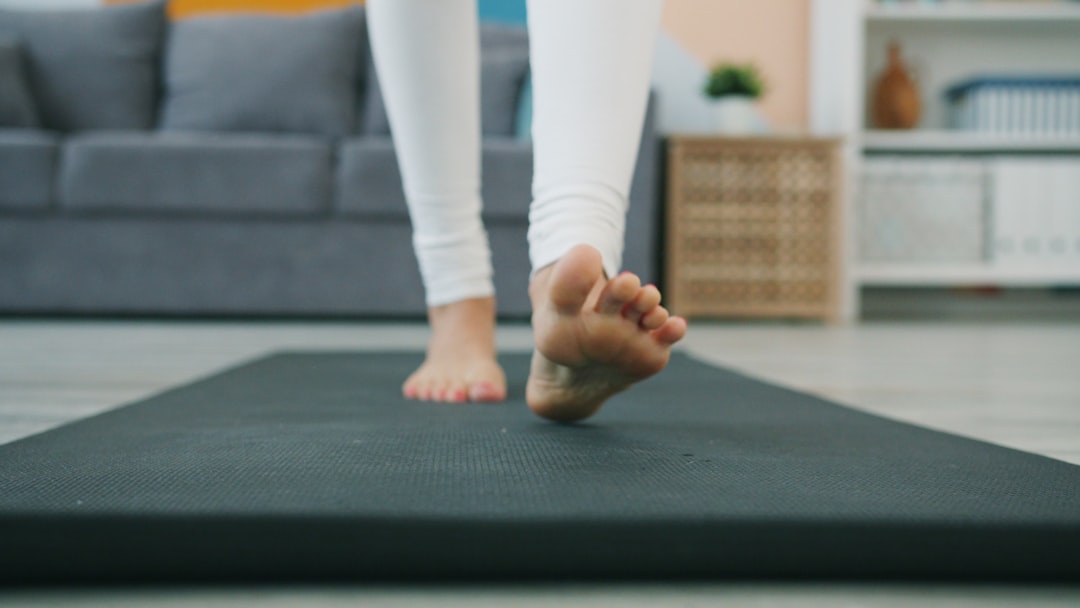
Your body is a remarkable vessel, intricately designed to carry you through life’s myriad experiences. It holds your history, your emotions, and your wisdom. When you take a moment to pause and tune in, you may begin to notice the subtle signals it sends you—perhaps a flutter of anxiety in your stomach or a heaviness in your chest. These sensations are not just random occurrences; they are your body’s way of communicating with you. By learning to listen to these messages, you can cultivate a deeper understanding of your needs and emotions.
As you embark on this journey of self-discovery, consider how your body responds to different situations. Do you feel tension in your shoulders when stressed? Or perhaps your breath becomes shallow during moments of overwhelm? Recognizing these patterns is the first step toward nurturing a more harmonious relationship with yourself. By acknowledging your body’s responses, you can begin to create a safe space for healing and growth, allowing yourself to respond to life’s challenges with greater awareness and compassion.
Embracing Your Body’s Unique Features
Every body is unique, shaped by genetics, experiences, and personal history. Embracing your body’s distinct features can be a powerful act of self-acceptance. Instead of focusing on societal ideals or comparisons with others, take a moment to appreciate what makes you, you. Perhaps it’s the way your laughter lights up your face or the strength in your arms that allows you to carry the things you love. Each characteristic tells a story, and every story is worthy of celebration.
When you shift your perspective to honor your individuality, you may find that self-criticism begins to fade. Instead of viewing perceived flaws as shortcomings, consider them as part of the beautiful tapestry of who you are. This practice can be liberating; it invites you to step away from the pressures of conformity and embrace authenticity. As you learn to love your unique features, you create a foundation for self-compassion and acceptance that can profoundly impact your emotional well-being.
Practicing Self-Compassion

Self-compassion is an essential practice for nurturing a healthy relationship with your body and mind. It involves treating yourself with the same kindness and understanding that you would offer a dear friend. When faced with challenges or setbacks, it’s easy to fall into the trap of self-judgment. However, by cultivating self-compassion, you can create a gentle inner dialogue that fosters resilience and healing.
Begin by acknowledging your feelings without judgment. If you’re experiencing discomfort or pain, allow yourself to feel those emotions fully rather than pushing them away. Remind yourself that it’s okay to struggle; everyone faces difficulties at some point in their lives. You might even consider placing a hand on your heart or giving yourself a comforting hug as a physical reminder of your commitment to self-kindness. This simple act can help ground you in the present moment and reinforce the idea that you are deserving of love and care.
Nourishing Your Body with Healthy Foods

The food you choose to nourish your body plays a significant role in how you feel both physically and emotionally. When you prioritize wholesome, nutrient-dense foods, you provide your body with the fuel it needs to thrive. Think of food as a source of nourishment that supports not only your physical health but also your emotional well-being. By making mindful choices about what you eat, you can cultivate a deeper connection with your body and its needs.
Consider incorporating a variety of colorful fruits and vegetables into your meals, as they are rich in vitamins and minerals that support overall health. Whole grains, lean proteins, and healthy fats can also contribute to balanced nutrition. However, it’s important to remember that nourishment isn’t solely about restriction or perfection; it’s about finding what feels good for you. Allow yourself the freedom to enjoy treats and comfort foods without guilt. By fostering a positive relationship with food, you can create a sense of balance that honors both your body and your emotional landscape.
Engaging in Regular Physical Activity
| Topic | Metrics |
|---|---|
| Physical Activity | 30 minutes of exercise per day |
| Healthy Eating | 5 servings of fruits and vegetables per day |
| Mental Health | 10 minutes of meditation or mindfulness practice |
| Self-Care | 1 hour of self-care activities per week |
Movement is an essential aspect of caring for your body and mind. Engaging in regular physical activity not only strengthens your muscles but also releases endorphins—those feel-good hormones that can elevate your mood and reduce stress. Whether it’s a brisk walk in nature, dancing in your living room, or practicing yoga, find activities that resonate with you and bring joy to your life.
As you explore different forms of movement, pay attention to how your body feels during and after each activity. Notice the sensations that arise—perhaps a sense of lightness or increased energy. This awareness can help you develop a more intuitive approach to exercise, allowing you to choose activities that truly nourish and invigorate you. Remember, movement doesn’t have to be intense or structured; it can be as simple as stretching or taking a moment to breathe deeply. The key is to find what feels good for you and make it a regular part of your routine.
Prioritizing Rest and Relaxation
In our fast-paced world, rest often takes a backseat to productivity. However, prioritizing rest and relaxation is crucial for maintaining balance in your life. Your body needs time to recharge and recover from daily stressors, both physical and emotional. By allowing yourself moments of stillness, you create space for healing and rejuvenation.
Consider incorporating small rituals into your day that promote relaxation. This could be as simple as taking a few deep breaths before bed or setting aside time for a warm bath with calming essential oils. You might also explore mindfulness practices such as meditation or gentle stretching to help ground yourself in the present moment. Remember that rest is not a luxury; it is a necessity for your overall well-being. By honoring your need for rest, you cultivate resilience and create a more sustainable approach to life.
Cultivating a Positive Body Image
A positive body image is essential for fostering self-acceptance and emotional well-being. It involves appreciating your body for all it does rather than focusing solely on appearance. To cultivate this positive perspective, start by challenging negative thoughts that arise about your body. When self-doubt creeps in, pause and ask yourself if those thoughts are rooted in reality or influenced by external pressures.
You might also consider creating a gratitude list focused on your body—what do you appreciate about it? Perhaps it’s the strength that allows you to engage in activities you love or the way it carries you through life’s ups and downs. By shifting your focus from criticism to gratitude, you can begin to reshape your relationship with your body. Surrounding yourself with positive influences—whether through supportive friends or uplifting media—can further reinforce this shift toward self-love.
Seeking Professional Support if Needed
Navigating trauma, burnout, or emotional overwhelm can be challenging, and seeking professional support is a courageous step toward healing. A therapist or counselor can provide guidance tailored to your unique experiences and needs. They can help you explore underlying patterns and develop coping strategies that empower you on your journey.
If you’re unsure where to start, consider reaching out to someone who resonates with you—whether it’s through personal recommendations or online resources. Remember that seeking help is not a sign of weakness; it is an act of strength and self-awareness. You deserve support as you navigate the complexities of life, and professional guidance can be an invaluable resource on this path toward healing.
Connecting with Your Body Through Mindfulness
Mindfulness is a powerful practice that invites you to connect with your body in the present moment. By cultivating awareness of your thoughts, feelings, and physical sensations without judgment, you create an opportunity for deeper self-understanding. Mindfulness can help ground you during times of emotional overwhelm, allowing you to respond rather than react.
To begin incorporating mindfulness into your daily routine, set aside just a few minutes each day for intentional practice. You might try sitting quietly and focusing on your breath—notice how it feels as it enters and leaves your body. Alternatively, engage in mindful walking by paying attention to each step and the sensations beneath your feet. These small moments of connection can foster a sense of safety within yourself and enhance emotional regulation over time.
Setting Boundaries and Saying No to Harmful Influences
Establishing boundaries is an essential aspect of self-care that allows you to protect your emotional well-being. It involves recognizing what feels right for you and communicating those needs clearly to others. Whether it’s saying no to social obligations that drain your energy or distancing yourself from toxic relationships, setting boundaries empowers you to prioritize your own needs.
As you navigate this process, remember that it’s okay to prioritize yourself without guilt or shame. You have the right to create space for what nourishes you while letting go of what doesn’t serve your well-being. Practice asserting yourself gently but firmly; this may take time but will ultimately lead to greater emotional resilience and inner peace.
Celebrating Your Body’s Strength and Resilience
Your body has an incredible capacity for strength and resilience—it has carried you through challenges, supported your growth, and adapted over time. Take a moment to reflect on all that your body has accomplished throughout your life journey. Each scar tells a story; each ache reminds you of battles fought and won.
Celebrating this strength can be as simple as acknowledging small victories—perhaps completing a challenging workout or simply getting out of bed on tough days. Consider creating rituals that honor your body’s resilience; this could involve writing letters of gratitude or engaging in creative expression through art or movement. By celebrating these moments, you reinforce the connection between mind and body while fostering an enduring sense of belonging within yourself.
As you navigate this journey toward deeper connection with yourself, remember that healing is not linear; it unfolds at its own pace. Be gentle with yourself as you explore these practices, allowing space for growth without pressure or urgency. Your body is wise; trust its guidance as you cultivate resilience, self-compassion, and an enduring sense of belonging within yourself.
FAQs
What does it mean to feel at home in your body?
Feeling at home in your body means being comfortable and accepting of your physical self. It involves having a positive relationship with your body and feeling confident in your own skin.
Why is it important to feel at home in your body?
Feeling at home in your body is important for overall well-being and mental health. It can lead to increased self-esteem, body positivity, and a healthier relationship with food and exercise.
What are some ways to feel more at home in your body?
Some ways to feel more at home in your body include practicing self-care, engaging in physical activities that bring you joy, surrounding yourself with positive influences, and seeking professional help if needed.
How can mindfulness and self-compassion help in feeling at home in your body?
Mindfulness and self-compassion can help in feeling at home in your body by promoting self-awareness, acceptance, and kindness towards oneself. These practices can help shift negative thought patterns and improve body image.
What are the benefits of feeling at home in your body?
The benefits of feeling at home in your body include improved self-confidence, better mental and emotional well-being, healthier relationships, and a more positive outlook on life.