


Feeling disconnected can often feel like a heavy fog settling over your mind and body, obscuring the vibrant colors of your life. It’s that sensation of being present yet somehow detached, as if you are watching your life unfold from a distance rather than fully participating in it. This disconnection can manifest in various ways, from feeling emotionally numb to experiencing a lack of motivation or joy in activities that once brought you happiness. It’s important to recognize that this feeling is not a personal failing; rather, it is a common experience that many people navigate at different points in their lives.
At its core, disconnection is a signal from your body and mind that something needs attention. It can arise from various sources, including stress, trauma, or even the relentless pace of modern life. Understanding this concept is the first step toward nurturing a deeper connection with yourself. By acknowledging that disconnection is a natural response to overwhelming circumstances, you can begin to approach it with compassion rather than judgment. This gentle awareness opens the door to healing and reconnection.
Identifying the signs of feeling disconnected from yourself
Recognizing the signs of disconnection is crucial for your journey toward reconnection. You may notice a persistent sense of emptiness or a feeling of being on autopilot, where daily tasks feel mechanical rather than meaningful. Perhaps you find it challenging to engage in conversations or connect with loved ones, feeling as though there’s an invisible barrier between you and the world around you. These signs can be subtle, creeping into your life gradually, or they may hit you suddenly, leaving you feeling lost and unsure.
Physical symptoms can also accompany emotional disconnection. You might experience fatigue, tension in your body, or even chronic pain without a clear medical cause. These sensations are your body’s way of communicating that something is amiss. By tuning into these signs, you can begin to cultivate a deeper awareness of your emotional landscape. This awareness is not about self-criticism but rather about understanding your needs and honoring them with kindness.
Exploring the impact of feeling disconnected on your mental and emotional well-being
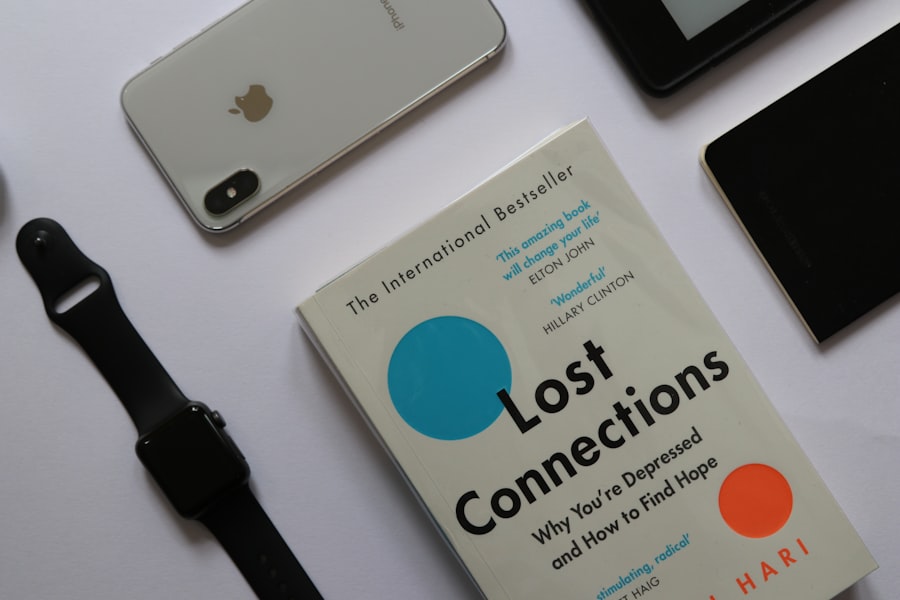
The impact of feeling disconnected can ripple through every aspect of your mental and emotional well-being. When you are disconnected from yourself, it can lead to feelings of isolation and loneliness, even when surrounded by others. This emotional distance can create a sense of despair, making it difficult to find joy or meaning in life. You may find yourself questioning your worth or purpose, leading to a cycle of negative self-talk that further entrenches feelings of disconnection.
Moreover, this disconnection can exacerbate existing mental health challenges such as anxiety or depression. When you are not in tune with your emotions or bodily sensations, it becomes challenging to regulate your feelings effectively. You may find yourself reacting impulsively or feeling overwhelmed by emotions that seem to come out of nowhere. Recognizing this impact is essential for fostering resilience and emotional regulation. By understanding how disconnection affects your well-being, you can take proactive steps toward reconnecting with yourself.
Recognizing the potential causes of feeling disconnected from yourself

Understanding the potential causes of disconnection can illuminate the path toward healing. Life experiences such as trauma, loss, or significant life changes can create rifts in your sense of self. These events may lead you to suppress emotions or disconnect from your body as a protective mechanism. It’s important to acknowledge that these responses are natural; they are your mind’s way of coping with overwhelming situations.
Additionally, societal expectations and pressures can contribute to feelings of disconnection. In a world that often prioritizes productivity and achievement over emotional well-being, it’s easy to lose sight of what truly matters to you. You may find yourself conforming to external standards rather than honoring your own values and desires. By recognizing these potential causes, you can begin to disentangle yourself from external influences and reconnect with your authentic self.
Examining the role of stress and anxiety in feeling disconnected
| Reasons for Feeling Disconnected From Yourself | Impact |
|---|---|
| Lack of self-care | Decreased well-being and energy levels |
| Overwhelm and stress | Difficulty focusing and making decisions |
| Ignoring emotions | Difficulty understanding and managing feelings |
| Unhealthy relationships | Decreased self-esteem and confidence |
Stress and anxiety are powerful forces that can deepen feelings of disconnection. When you are under constant pressure, whether from work, relationships, or personal expectations, it can be challenging to stay present with yourself. Your mind may race with worries about the future or regrets about the past, pulling you away from the here and now. This mental chatter can create a sense of fragmentation, making it difficult to feel grounded in your body.
Moreover, chronic stress can lead to physical symptoms such as tension headaches, digestive issues, or fatigue, further exacerbating feelings of disconnection. Your body may respond by shutting down or going into survival mode, which can leave you feeling numb or detached from your emotions. Recognizing the interplay between stress, anxiety, and disconnection is vital for developing effective coping strategies that honor both your mental and physical well-being.
Addressing the impact of societal pressures on feeling disconnected
Societal pressures can significantly influence how connected you feel to yourself. In a culture that often glorifies busyness and achievement, it’s easy to lose sight of your own needs and desires. You may find yourself measuring your worth against external standards rather than tuning into your inner voice. This disconnect from your authentic self can lead to feelings of inadequacy and self-doubt.
Moreover, social media can exacerbate these feelings by presenting curated versions of reality that may seem unattainable. The constant comparison to others can create a sense of isolation and disconnection from your own journey. It’s essential to recognize these societal influences and consciously create boundaries that allow you to prioritize self-connection over external validation. By doing so, you can cultivate a sense of belonging that comes from within rather than relying on external sources.
Exploring the connection between feeling disconnected and low self-esteem
Feeling disconnected often intertwines with low self-esteem, creating a cycle that can be challenging to break. When you are not in touch with your emotions or bodily sensations, it becomes difficult to recognize your inherent worth. You may find yourself engaging in negative self-talk or doubting your abilities, which only reinforces feelings of disconnection.
This relationship between disconnection and self-esteem highlights the importance of nurturing self-compassion and acceptance. By acknowledging your feelings without judgment and treating yourself with kindness, you can begin to rebuild your sense of self-worth. This process takes time and patience; it’s about learning to embrace all parts of yourself—the light and the shadow—without shame.
Recognizing the importance of self-care in combating feelings of disconnection
Self-care plays a crucial role in combating feelings of disconnection. It’s not just about indulging in bubble baths or treating yourself occasionally; true self-care involves creating a consistent practice that honors your physical, emotional, and mental needs. This might include setting aside time for activities that bring you joy or simply allowing yourself moments of stillness to check in with how you’re feeling.
Engaging in self-care also means listening to your body’s signals and responding with compassion. If you’re feeling overwhelmed, it’s okay to take a step back and prioritize rest or relaxation. By making self-care a priority, you send a powerful message to yourself: that you are worthy of love and attention. This practice fosters a deeper connection with yourself and helps combat feelings of disconnection over time.
Exploring the role of mindfulness and self-reflection in reconnecting with yourself
Mindfulness and self-reflection are invaluable tools for reconnecting with yourself amidst feelings of disconnection. Mindfulness invites you to be present in the moment without judgment, allowing you to observe your thoughts and emotions as they arise. This practice cultivates awareness and helps you develop a more compassionate relationship with yourself.
Self-reflection complements mindfulness by encouraging you to explore your inner landscape more deeply. Taking time to journal or engage in quiet contemplation can help you uncover patterns in your thoughts and behaviors that contribute to feelings of disconnection. By creating space for this exploration, you empower yourself to make conscious choices that align with your values and desires.
Seeking professional help for addressing feelings of disconnection
If feelings of disconnection persist despite your efforts at self-care and mindfulness, seeking professional help can be an important step on your journey toward reconnection. A therapist or counselor can provide support and guidance tailored to your unique experiences and needs. They can help you explore underlying issues contributing to disconnection while offering tools for emotional regulation and resilience.
Therapy is not just about addressing problems; it’s also an opportunity for growth and healing. A skilled professional can help you navigate complex emotions and develop strategies for reconnecting with yourself in a safe and supportive environment. Remember that seeking help is a sign of strength; it demonstrates your commitment to nurturing your well-being.
Embracing self-acceptance and self-love as a means of reconnecting with yourself
Ultimately, embracing self-acceptance and self-love is key to reconnecting with yourself after periods of disconnection. This journey involves recognizing that you are inherently worthy just as you are—flaws and all. It’s about letting go of the need for perfection and allowing yourself to be human.
Practicing self-love means treating yourself with kindness during difficult moments rather than succumbing to self-criticism. It involves celebrating small victories along the way and acknowledging the progress you make on this journey toward reconnection. As you cultivate this sense of acceptance within yourself, you create a solid foundation for deeper connections with others and the world around you.
In conclusion, navigating feelings of disconnection is a deeply personal journey that requires patience, compassion, and understanding. By recognizing the signs, exploring underlying causes, and embracing practices such as mindfulness and self-care, you can begin to reconnect with yourself on a profound level. Remember that this journey is not linear; it ebbs and flows like the tides. Be gentle with yourself as you navigate this path toward healing and wholeness—your body holds wisdom waiting to be discovered.
FAQs
What are some common signs of feeling disconnected from yourself?
Some common signs of feeling disconnected from yourself include feeling numb or empty, experiencing a lack of motivation or passion, feeling like you’re going through the motions without truly experiencing life, and feeling like you don’t recognize yourself or your own thoughts and feelings.
What are some potential causes of feeling disconnected from yourself?
Feeling disconnected from yourself can be caused by a variety of factors, including stress, trauma, mental health issues such as depression or anxiety, societal pressures, and a lack of self-care and self-awareness. It can also be a result of feeling disconnected from your own values and beliefs.
How can feeling disconnected from yourself impact your overall well-being?
Feeling disconnected from yourself can impact your overall well-being in various ways, including increased stress and anxiety, a sense of emptiness or dissatisfaction with life, difficulty forming and maintaining relationships, and a lack of direction or purpose. It can also lead to physical symptoms such as fatigue and insomnia.
What are some strategies for reconnecting with yourself?
Strategies for reconnecting with yourself include practicing mindfulness and self-reflection, engaging in activities that bring you joy and fulfillment, seeking support from a therapist or counselor, setting boundaries and prioritizing self-care, and exploring your values and beliefs to align with your authentic self.
When should you seek professional help for feeling disconnected from yourself?
You should consider seeking professional help if feeling disconnected from yourself is significantly impacting your daily life, relationships, and overall well-being. If you’re experiencing symptoms of depression, anxiety, or trauma, or if you’re struggling to cope with these feelings on your own, it’s important to reach out to a mental health professional for support and guidance.