


Your nervous system is a complex network that plays a crucial role in how you experience the world around you. It is responsible for processing sensory information, regulating bodily functions, and responding to stressors. At its core, the nervous system is divided into two main parts: the central nervous system (CNS), which includes your brain and spinal cord, and the peripheral nervous system (PNS), which connects the CNS to the rest of your body. Within the PNS, there are further divisions, including the sympathetic nervous system, which prepares your body for action, and the parasympathetic nervous system, which promotes relaxation and recovery.
Understanding how your nervous system operates can be empowering. It allows you to recognize when you are in a state of stress or relaxation and helps you identify the signs your body gives you. For instance, when you feel anxious or overwhelmed, your sympathetic nervous system may be activated, leading to a racing heart or shallow breathing. Conversely, when you are calm and at ease, your parasympathetic system takes over, allowing you to breathe deeply and feel grounded. By tuning into these signals, you can begin to cultivate a deeper connection with your body and learn how to navigate your emotional landscape more effectively.
The Impact of Stress on the Nervous System
Stress is an inevitable part of life, but its impact on your nervous system can be profound. When faced with stressors—whether they are physical, emotional, or environmental—your body responds by activating the sympathetic nervous system. This response is often referred to as the “fight or flight” reaction, preparing you to confront or flee from perceived threats. While this response can be beneficial in short bursts, chronic stress can lead to dysregulation of your nervous system, resulting in a range of physical and emotional symptoms.
When your nervous system remains in a heightened state of alertness for extended periods, it can lead to feelings of anxiety, irritability, and overwhelm. You may find it difficult to relax or unwind, even in situations that should be enjoyable. This ongoing tension can manifest physically as muscle tightness, headaches, or digestive issues. Recognizing the signs of stress in your body is essential for reclaiming your sense of calm and well-being. By acknowledging these sensations without judgment, you can begin to take steps toward healing and restoring balance within yourself.
The Connection Between Stress and Inability to Relax on Vacation
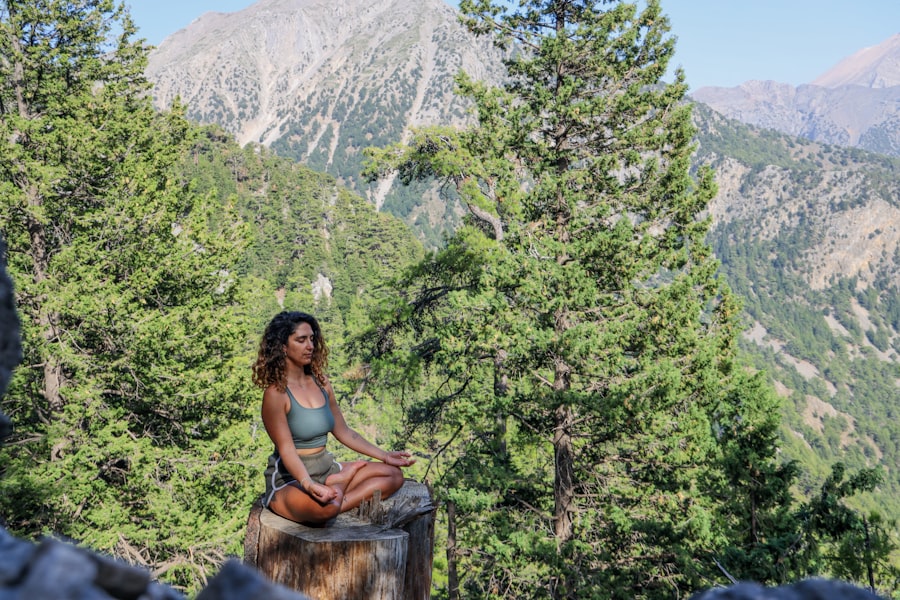
Vacations are often seen as a time for rest and rejuvenation, yet many people find themselves unable to fully relax during these breaks. This paradox can be traced back to the effects of stress on your nervous system. If you have been living in a state of chronic stress, your body may struggle to shift into a relaxed state even when you are physically away from your usual responsibilities. The anticipation of a vacation may bring excitement, but it can also trigger anxiety about leaving behind tasks or concerns.
Moreover, the inability to relax on vacation can stem from deeply ingrained patterns within your nervous system. If you have been conditioned to associate rest with guilt or unproductiveness, it can be challenging to allow yourself the space to unwind. You might find yourself constantly checking your phone for work emails or feeling restless when trying to enjoy leisure activities. Understanding this connection between stress and relaxation is the first step toward breaking free from these patterns and allowing yourself to truly enjoy your time away.
External Factors That Affect Relaxation on Vacation
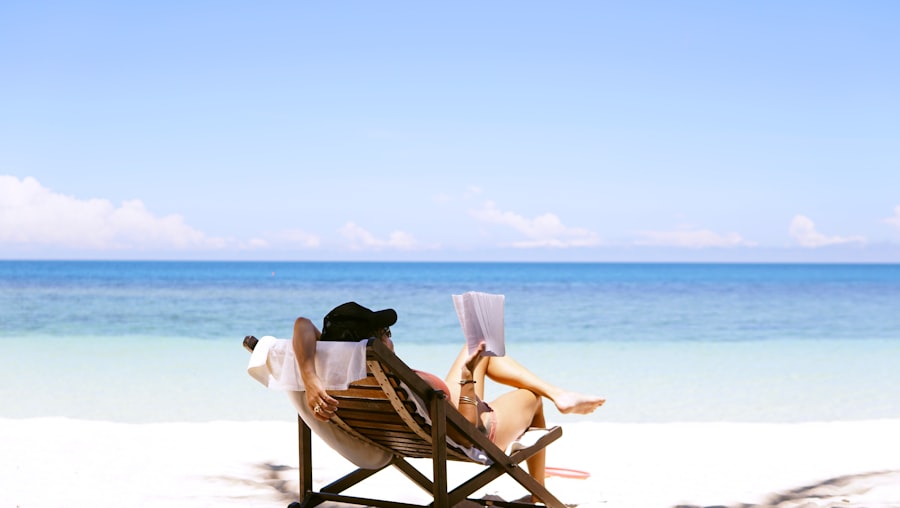
While internal factors play a significant role in your ability to relax on vacation, external influences can also impact your experience. The environment you find yourself in—whether it’s a bustling city or a serene beach—can either support or hinder your relaxation efforts. For instance, if you are surrounded by noise and distractions, it may be difficult for you to settle into a peaceful state of mind. Conversely, a tranquil setting with natural beauty can help soothe your nervous system and promote relaxation.
Additionally, social dynamics can affect how you experience vacation time. If you are traveling with family or friends who have different expectations or energy levels, it may create tension that prevents you from fully enjoying yourself. It’s important to communicate openly about your needs and desires during these trips so that everyone can find common ground. By being mindful of both your surroundings and the people you are with, you can create an environment that fosters relaxation and connection.
Internal Factors That Affect Relaxation on Vacation
| Reasons for Struggling to Relax on Vacation | Percentage |
|---|---|
| Work-related stress | 40% |
| Difficulty disconnecting from technology | 25% |
| Feeling guilty for taking time off | 20% |
| High expectations for the vacation | 15% |
Internal factors are equally important when considering why relaxation may elude you on vacation. Your thoughts, beliefs, and emotional state all play a role in how you experience downtime. If you carry unresolved emotions or stress from your daily life into your vacation, it can be challenging to let go and embrace the moment. You might find yourself ruminating on past events or worrying about future responsibilities instead of being present.
Moreover, self-criticism can be a significant barrier to relaxation. If you struggle with feelings of unworthiness or guilt about taking time for yourself, it can create an internal conflict that prevents you from enjoying your vacation fully. Recognizing these internal narratives is essential for cultivating self-compassion and allowing yourself the grace to relax. By acknowledging these thoughts without judgment and gently redirecting your focus back to the present moment, you can create space for deeper relaxation and enjoyment.
Coping Mechanisms for Overactive Nervous Systems
If you find that your nervous system is often overactive, it’s essential to develop coping mechanisms that help restore balance. One effective approach is grounding techniques that connect you back to your body and the present moment. Simple practices such as deep breathing exercises or mindful walking can help calm an overactive mind and bring awareness back to your physical sensations. When you focus on your breath or the feeling of your feet on the ground, it creates a sense of safety and stability.
Another helpful strategy is engaging in gentle movement practices like yoga or tai chi. These activities not only promote physical well-being but also encourage a deeper connection with your body’s rhythms. As you move mindfully through each pose or sequence, you may notice areas of tension release and a sense of calm wash over you. Incorporating these practices into your daily routine can help regulate your nervous system over time, making it easier for you to relax during vacations and other moments of downtime.
Strategies for Relaxation on Vacation
When it comes to relaxation on vacation, having a few strategies in place can make all the difference. One effective approach is to create a daily routine that includes intentional moments of rest and self-care. This could involve setting aside time each day for activities that nourish your spirit—whether that’s reading a book by the beach, practicing meditation in nature, or simply enjoying a leisurely meal without distractions.
Additionally, consider incorporating sensory experiences into your vacation routine. Engaging with nature through hiking or spending time near water can have a calming effect on your nervous system. You might also explore practices like aromatherapy or sound healing to enhance relaxation further. By intentionally creating an environment that supports your well-being, you can cultivate a deeper sense of peace during your time away.
Seeking Professional Help for Nervous System Dysregulation
If you find that stress and anxiety continue to interfere with your ability to relax—even during vacations—it may be beneficial to seek professional help. A therapist or counselor trained in somatic practices can provide valuable insights into how trauma and stress impact your nervous system. They can guide you through techniques that promote healing and help you develop personalized coping strategies tailored to your unique needs.
Therapeutic modalities such as somatic experiencing or trauma-informed yoga focus on reconnecting with the body as a source of wisdom and safety. These approaches encourage you to explore sensations and emotions stored within your body while fostering resilience and emotional regulation. Seeking support from a professional can be an empowering step toward reclaiming your ability to relax and enjoy life fully.
Creating a Relaxation Plan for Vacation
As you prepare for your next vacation, consider creating a relaxation plan that outlines how you will prioritize self-care during this time away. Start by identifying specific activities that bring you joy and peace—whether it’s journaling by the ocean, practicing yoga at sunrise, or simply taking long walks in nature. Write down these intentions so that they serve as gentle reminders throughout your trip.
Additionally, think about how you can set boundaries around work-related distractions during your vacation. This might involve turning off notifications on your phone or designating specific times for checking emails if necessary. By consciously creating space for relaxation in both your schedule and mindset, you’ll be better equipped to embrace the restorative benefits of time away from daily responsibilities.
The Importance of Self-Care for Nervous System Health
Self-care is not just a buzzword; it’s an essential practice for maintaining nervous system health. When you prioritize self-care regularly—whether through mindfulness practices, physical activity, or creative expression—you build resilience against stressors that may arise in daily life. This foundation allows you to approach vacations with a greater sense of ease and openness.
Moreover, self-care fosters a deeper connection with yourself—a vital aspect of emotional regulation and overall well-being. By taking time each day to check in with how you feel physically and emotionally, you cultivate awareness that helps guide your choices during vacations and beyond. Remember that self-care looks different for everyone; what nourishes one person may not resonate with another. Trust yourself to explore what feels right for you.
Finding Balance in Life to Support Relaxation on Vacation
Ultimately, finding balance in life is key to supporting relaxation during vacations and everyday moments alike. This balance involves recognizing when it’s time to push forward and when it’s essential to slow down and recharge. It’s about honoring both productivity and rest as integral parts of your journey rather than viewing them as opposing forces.
As you navigate this balance, remember that it’s okay to ask for help when needed—whether from friends, family members, or professionals who understand the complexities of stress and trauma recovery. Embrace the idea that relaxation is not just an end goal but an ongoing practice that requires nurturing over time. By cultivating this balance within yourself, you’ll create space for deeper relaxation during vacations while also enriching your everyday life with moments of joy and connection.
FAQs
1. Why is it difficult to relax even on vacation?
It can be difficult to relax on vacation due to a variety of factors such as work-related stress, difficulty disconnecting from technology, and high expectations for the vacation experience.
2. How does work-related stress impact relaxation on vacation?
Work-related stress can impact relaxation on vacation by causing individuals to continue thinking about work, checking emails, and feeling guilty for taking time off. This can prevent them from fully disconnecting and unwinding.
3. What role does technology play in hindering relaxation on vacation?
Technology can hinder relaxation on vacation by keeping individuals connected to work, social media, and news, making it difficult for them to fully disconnect and be present in the moment.
4. Why do high expectations for the vacation experience contribute to difficulty relaxing?
High expectations for the vacation experience can contribute to difficulty relaxing by creating pressure to have a perfect, stress-free time, leading to disappointment if things don’t go as planned.
5. How can individuals overcome the struggle to relax on vacation?
To overcome the struggle to relax on vacation, individuals can set boundaries with work, limit technology use, manage their expectations, and engage in activities that promote relaxation such as mindfulness, exercise, and spending time in nature.