

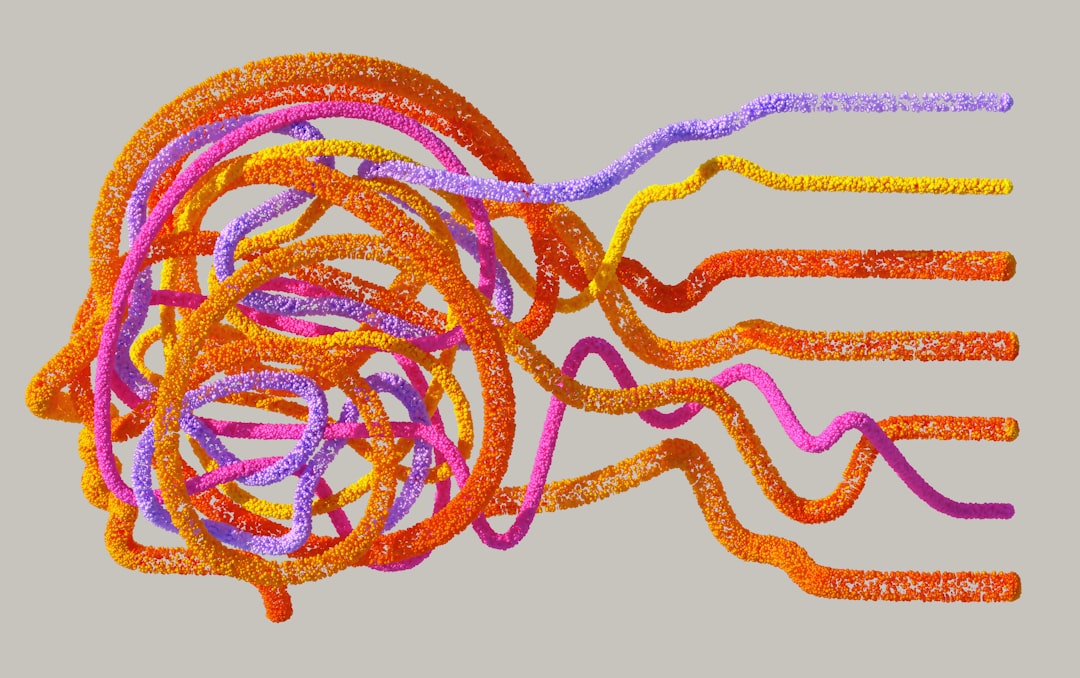
The nervous system is a complex network that plays a crucial role in how we experience the world around us. It is responsible for processing sensory information, regulating bodily functions, and facilitating communication between different parts of the body. At its core, the nervous system is divided into two main components: the central nervous system (CNS), which includes the brain and spinal cord, and the peripheral nervous system (PNS), which connects the CNS to the rest of the body. This intricate system not only governs our physical responses but also influences our emotional states and overall well-being.
Understanding the nervous system is essential, especially for those navigating emotional overwhelm or trauma. It helps us recognize how our bodies respond to stressors and how these responses can manifest in our daily lives. The nervous system operates on a continuum, ranging from a state of calm and safety to one of heightened alertness or distress. By tuning into this spectrum, you can begin to identify where you might be on that scale and how your experiences shape your reactions. This awareness is the first step toward fostering a deeper connection with your body and its innate wisdom.
The Role of the Nervous System in People Pleasing Behaviors
People pleasing behaviors often stem from a desire for acceptance and validation from others. These behaviors can be deeply rooted in our nervous system responses, particularly in how we perceive safety and connection. When you prioritize others’ needs over your own, it may feel like a way to maintain harmony or avoid conflict. However, this tendency can also be a reflection of your nervous system’s learned patterns, often developed in response to past experiences or trauma.
When you engage in people pleasing, your nervous system may enter a state of hyper-vigilance, constantly scanning for cues that indicate how others are feeling. This heightened awareness can lead to an overwhelming sense of responsibility for others’ emotions, leaving little room for your own needs. As you navigate these dynamics, it’s important to recognize that your worth is not contingent upon others’ approval. By understanding the role of your nervous system in these behaviors, you can begin to shift your focus inward and cultivate a sense of self-acceptance.
The Impact of People Pleasing on the Nervous System

The impact of people pleasing on your nervous system can be profound and multifaceted. When you consistently prioritize others’ needs, your body may remain in a state of stress or anxiety, leading to chronic dysregulation. This dysregulation can manifest as physical symptoms such as tension, fatigue, or digestive issues, as well as emotional symptoms like irritability or sadness. Over time, these responses can create a feedback loop that reinforces the need to please others while neglecting your own well-being.
Moreover, the constant effort to meet others’ expectations can lead to emotional burnout. Your nervous system may become overwhelmed by the pressure to perform and conform, resulting in feelings of exhaustion and disconnection from yourself. Recognizing this impact is crucial for your healing journey. By acknowledging how people pleasing affects your nervous system, you can begin to take steps toward reclaiming your energy and nurturing a more balanced relationship with yourself.
The Connection Between the Nervous System and Stress
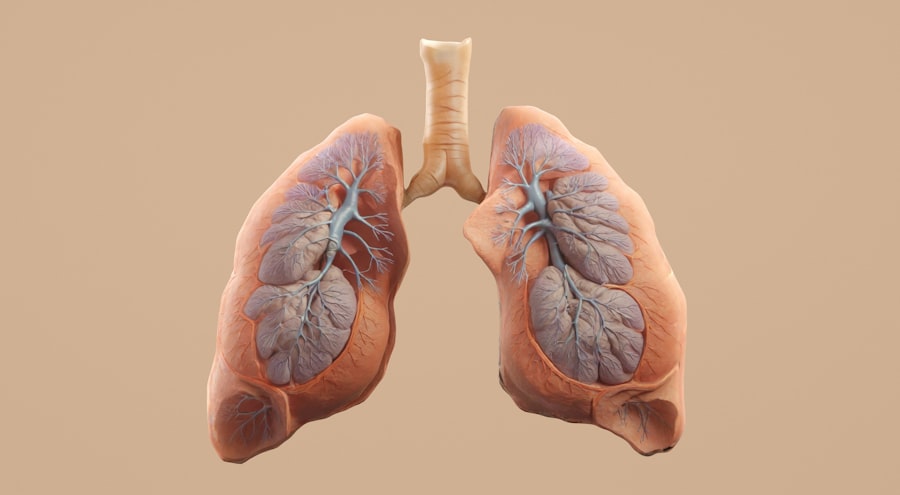
Stress is an inevitable part of life, but how we respond to it is largely influenced by our nervous system. When faced with stressors, your body activates its fight-or-flight response, preparing you to either confront or flee from danger. While this response is essential for survival, chronic activation due to ongoing stress can lead to dysregulation within the nervous system. This dysregulation can create a cycle where stress becomes a constant companion, impacting both your physical and emotional health.
For those who engage in people pleasing behaviors, stress can feel particularly acute. The pressure to meet others’ expectations can amplify feelings of anxiety and overwhelm, making it difficult to find moments of calm. Understanding this connection between stress and your nervous system is vital for developing effective coping strategies. By learning to recognize when you are entering a state of stress, you can begin to implement practices that promote regulation and restore balance.
How People Pleasing Can Affect the Nervous System
| Aspect | Metrics |
|---|---|
| Nervous System | Neurons, Synapses, Neurotransmitters |
| People Pleasing | Approval seeking, Avoiding conflict, Overcommitment |
People pleasing can create a unique set of challenges for your nervous system. As you navigate the demands of others, you may find yourself caught in a cycle of self-neglect and emotional turmoil. This pattern can lead to an overactive sympathetic nervous system—the part responsible for the fight-or-flight response—while simultaneously suppressing the parasympathetic nervous system, which promotes relaxation and restoration.
When your sympathetic nervous system is consistently activated due to people pleasing behaviors, it can result in chronic feelings of anxiety and tension. You may notice physical symptoms such as increased heart rate or shallow breathing, which further perpetuate feelings of unease. Recognizing these patterns is an important step toward healing. By tuning into your body’s signals and understanding how people pleasing affects your nervous system, you can begin to cultivate practices that support emotional regulation and resilience.
The Link Between the Nervous System and Anxiety in People Pleasers
Anxiety is often intertwined with people pleasing behaviors, creating a complex relationship that can be difficult to navigate. When you prioritize others’ needs above your own, it can lead to feelings of inadequacy or fear of rejection. These emotions trigger your nervous system’s stress response, resulting in heightened anxiety levels that can feel overwhelming at times.
The link between anxiety and your nervous system is significant; when you experience anxiety, your body may respond with physical symptoms such as muscle tension or rapid heartbeat. This physiological response can create a feedback loop where anxiety reinforces people pleasing behaviors as a means of seeking reassurance or validation from others. Understanding this connection allows you to approach your anxiety with compassion rather than judgment. By recognizing that these feelings are rooted in your nervous system’s responses, you can begin to explore healthier coping mechanisms that honor both your needs and those of others.
Strategies for Regulating the Nervous System in People Pleasers
Regulating your nervous system is essential for breaking free from the cycle of people pleasing and fostering a deeper connection with yourself. One effective strategy is grounding techniques, which help anchor you in the present moment and promote a sense of safety. Simple practices such as deep breathing exercises or mindful walking can help calm your nervous system and create space for self-reflection.
Another valuable approach is incorporating movement into your daily routine. Engaging in gentle activities like yoga or stretching allows you to release built-up tension while reconnecting with your body’s sensations. As you move, pay attention to how different areas of your body feel—this awareness can help you identify where stress may be stored and encourage release.
Additionally, consider journaling as a way to process your thoughts and emotions. Writing down your experiences can provide clarity and insight into your people pleasing tendencies while allowing you to express yourself authentically without fear of judgment. By implementing these strategies consistently, you can cultivate a greater sense of regulation within your nervous system and foster resilience against overwhelming emotions.
The Importance of Setting Boundaries for a Healthy Nervous System
Setting boundaries is an essential aspect of maintaining a healthy nervous system, especially for those who struggle with people pleasing behaviors. Boundaries serve as protective measures that allow you to honor your own needs while still engaging with others in meaningful ways. When you establish clear boundaries, you create space for self-care and self-compassion—two vital components for nurturing your emotional well-being.
Learning to say no can be challenging, particularly if you’re accustomed to prioritizing others’ needs above your own. However, it’s important to remember that setting boundaries does not equate to being unkind or selfish; rather, it reflects a commitment to honoring yourself and fostering healthy relationships. As you practice setting boundaries, notice how it impacts your nervous system—do you feel more relaxed? More empowered? These insights can reinforce the importance of maintaining boundaries as part of your healing journey.
The Role of Self-Care in Balancing the Nervous System for People Pleasers
Self-care is not just a buzzword; it’s a vital practice for balancing your nervous system and nurturing your overall well-being. For those who engage in people pleasing behaviors, prioritizing self-care can feel like an act of rebellion against ingrained patterns of self-neglect. However, it’s essential to recognize that self-care is not indulgent; it’s necessary for sustaining emotional health.
Incorporating small acts of self-care into your daily routine can have profound effects on your nervous system regulation. Whether it’s taking time for a warm bath, enjoying a favorite hobby, or simply sitting in silence with a cup of tea, these moments allow you to reconnect with yourself and recharge your energy. As you cultivate self-care practices that resonate with you, notice how they impact your mood and overall sense of well-being—this awareness will reinforce the importance of prioritizing yourself amidst life’s demands.
Seeking Professional Help for Nervous System Dysregulation in People Pleasers
If you find yourself struggling with chronic people pleasing behaviors and their impact on your nervous system, seeking professional help can be an invaluable step toward healing. A therapist or counselor trained in somatic practices can provide guidance tailored to your unique experiences and needs. They can help you explore the underlying patterns contributing to people pleasing while offering tools for regulation and self-acceptance.
Therapy provides a safe space for processing emotions and developing healthier coping strategies. Through techniques such as mindfulness-based therapy or somatic experiencing, you can learn to reconnect with your body’s wisdom and cultivate resilience against overwhelming feelings. Remember that seeking help is not a sign of weakness; it’s an act of courage that demonstrates your commitment to nurturing yourself.
The Long-Term Effects of Chronic People Pleasing on the Nervous System
Chronic people pleasing behaviors can have lasting effects on your nervous system if left unaddressed. Over time, the continuous activation of stress responses may lead to physical health issues such as chronic pain or fatigue, as well as emotional challenges like anxiety or depression. Understanding these long-term effects is crucial for motivating change and fostering healing.
By recognizing the impact of chronic people pleasing on both your body and mind, you empower yourself to take steps toward transformation. It’s never too late to shift these patterns; small changes made consistently over time can lead to profound shifts in how you relate to yourself and others. As you embark on this journey toward healing, remember that every step counts—honor yourself along the way as you cultivate a deeper sense of belonging within yourself and the world around you.
FAQs
What is the nervous system?
The nervous system is a complex network of nerves and cells that transmit signals between different parts of the body. It is responsible for controlling and coordinating all bodily functions.
What is people pleasing?
People pleasing is a behavior where individuals prioritize the needs and desires of others over their own, often at the expense of their own well-being. This behavior can stem from a variety of factors, including a desire for approval and fear of rejection.
How does the nervous system relate to people pleasing?
The nervous system plays a role in people pleasing behavior through its regulation of emotions and stress responses. Individuals who engage in people pleasing may experience heightened activation of the sympathetic nervous system, leading to increased stress and anxiety.
What are the potential impacts of people pleasing on the nervous system?
Constantly engaging in people pleasing behavior can lead to chronic stress, which can have negative effects on the nervous system. This can manifest as symptoms such as fatigue, irritability, and difficulty concentrating.
What are some strategies for managing people pleasing behavior and supporting the nervous system?
Some strategies for managing people pleasing behavior and supporting the nervous system include setting boundaries, practicing self-care, seeking support from others, and engaging in stress-reducing activities such as meditation and exercise. It’s important to prioritize one’s own well-being and seek professional help if needed.